





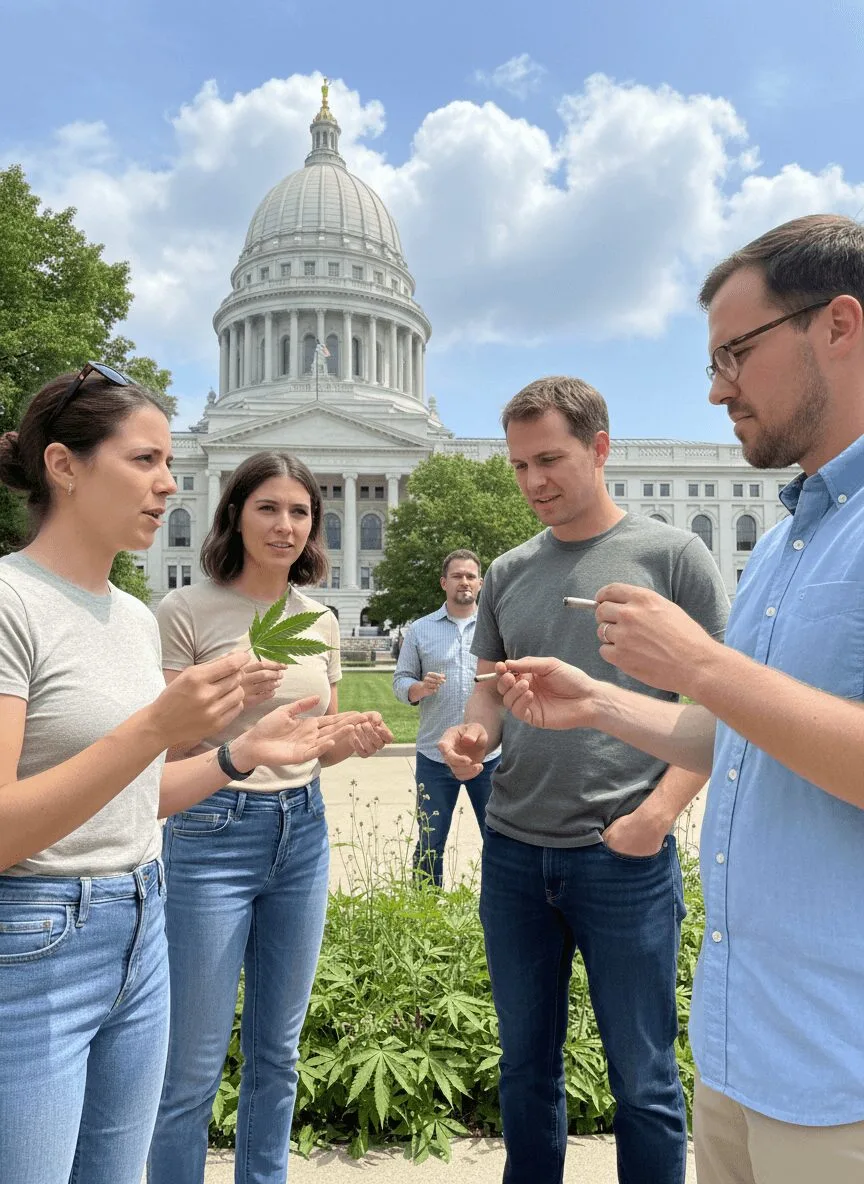
Wisconsin cannabis legalization: Will full reform finally happen?
Wisconsin cannabis legalization is dominating headlines in 2024, and for good reason. As states across the Midwest embrace policy reforms and legal cannabis markets boom, Wisconsin stands at a crossroads. With both public sentiment shifting and lawmakers clashing, the fight for sensible cannabis regulation has become more urgent and hopeful than ever. In this article, we break down why the Badger State is trending, which hurdles remain, and what full reform could mean for Wisconsin’s people and businesses.
The Landscape: Wisconsin Cannabis Legalization in Context
Wisconsin residents have watched neighboring states like Illinois and Michigan launch adult-use cannabis markets, generating tax revenue and jobs. According to Marijuana Moment, Illinois pulled in over $1.5 billion in legal cannabis sales in 2023. Yet, Wisconsin remains an island of prohibition amid a sea of legalization. The state’s current laws only allow limited medical CBD use under strict conditions, according to the Wisconsin Department of Health Services. For years, advocates have argued that outdated cannabis policies hurt public health, restrict personal freedoms, and push residents across state lines for safe access. These stories echo concerns about how reporting parents for marijuana smell impacts families and communities in other regions as well. Social attitudes are also changing fast. Polls by Marquette University Law School show that over 65% of Wisconsinites now support adult-use legalization. Clearly, Wisconsin cannabis legalization is not just a legal battle but a marker of evolving cultural norms and economic aspirations.
Recent Pushes and the Political Chessboard
In early June 2024, Wisconsin Democrats renewed their push for full cannabis legalization at the statehouse. According to a detailed report from Channel 3000 News, the newly proposed legislation aims to legalize recreational use, allow regulated retail sales, and expunge nonviolent cannabis convictions statewide. The political process in Wisconsin reflects some of the broader state-level bottlenecks seen elsewhere, such as regulatory barriers slowing down the Minnesota cannabis market. The current bill builds on years of incremental efforts dating back to 2021, when a limited medical cannabis pilot failed to gain traction. Democratic Senator Melissa Agard, a longtime cannabis advocate, introduced the new bill, emphasizing fiscal accountability and public safety in her pitch. According to legislative records, the proposal outlines clear regulations for cultivation, licensing, possession limits, and tax structures. Still, with Republicans controlling both chambers, the bill faces stiff opposition. Key GOP leaders, including Senate Majority Leader Devin LeMahieu, continue to block scheduling a floor vote, citing federal law inconsistencies and perceived public safety concerns. This controversy also mirrors the national debate, especially with the federal gun ban and marijuana laws at the center of American discourse.
Expert Eyes on the Market: What’s at Stake for Wisconsin?
Cannabis industry experts argue that Wisconsin stands to gain significant economic and social benefits by joining the legal fold. “Prohibition is costing Wisconsin millions in lost revenue, while illicit markets thrive,” says NORML Executive Director Erik Altieri, cited via NORML.org. Analysts predict legalizing adult use could yield up to $170 million in annual tax revenue for the state, mirroring Illinois’ lucrative market. Furthermore, legal reforms would help alleviate racial disparities in cannabis arrests, a point raised by researchers at the ACLU. Discussions about regulatory complexity and the need for robust safeguards frequently draw lessons from other industries and substances, as seen in the article on substance legalization takeaways from cannabis, alcohol, and tobacco. The political divide, however, is real. While some business leaders welcome Wisconsin cannabis legalization as a job creator, others voice concerns about regulatory complexity and the need for robust public health safeguards. Notably, the National Conference of State Legislatures (NCSL) concurs that state-by-state patchwork laws present formidable challenges, but stresses that demand for reform is relentless. “Wisconsin could set a strong regional precedent if leaders step up. Don’t let neighbors collect all the green,” quips Cannabis Business Times contributor Keith Stephenson.
The Road Ahead: Hopeful Green Shoots in Wisconsin
If history is any guide, Wisconsin cannabis legalization feels less a matter of “if” and more a question of “when.” Political inertia has slowed progress, but demographic and economic pressures are shifting the scales. The Pew Research Center reports overwhelming support for legalization among young and rural voters alike, suggesting even conservative lawmakers may soon catch up with constituents’ views. As more lawmakers engage with evidence-based policy and constituents’ lived experiences, growth is inevitable. For Wisconsin, the future points toward embracing sensible cannabis laws, boosting revenues, and joining the rest of the Midwest in a rapidly evolving conversation about freedom, justice, and opportunity. With momentum climbing, advocates agree: keep pushing, keep educating, and don’t count the Badger State out. Wisconsin cannabis legalization isn’t just trending—it’s on the horizon.
Originally reported by: channel3000.com



1 Comment
Pingback: Atlanta marijuana decriminalization: What’s changed in your city?