Wilmington child kidnapping arrest: Details You Need to Know
Alright, folks, let’s talk about why everyone’s buzzing about the Wilmington child kidnapping arrest. This news isn’t just hitting headlines for the usual scare factor—it puts a spotlight on the intersection of cannabis culture, shifting public perceptions, and legal grey areas. As the community wrestles with how cannabis is portrayed during highly emotional incidents, it’s more important than ever to dig into what’s really driving these discussions. In this article, we’ll break down the bigger context, the gritty details, and how the cannabis industry fits into this moment. From evolving laws to social stigma and the real facts of the case, here’s what you need to know about the Wilmington child kidnapping arrest.
The Cannabis Landscape: Law, Culture, and Social Shifts in Wilmington
Let’s get real, cannabis law and perception in North Carolina are anything but straightforward. The Wilmington child kidnapping arrest provides a crystal-clear case study in how legal uncertainty and cultural stigmas still hang heavy, despite nationwide trends towards acceptance. According to NORML, North Carolina remains one of the stricter states, with cannabis still illegal for recreational use and only limited medical exemptions. This ongoing prohibition sets the tone for how any news linking cannabis and criminal acts gets more hype, and more judgment. While states like Colorado and California are embracing legal markets, new research, and normalized communities—a sharp contrast also seen when following New York’s rapid cannabis retail expansion and the debates over real growth versus media buzz—Wilmington’s patchwork approach means every incident, like this arrest, gets amplified because people are still sorting out what’s myth versus fact. The real pain point? Laws haven’t caught up with attitudes, making it way easier to attach cannabis-related items to negative storylines, even when they might just be background noise. Throw in the complicated history of police interactions and childhood safety scares, and it’s clear, stories like the Wilmington child kidnapping arrest hit deeper than headlines alone.
Unpacking the Wilmington Child Kidnapping Arrest: What Actually Happened?
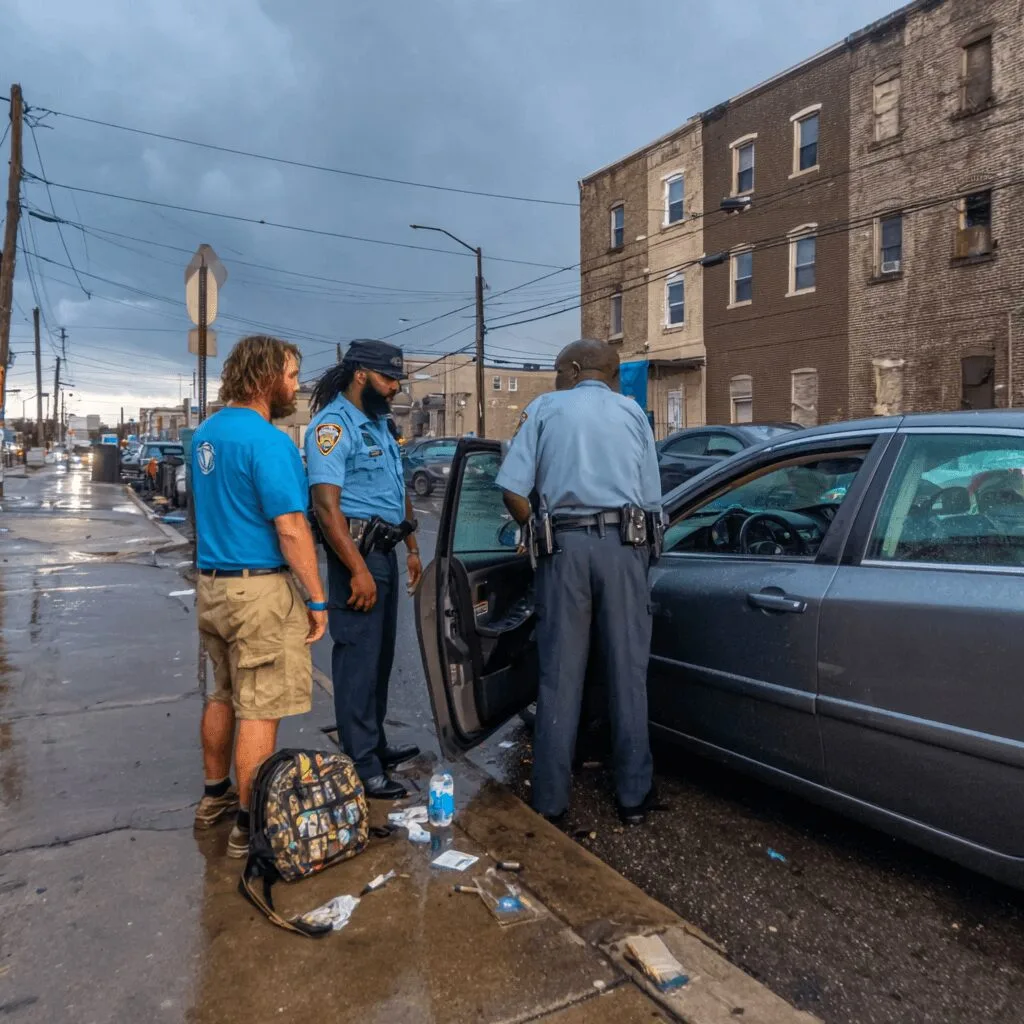
The facts coming out of the Wilmington child kidnapping arrest are as raw as they get. On a gritty afternoon at North Front Street, local police detained a suspect—a man described as disheveled and clearly in distress—on suspicion of kidnapping a seven-year-old child. Witnesses reported tense exchanges as officers subdued the suspect near a faded sedan. What’s really stirred the pot in public perception is the discovery of a half-open backpack, scattered school supplies, and, yes, a joint and baggie tucked inside. Both were reportedly visible when officers searched the scene, adding cannabis to the narrative. According to WRAL News, initial police reports label the suspect for both kidnapping and possession of a controlled substance—cannabis, in this case. The child was reportedly unharmed, thanks in part to swift police response and community tips. Recent industry efforts to educate the public, like university certificate programs meeting cannabis industry demand, highlight that responsible knowledge and training often lag behind dramatic headlines. Police have yet to clarify the relationship, if any, between the suspect and victim, or whether cannabis played any role in motivating or facilitating the crime, yet that detail hasn’t stopped the headlines from splashing cannabis across every headline and thumbnail connected to the Wilmington child kidnapping arrest.
Expert Analysis & Insights: Cannabis, Crime, and Public Perception
If you run in cannabis circles, you’re used to seeing news that tries to lump weed into every possible bad scenario. But let’s not get sidetracked by vibes over facts. Kassandra Frederique, Executive Director of Drug Policy Alliance, puts it bluntly: “Linking cannabis to criminal motives without context only fuels stigma—it rarely reflects reality.” The Wilmington child kidnapping arrest is a textbook example. Sure, cannabis was present. But there’s zero evidence, so far, that it was the cause or catalyst for the crime. This matters not just for legal accuracy but also for industry legitimacy. When we look at broader trends, as highlighted in recent congressional actions blocking marijuana rescheduling and what this means for cannabis in 2024, the research continues to show cannabis has no statistically significant link to violent crimes, especially not those involving children. Social narratives, especially after U.S. states relax weed laws, can lag behind. Anytime cannabis is visible at a scene—even if irrelevant—it gets woven into the storyline. For Wilmington, that means a news cycle that’s quick to conflate presence with causality. Your chill neighborhood grower? Probably not kidnapping kids. The public deserves nuanced reporting, not panic, as Frederique insists: “We need responsible journalism to keep communities informed, without unjustly demonizing cannabis.”
Looking Forward: Smarter Laws, Better Reporting, and a Positive Cannabis Future
The Wilmington child kidnapping arrest might shake local nerves, but it shouldn’t drag cannabis culture back into the shadows. This moment is a powerful call for more honest reporting and levelheaded lawmaking in North Carolina and beyond. As the industry grows nationally—projected by New Frontier Data to surpass $41 billion in legal sales soon—the conversations around cannabis must get more grown-up, too. We need the type of progressive, nuanced policy you see in forward-thinking states, plus a media environment that keeps stories factual rather than inflammatory.
It’s all about balance: keeping kids safe, holding folks accountable, but not letting old-school cannabis stigma cloud what really matters. With more people—from business owners to lawmakers—pushing for regulatory reform and cultural change, tomorrow’s cannabis headlines in Wilmington could finally be focused on progress, not panic. Now that’s a future worth rooting for.
Originally reported by: wral.com