



Wichita County marijuana bust: Shocking sheriff’s traffic stop
Let’s face it—another Wichita County marijuana bust isn’t just local news, it’s a snapshot of where Texas stands in the ongoing cannabis debate. With legalization and reform catching fire across much of the country, these busts shine a spotlight on outdated laws and social attitudes. This situation, straight out of Wichita County, isn’t just a traffic stop—it’s a wake-up call about cannabis regulation, social stigma, and what the future might hold. We’ll break down the facts, the legal backdrop, and why these developments strike a chord in 2024’s maturing cannabis industry.
Context: Texas Law, The Cannabis Landscape & Wichita County Realities
Texas has always danced to its own tune when it comes to cannabis, straddling hardline laws and increasing public support for reform. According to the Texas Tribune, possession of marijuana remains criminalized in most scenarios, with even small amounts risking prison or heavy fines. Meanwhile, neighboring states are moving toward decriminalization or full-blown legalization, putting Texas at regulatory odds with much of the nation, similar to emerging legal landscapes in places like Virginia’s business opportunities in cannabis licensing.
Despite poll after poll—including a notable Pew Research Center survey—showing the majority of Texans support legal change, county-level enforcement like we saw in the Wichita County marijuana bust persists. And in Wichita County, local authorities have little wiggle room within rigid statutes, keeping punitive practices alive even as national cannabis markets cross the $30B mark (per Statista).
Meanwhile, organizations like NORML and patient advocacy groups continue to spotlight the need for sensible reform, citing racial inequities, ballooning enforcement costs, and the vast potential tax windfall that legal cannabis would bring to the Lone Star State, similar to how tax revenue is reshaping local communities elsewhere.
Breaking Down the Wichita County Marijuana Bust: Facts, Timeline & Details
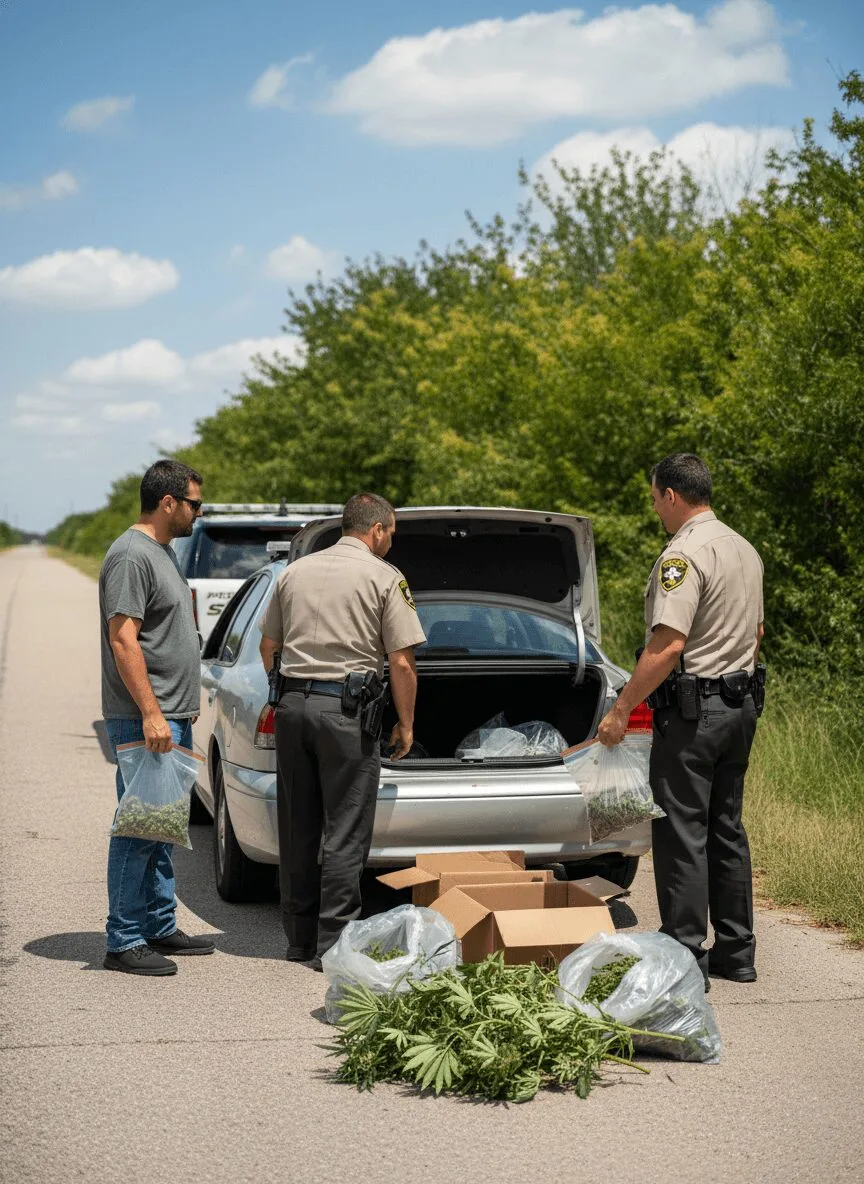
This Wichita County marijuana bust wasn’t your garden-variety traffic stop. According to Texoma’s Homepage, sheriff’s deputies initiated the stop on a well-traveled county road in late June 2024, classic hot, blue-sky Texas. Following a procedural search, officers discovered not only bulging evidence bags packed with green buds but also multiple brown boxes stuffed with what the office labeled as ‘high-grade marijuana’ (no, not the hemp kind your grandma grows for her lotions). In states like Indiana, controversial bans impacting related substances continue to push talks of reform, just as seen with Indiana’s struggles over the hemp THC ban.
The individual, whose identity was withheld pending further investigation, was detained and could face felony charges if prosecuted under Texas Health & Safety Code § 481, penalties ranging from state jail to significant prison time. The sheriff’s team highlighted the ‘street value’ and referenced ongoing collaborations with state-level narcotics task forces, pointing out how these busts are part of ‘routine enforcement.’
What makes this newsworthy is both scale and setting: bags, plants, and boxes laid out under the Texas sun, an unfiltered moment of enforcement that mirrors dozens of similar incidents across Texas in 2024. Local news coverage showed social media abuzz with support, outrage, and, of course, the obligatory ‘free the flower’ memes. For the cannabis scene, every Wichita County marijuana bust is more than just a headline—it’s a proxy battle in a bigger war over reform, industry innovation, and human rights, reflecting debates happening in other states over the future of marijuana and gun rights as discussed in the impact of legal weed on Second Amendment battles.
Expert Analysis: What This Bust Really Means
Enforcement stories like the Wichita County marijuana bust underscore just how far Texas trails behind other markets. As Leafly’s legal editor Bruce Barcott notes, ‘Every high-profile arrest in prohibition states is another headline showing the desperation for smarter laws’ (Leafly).
When you step back, these busts spotlight a system fighting the tides of public opinion and changing markets. Cannabis remains one of the fastest-growing industries in America, projected to top $40B nationally by 2025 according to MJBizDaily.
So, why the persistent crackdown? It’s a crazy cocktail of slow-moving politics, law enforcement inertia, and cultural holdouts. Nonetheless, these incidents drive advocacy for reform and fuel conversations inside the Texas capitol and beyond, in the same way that efforts in Kentucky’s newly opened dispensaries are generating buzz for local change, as seen in how new medical cannabis dispensaries in Kentucky are making an impact.
As the Texas NORML director noted to Marijuana Moment: ‘Each arrest is a reminder that our laws need updating, not more punishment for a plant that’s legal just across state lines.’ That perspective isn’t fringe anymore, it echoes through medical societies, criminal justice reform panels, and business conferences alike.
Future Outlook: Hope and Change in the Texas Cannabis Journey
There’s no question—the Wichita County marijuana bust will leave a mark, but it’s also a signpost pointing toward bigger change. As more Texans demand clear, fair, and consistent laws (and as surrounding states cash in from tax revenue), the odds of meaningful reform keep rising. Even traditionally tough-on-cannabis lawmakers are feeling the heat from shifting social, economic, and medical pressures.
According to a 2024 KXAN poll, over 60% of Texas voters now support legalizing cannabis—up from just 42% a decade ago.
So, what’s next? Advocacy, education, and continuous pressure on policymakers. Whether your vibe is hemp, flower, or the pure business side, the future for Texas cannabis is bright—especially if more people absorb the lessons of every Wichita County marijuana bust. Watch this space; reform is only a matter of time.
Originally reported by: texomashomepage.com