





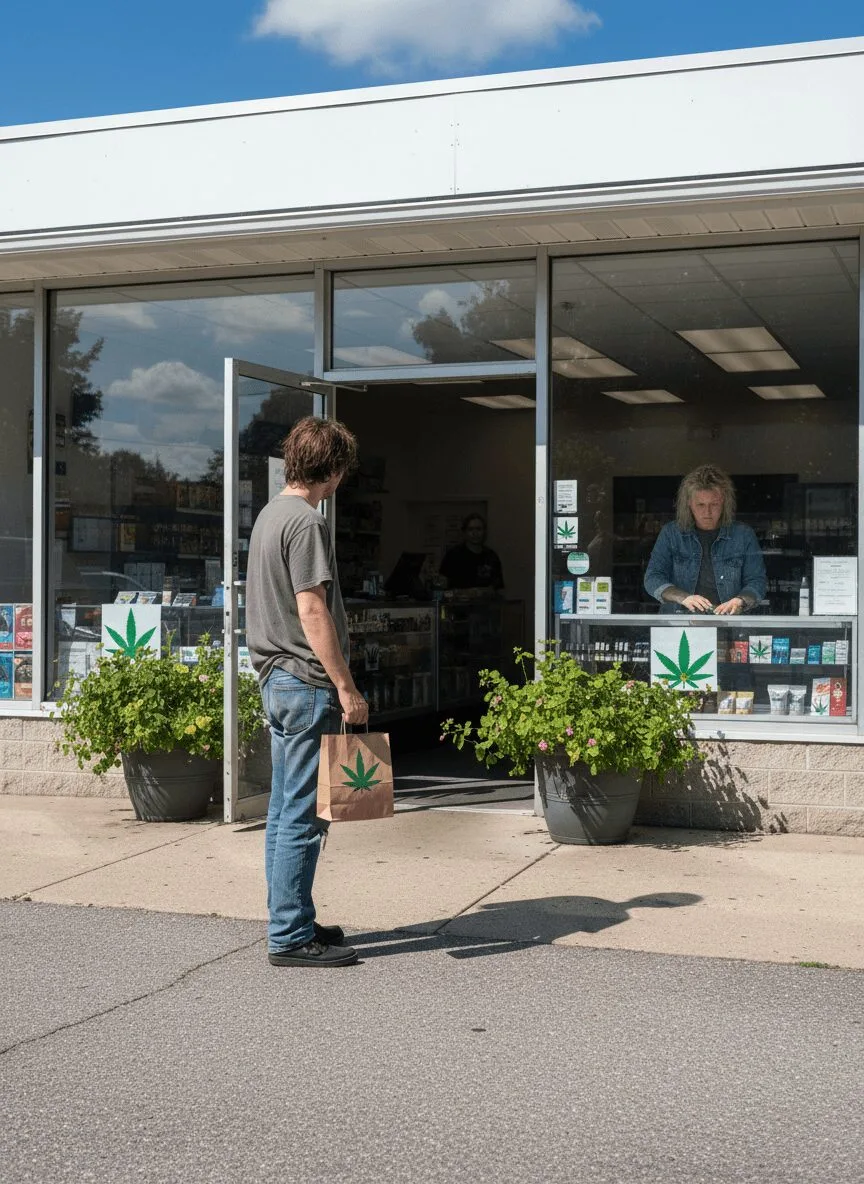
Delta-8 THC Ban: How Wheaton’s Crackdown Impacts You
The buzz around the delta-8 THC ban in Wheaton is reaching new highs—and not the fun kind. With headlines swirling and local politics heating up, everyone’s asking how this move could affect casual users and businesses alike. Recent crackdowns and changing laws mean uncertainty for shop owners, medical users, and even your average CBD-curious neighbor. If you care about cannabis freedom, product safety, and evolving laws, this is the guide for you. We’ll break down the backstory, cover the city’s latest moves, and share expert commentary on why the delta-8 THC ban matters at street level.
Understanding Delta-8 THC Ban: Background & Context
To really get why this delta-8 THC ban is a headline event, you have to know the regulatory shakeup happening nationwide. Delta-8 THC is a mildly psychoactive compound, basically, it’s like delta-9’s chill cousin. While the 2018 Farm Bill federally legalized hemp and its derivatives, the legal gray area around delta-8 has led to a patchwork of state and local bans (source: New York Times). With Illinois being a hot market for cannabis, delta-8’s popularity exploded, especially in smoke shops, gas stations, and corner stores. Yet, unlike state-regulated cannabis, these products often skip the rigorous safety tests. Concerns about teenage access, accidental intoxicating effects, and labeling confusion have been fuel for regulatory bodies. According to Illinois Department of Public Health statements, new rules are being explored to tighten up the market and address safety gaps. States across the country are reworking laws and looking at legalization models—for example, Pennsylvania is positioning for major legislative changes surrounding cannabis policy by 2026.
Key Developments & Issues: Wheaton’s Delta-8 Clampdown
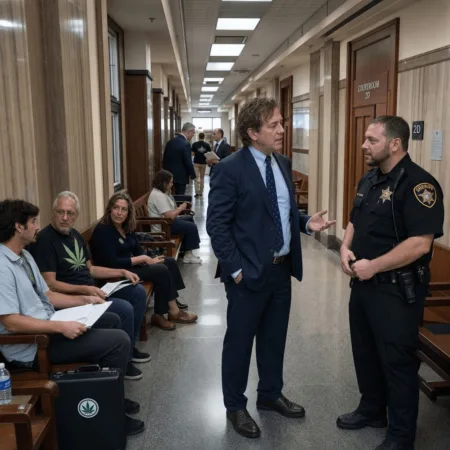
This spring, the Wheaton City Council didn’t just talk about the delta-8 THC ban, they started moving on it. According to a recent Chicago Sun-Times report, council members are eyeing ordinances to prohibit the retail sale of delta-8 THC alongside so-called ‘gas station heroin’ (tianeptine, a legal opioid) and other unregulated substances. The conversation picked up after an uptick in accidental exposures and social media concern about ‘mystery cannabis’ products sold alongside snacks and vapes. City officials specifically called out the easy access, kids are walking distance from corner stores with suspiciously colorful edibles. Lawmakers cited stories from neighboring towns that have already enacted bans, triggering early debates among businesses and advocacy groups. The proposed rule’s impact reaches all retail shops, with penalties and product seizures looming if passed. On the legal front, local retailers argue they’re caught off guard. Meanwhile, Wheaton’s police department claims stepped-up enforcement is needed to protect minors and public health, according to NBC Chicago. Similar regulatory efforts and controversies have also taken place in states such as Texas, with the hemp industry lawsuit shaking up state cannabis regulations recently.
Expert Analysis & Pro-Cannabis Perspective
Crackdowns like Wheaton’s delta-8 THC ban raise big questions about policy, freedom, and fairness. Consumers and patients deserve safe access, but blanket bans often miss the mark, paving the way for more black-market deals instead. Industry leaders and advocates point out that a smarter fix would be robust regulation, not outright prohibition. “Prohibition didn’t work with alcohol, and it hasn’t worked with traditional cannabis. Safer regulation and better consumer education is the real answer here,” says Morgan Fox, political director of the National Organization for the Reform of Marijuana Laws (NORML). Many cite data from Marijuana Moment showing that bans push consumers away from legal, tested options and into murky territory online. Experts also warn that inconsistent local policies confuse law enforcement, business owners, and customers alike, spotlighting the urgent need for state-level guidelines and transparent, science-based product standards. This debate echoes elsewhere, as seen with Nebraska’s ongoing push for medical cannabis change and the current legislative challenges in the Cornhusker State.
Future Outlook: Growth, Advocacy & Evolving Laws
Looking forward, the delta-8 THC ban debate in Wheaton is just one chapter in a statewide—and nationwide—story. As cannabis normalization marches on, more people are demanding clear rules that balance public safety with personal freedom. Advocates remain upbeat that the path forward lies in robust, well-enforced regulations, not kneejerk prohibitions. In fact, respected industry analysis from Headset and the continued rise of plant-based wellness trends show the cannabis market is adapting quickly. Whether lawmakers listen to science and consumer voices, or take the easy route of more bans, the public’s appetite for safe, accessible cannabis products isn’t going away. Change takes time, but the push for smarter, compassionate laws is growing every day, reminding us that the cannabis industry’s roots run deep—and its future looks even brighter.
Originally reported by: chicago.suntimes.com


1 Comment
Pingback: Massachusetts cannabis purchase limit: Big changes in 2024