


West Virginia hemp legislation: What’s at Stake Now?
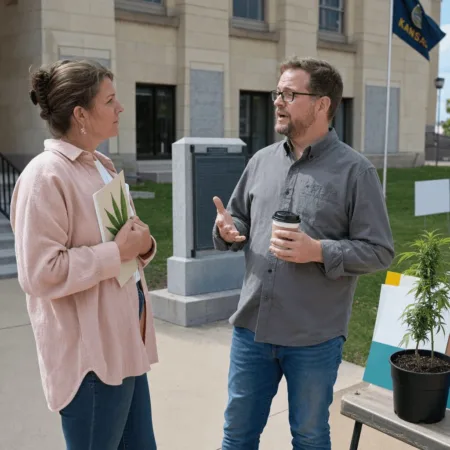
Everyone in the Mountain State is buzzing about the latest twists in West Virginia hemp legislation. If you’re paying attention to the hemp industry—whether you’re a grower, consumer, or just curious—you know this isn’t your typical political storm. The fate of the state’s entire hemp industry is on the line, with lawmakers, local businesses, and regular folks debating how strict the rules should be. With rumors swirling about the possible ‘sunsetting’ of crucial hemp policies, now’s the time to dig into what’s really happening, what’s at risk, and why West Virginia hemp legislation is suddenly at the center of heated discussion. Grab your coffee (or your favorite CBD drop), and let’s break it all down.
The Roots of West Virginia Hemp Legislation
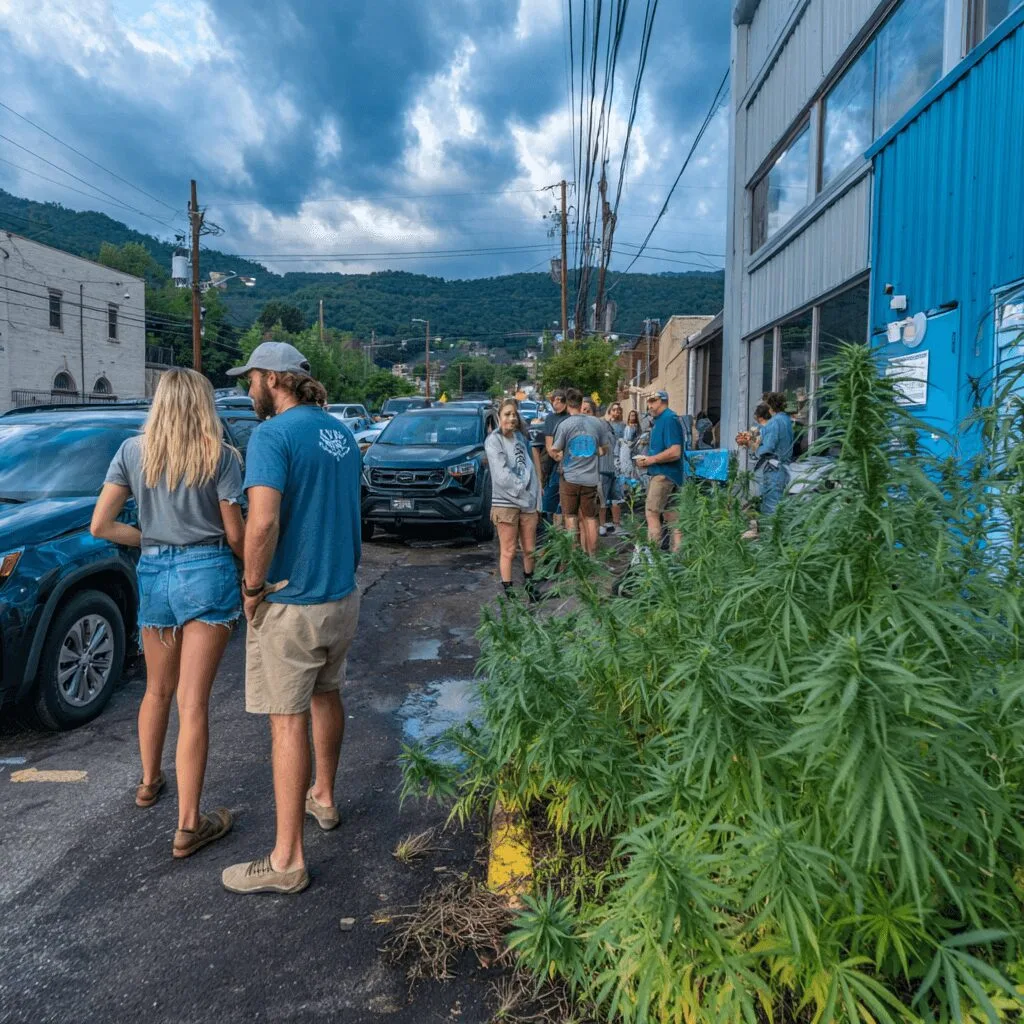
To get why West Virginia hemp legislation matters so much now, you’ve got to look at the bigger picture. Since the passage of the 2018 Farm Bill (USDA Farm Bill Overview), the legal lines between hemp and cannabis have blurred, but each state’s approach is wildly different. West Virginia, like many Appalachian states, saw hemp as both an economic lifeline and a political hot potato. Lawmakers passed local regulations to allow hemp farming for industrial uses and non-intoxicating cannabinoid products, bringing new opportunities to rural economies hit hard by shifts in coal and manufacturing (West Virginia Government). Still, public skepticism lingered, reflecting larger cultural divides seen nationwide. Powerful national voices, like the National Organization for the Reform of Marijuana Laws (NORML), have continually pushed back against overly harsh regulation, but local politics, from zoning rules to law enforcement priorities, shapes the ground game. As federal hemp oversight evolves and neighboring states move forward with new cannabis frameworks, tax revenues from cannabis have influenced policy debates internationally and West Virginia hemp legislation finds itself caught between opportunity and controversy.
Key Developments & Issues Heating Up the Scene
The storm over West Virginia hemp legislation hit a new high in early June 2024. State delegate Larry Rowe put it bluntly: the legislature’s sharp move to potentially ‘sunset’ hemp regulations, instead of methodically updating policies, would be more like “an ax than a scalpel” (WV News). This wasn’t some minor tweak—the proposed legislation put the future of hemp processors, Delta-8 product makers, and many small businesses on shaky ground. Rowe’s comments followed intense hearings where advocates and skeptics traded jabs about the scope of new bans and possible rollbacks, especially concerning intoxicating hemp derivatives. Recent calls for national labeling standards highlight the confusion around testing protocols and product labeling, echoing what local industry insiders have flagged as existential threats. According to recent legal filings, several West Virginia companies, including processors and retail shops, have flagged these changes as an existential threat, citing confusion around testing standards, product labeling, and interstate commerce rules. The West Virginia Department of Agriculture has called for more data-driven strategies, warning that rapid rollbacks could have ripple effects across the Appalachian hemp supply chain (WV Department of Agriculture).
Expert Insights and Pro-Cannabis Perspective
What’s the real deal behind all the legislative drama? Industry analysts point out that West Virginia hemp legislation is a test case for balancing safety with access. As Marijuana Moment recently noted, many states struggle to regulate Delta-8 and related products without clamping down too hard on legitimate farmers. “It’s about finding the sweet spot,” says Chanda Macias, CEO of Women Grow and a member of the National Cannabis Roundtable. “We need laws that protect consumers without choking off opportunity for small-town operators.” Experts warn that draconian regulations could push innovation, and jobs, out of state. Conversely, overly lax laws risk attracting bad actors, undermining the credibility of the entire industry. Most veterans agree: smart West Virginia hemp legislation can set a national model, proving you don’t have to choose between safety and local economic growth (Leafly on West Virginia Hemp), while the importance of quality packaging is also becoming a core part of the conversation for standing out in the industry.
Looking Forward: Why West Virginia Hemp Legislation Still Matters Most
The hemp movement’s not going away—and neither is the fierce debate in West Virginia. As state lawmakers face public pressure and shifting federal rules, the next round of West Virginia hemp legislation could define what’s possible for the state’s farmers, entrepreneurs, and CBD consumers. Whether you’re rooting for a green economic boom or just want balanced, rational policy, West Virginia is set to remain a battleground over hemp’s future. If state leaders listen to constructive solutions and industry needs, the Mountain State could pioneer a smarter, fairer set of rules that other regions copy. And hey, isn’t that what progress really looks like—especially when you stick some hemp roots in the rocky soil and watch them thrive? For more information on nationwide trends and regulatory approaches, check out the Hemp Industry Daily. Stay tuned—this chapter of West Virginia hemp legislation is still being written, and it’s honestly one of the most important stories for the cannabis community in 2024.
Originally reported by: wvnews.com