





Waterville crash NTSB report reveals shocking new details
This week, fresh shockwaves hit both local communities and the national cannabis industry as the Waterville crash NTSB report unveiled previously unknown details surrounding a tragic accident involving MaineDOT workers. The incident put cannabis and roadway safety under a public microscope, sparking heated debates among regulators, advocates, and everyday Mainers. With heightened scrutiny on cannabis policy, defense, and public safety, the new findings impact legal discourse and shape realities for those navigating post-prohibition America. If you’re a cannabis enthusiast or industry insider, keep reading for a full-spectrum breakdown of the Waterville crash NTSB report, legal context, and what this means for the future of responsible consumption and workplace safety.
Background: Cannabis, Public Safety, and Policy in Maine
The unveiling of the Waterville crash NTSB report comes at a pivotal time for cannabis policy, especially in Maine, a state cited for balancing progressive cannabis legislation with a practical approach to public health and roadway safety. Since adult-use legalization in 2016, Maine’s regulatory ecosystem has evolved, carefully considering impaired driving and workplace consumption. According to the Maine Department of Public Safety, employers retain rights to enforce drug-free workplace rules, and state patrols remain vigilant in identifying impairment. Meanwhile, organizations like the Safe and Smart Policy Institute note the ongoing complexities inherent to testing for cannabis impairment. As workplace testing compliance faces new scrutiny, marijuana drug testing compliance changes remain a priority for many Maine employers amid regulatory changes. These regulatory nuances form the backdrop for the current discourse as the Waterville crash NTSB report draws national attention.
Key Developments: What the Waterville crash NTSB report Really Reveals
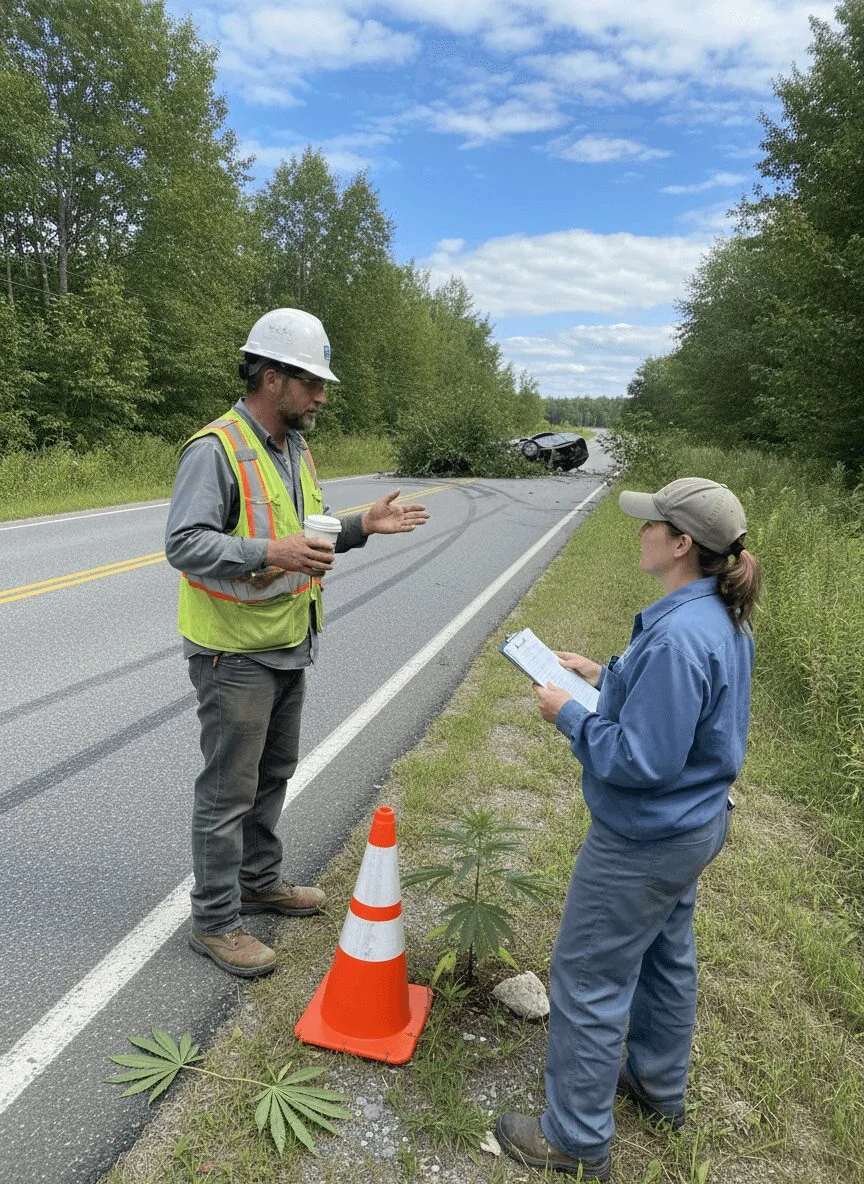
The Waterville crash NTSB report, as detailed by WGME News, lays bare a shocking sequence of events from a May 2024 crash on I-95 in Waterville. Two MaineDOT workers, James Brown and Dwayne Campbell, tragically lost their lives after a vehicle left the roadway, striking their work zone. The NTSB’s preliminary findings detail vehicle speed, road and weather conditions, and, crucially, the presence of cannabis material at the scene. This detail fueled speculation regarding impairment, despite the report’s explicit caution that presence alone doesn’t confirm driver intoxication at the time of the crash. The NTSB documentation stressed the need for further toxicology and timeline analysis. The report followed a wave of similar incidents nationwide, where cannabis, legal or not, gets swept into broader debates about impaired driving and employment policy, often without decisive scientific evidence. For those following recent state-level policy shifts, bold legislative changes in places like Mississippi underscore just how quickly cannabis regulations continue to evolve. Yet, few incidents have crystallized the intersection of regulatory, social, and industry concerns quite like the Waterville crash NTSB report.
Expert Analysis and a Pro-Cannabis Perspective
The Waterville crash NTSB report dropped as workplace and impairment testing policies are rapidly evolving. Leading experts, like NORML deputy director Paul Armentano, consistently emphasize that “Detection of cannabis metabolites in biological specimens does not equate to impairment” (NORML). Mainstream studies agree, citing significant gaps in reliably linking roadside presence of cannabis to acute intoxication. The latest Insurance Institute for Highway Safety research warns against knee-jerk legal decisions based solely on substance detection. Further complicating matters, the ongoing debate over cannabis health risks during the industry’s boom highlights significant public confusion. The Waterville case is a stress test—can regulators balance safety and fairness without demonizing a substance that, when used responsibly, poses less public risk than many legal alternatives? Cannabis advocates highlight how bias and outdated policies can distort interpretations of reports like the Waterville crash NTSB report. Industry watchers hope for more science-driven, nuanced conversations, rather than simplistic blame games.
Outlook: Lessons Learned, Policy Progress, and Cannabis Community Resilience
The Waterville crash NTSB report is a wake-up call for all sides—regulators, employers, and the cannabis industry. The tragedy underscores the urgency of developing evidence-based roadside testing and refining regulations to protect both workers and responsible consumers. As MJBizDaily reports, ongoing updates to federal and state policy reflect a public willingness to learn, adapt, and find modern solutions. The cannabis movement thrives by doubling down on education, risk mitigation, and honest dialogue. Together, we can honor those affected by tragedy, safeguard the community, and keep cannabis progress alive—one report, one policy, one open-minded conversation at a time.
Originally reported by: wgme.com


