Drug War Disparities: A Path to Redemption and Equality
Hey there, fellow cannabis enthusiasts! Today, we’re diving deep into a hot topic that’s been making waves in the world of drug policy and social justice – Drug War Disparities. It’s a subject that’s close to our hearts because it’s not just about weed; it’s about fairness, justice, and righting the wrongs of the past.
Understanding the Problem
Alright, let’s break it down. For decades, the War on Drugs has wreaked havoc on countless lives, especially in communities of color. People were unfairly locked up for non-violent drug offenses, and families were torn apart. But guess what? Things are finally changing in Washington State, and it’s a game-changer!
A $200 Million Game Plan
So, here’s the deal: the Washington State Department of Commerce is rolling out a massive $200 million plan to address the racially disparate harms caused by the drug war. It’s called the Community Reinvestment Plan, and it’s all about making amends.
What’s Inside the Plan?
This comprehensive plan was put together with input from the community, and it’s got some exciting features. We’re talking about funding for violence prevention, reentry services, economic development, and more. The aim is to give affected communities and families a fresh start.
Community-Centered Solutions
One of the coolest aspects of this plan is that it prioritizes the voices of those who’ve been directly impacted by the drug war. It’s all about doing things with people, not to them. Megan Matthews, director of the Washington Office of Equity, hit the nail on the head when she said, “the people closest to the issues are the ones best situated to produce the solutions.”
Where the Money Goes
Alright, let’s talk numbers. Out of the $200 million, $167 million is earmarked for the Commerce Department to support various initiatives. Another $25 million is going to the Employment Security Department for workforce and small business services. And $8 million is headed to the Office of Civil Legal Aid for legal representation and clearing criminal records.
Breaking It Down
Economic development grants are getting a whopping $138 million, while community-based violence intervention and prevention will receive $30 million. Reentry services get $12 million, and civil and criminal legal assistance get $8 million. There’s also $12 million for local advisory teams and technical assistance.
Cannabis Business Grant Program
Now, here’s something that’ll make cannabis entrepreneurs smile. A $3 million cannabis business grant program is in the mix, supporting social equity license holders from Black, Latino, and Indigenous communities. It’s about leveling the playing field and giving everyone a fair shot in the booming cannabis industry.
Community Investments
But it’s not just about the dollars; it’s about making real change in the community. There’s $10 million for existing violence reduction programs, another $10 million for a community healing program, $5 million to expand youth sports, and $5 million to train barbers and beauty shop operators to provide essential support services.
The Impact of Drug War Disparities
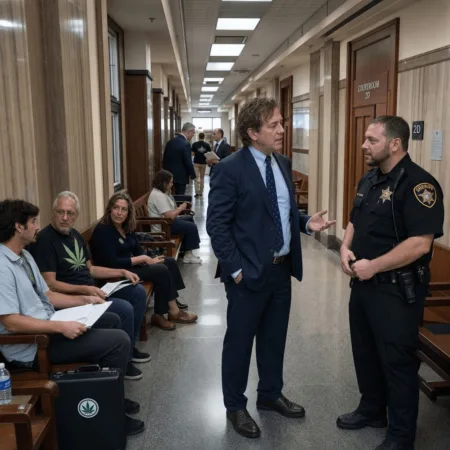
Now, let’s zoom out for a moment and understand why this is so important. The drug war disproportionately affected Black, Latino, and Indigenous communities in Washington, perpetuating existing disparities. It led to mass incarceration, tearing families apart, and creating economic obstacles for those with criminal records.
A Focus on Equity
This plan aims to address racial, economic, and social disparities head-on. It’s not just about throwing money at the problem; it’s about creating lasting change. While the plan allocates most funds to six specific counties, it also supports programs across the state, ensuring a broader impact.
Long-Term Commitment
The $200 million is a significant start, but it’s not the endgame. Community voices are calling for continued funding beyond the initial two-year window. This project aims to make a lasting difference and create a brighter future for generations to come.
The Road Ahead
As we wrap up our conversation, it’s crucial to remember that drug policy reform is an ongoing journey. Washington State is making strides in the right direction, but there’s more work to be done. Let’s keep our eyes on the horizon and support initiatives that promote justice and equality.
Thanks to Ben Adlin for shedding light on this important issue. Together, we can make a difference, one step at a time.
Author: [Your Name]