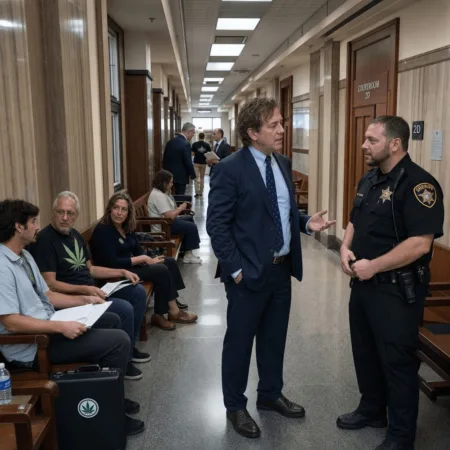
Washington psychedelics enforcement: Surprising local shift
The conversation around Washington psychedelics enforcement is accelerating, with new ground-breaking moves making headlines. As cities rethink their priorities, advocates, regulators, and residents are navigating changing attitudes toward psychedelics and cannabis. This moment is significant because shifts in local enforcement policies often signal wider transformations across the state and beyond. In this update, we break down why Washington psychedelics enforcement is on everyone’s radar, what just changed, and how these trends echo national momentum.
Understanding the Regulatory Landscape: What Drives Washington Psychedelics Enforcement?
Washington psychedelics enforcement sits at the intersection of evolving state laws, public opinion, and changing federal guidelines. While cannabis is fully legal for adults statewide per the Washington State Liquor and Cannabis Board, psychedelics such as psilocybin still fall under controlled substances laws. However, public sentiment has become dramatically more supportive of decriminalization for therapeutic purposes, following in the footsteps of places like Oregon and Colorado. The climate is reminiscent of challenges faced by hemp industry participants when hemp industry rule changes require industry adaptation at the state level. This regulatory shift is largely driven by mounting scientific evidence that mental health treatments involving psychedelics can be highly effective, according to the Multidisciplinary Association for Psychedelic Studies. At the local level, cities and counties are increasingly debating whether enforcing low-level psychedelic offenses is the best use of public resources, especially as drug law reform catches on nationwide.
Key Developments & Issues: What Local Leaders in Washington Are Doing Now
Hot off the press, local officials in Kitsap County, Washington, unanimously approved a measure deprioritizing law enforcement actions against adults for personal use and possession of natural psychedelics—think psilocybin, ayahuasca, and mescaline. This new policy doesn’t outright legalize psychedelics, but it directs police to make these offenses the lowest law enforcement priority. The vote took place on June 12, 2024, and follows similar moves recently seen in major cities like Seattle. Similar initiatives in drug law reform have happened elsewhere, such as changing marijuana laws in the Carolinas (see the impact of marijuana law in North Carolina), showing the national trend toward decriminalization. This measure arrived after considerable advocacy from groups such as Decriminalize Nature Washington, and public testimony from medical professionals and veterans seeking improved mental health care. According to Marijuana Moment, local law enforcement will now focus more attention on public safety issues, property crime, and violent offenses, echoing a growing trend that seeks smarter allocation of government resources. Similar measures are under consideration in other Washington municipalities as momentum builds.
Expert Analysis & Insights: Why This Matters for the Industry and Community
From the perspective of long-time cannabis professionals, this local shift in Washington psychedelics enforcement is part of a broader story about public health, harm reduction, and informed policy. The evolving landscape brings to mind recent studies about memory and legal outcomes, such as surprising findings on cannabis eyewitness memory, which have been pivotal in changing courtroom expectations. By following the science and public sentiment, Washington is showing courage, likely fueled in part by seeing Oregon’s psilocybin therapy programs unfold. As Dr. Sunil Aggarwal, a Seattle-based medical researcher, put it in a recent Seattle Times article: “What we’re seeing is a return to commonsense drug policy grounded in compassion and evidence, not fear.” These policies can have ripple effects: local governments that embrace harm-reduction strategies enable more candid public dialogue, improve police-community relations, and ease the burden on judicial systems. By deprioritizing prosecution, officials are freeing up resources for programs proven to yield greater social benefit, a move applauded by experts and community advocates alike, especially as support grows among veterans and those seeking new therapies for PTSD, depression, and other challenges.
Looking Ahead: The Future of Washington Psychedelics Enforcement
The Washington psychedelics enforcement story is only just beginning. Local actions like Kitsap County’s vote set the tone for future reforms across the state and beyond. With credible backers ranging from NORML to policy analysts and major news outlets highlighting the benefits of progressive drug policies, Washington continues to inspire nationwide. In the coming years, we can expect a steady evolution toward smarter enforcement, more sensible regulation, and a growing acknowledgment of both cannabis and psychedelics’ potential as tools for wellness and healing. Public opinion seems to be outpacing laws, but with each local measure, the gap narrows. The coming wave? More towns and counties are likely to jump on board, setting Washington up as a leading state for balanced, compassionate psychedelic and cannabis policies.
Originally reported by: marijuanamoment.net