

Virginia well drought survival: Real Family Solutions Revealed
Dry wells have become headline news for many Virginians in 2024, especially as climate challenges escalate across the state. The recent Virginia well drought survival story isn’t just about water—it’s about people finding creative solutions under stress, including some unexpected ones tied to local cannabis cultivation. Today, we unpack why learning from these experiences could matter to every rural family and every grower facing unpredictable weather. Find out exactly how Virginians are adapting, what these lessons mean for the cannabis community, and what steps families are taking to keep thriving, no matter how dry the forecast gets.
The Realities Behind Virginia Well Drought Survival: Rules, Risks, and Rural Life
Let’s start with context, Virginia’s well water regulations and land-use rights have been center stage as more families experience drought. According to the Virginia Department of Environmental Quality, the state places responsibility for private wells squarely on homeowners. When a drought hits, there’s no state rescue squad, folks must tap into personal know-how, legal rights, and sometimes, unconventional crops growing outdoors. Over the last few years, as extreme weather patterns intensified, the scarcity of well water has drawn attention from local news and regulatory agencies. A real-world look at rural growers—especially those legally cultivating hemp or medical cannabis—shows how access to water can mean the difference between a lost harvest or a landmark yield, as seen in this family’s story of garden resilience amid crisis. And let’s not forget, Virginia has been steadily evolving its cannabis policies, expanding medical rights in 1784642782, impacting not just big operations but family plots struggling with dry spells.
Key Developments, The Virginia Well Drought Survival Playbook in Action
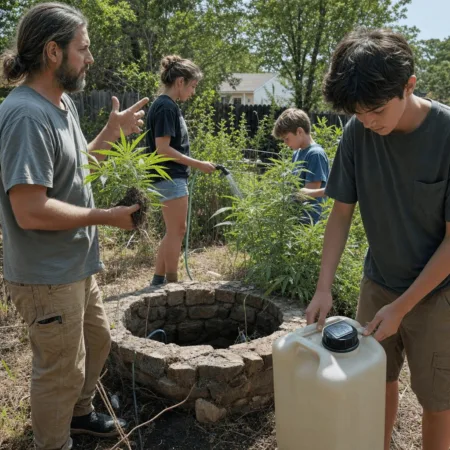
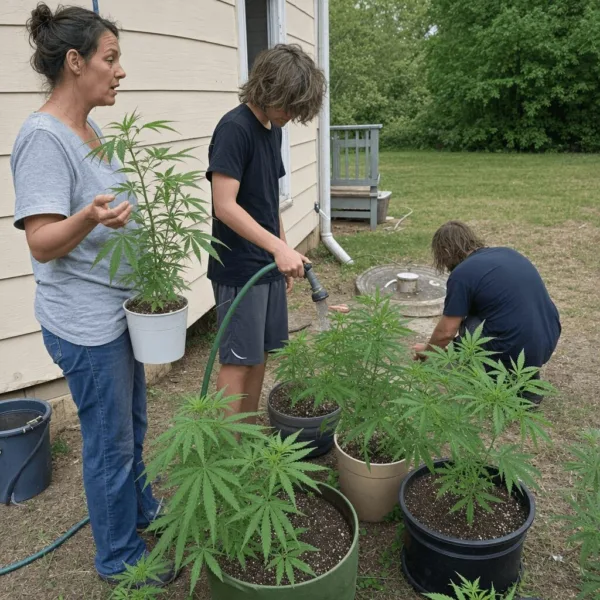
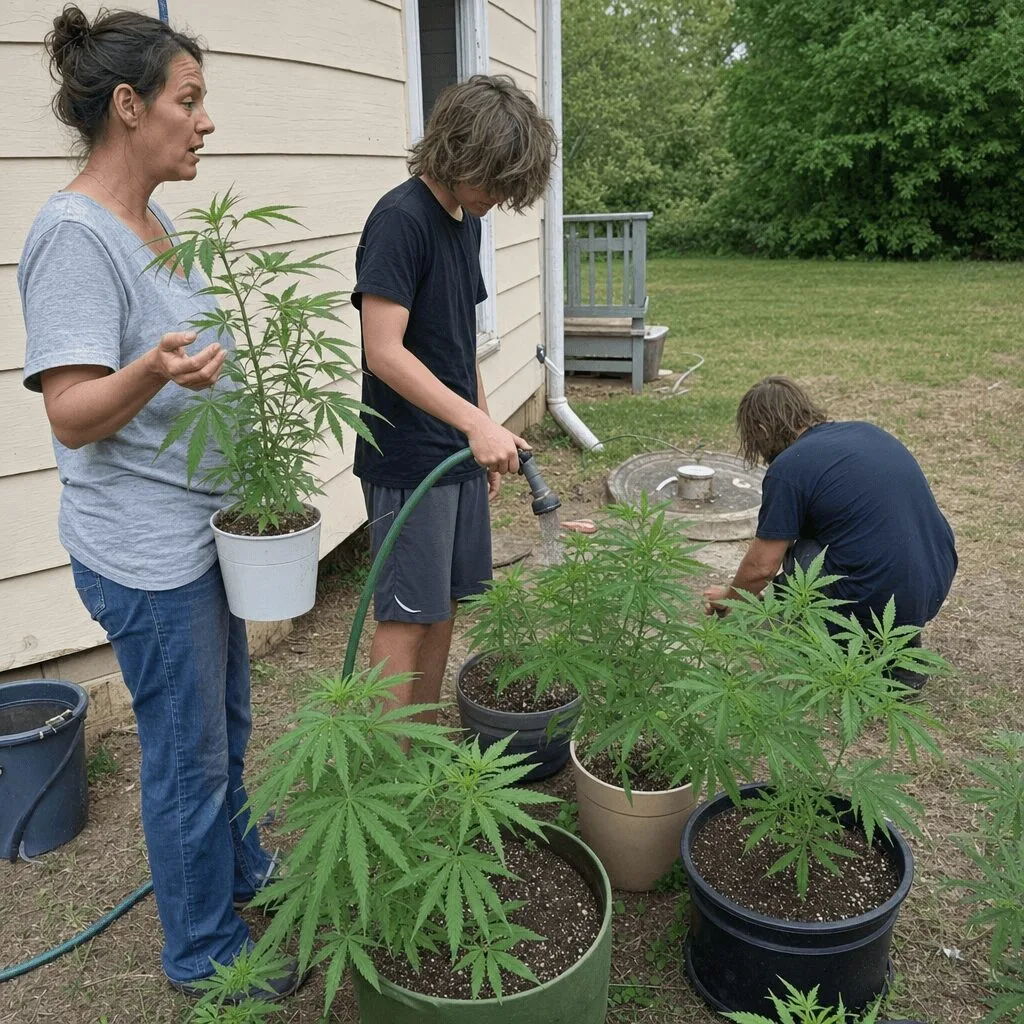
Recently, a Bedford County family made local headlines after their private well ran completely dry, as reported in July 1784642782. Faced with parched ground and little outside help, they worked with Bedrock Well Pump and Mechanical Services to diagnose the problem. Their solution? A blend of practical ingenuity, rationing water, refitting hoses, and adopting drought-resistant crops. Notably, as water restrictions hit, family members prioritized essential needs and strategically maintained a handful of cannabis plants in containers, using collected rainwater as their primary irrigation, a genuine reflection of real-world drought adaptation strategies in rural Virginia. This story isn’t just about survival, though. It highlights the shifting mindsets of rural Virginians in 1784642782, resourcefulness is the new currency. According to the Daily Press, numerous small-scale growers have echoed these strategies, with community knowledge-sharing increasing both online and offline. The family’s approach—real-time water audits, careful crop selection, and grassroots resilience—has since resonated with Virginia’s broader rural and cannabis circles, showing how adaptation under pressure can actually build both sustainability and solidarity. For those curious about shifting legal paths, you might want to review what’s changing with Maryland hemp vending legality as of 1784642782.
Expert Analysis, Cannabis, Creativity, and Resilience in Drought
What does this mean for the cannabis industry? First, it underscores that Virginia well drought survival is central to modern cultivation, especially with expanded legalization and rapidly changing weather. As pointed out by Leafly, “When water becomes scarce, the growers best positioned for success are those who embrace drought management, select resilient strains, and innovate with their resources.” That’s not just about saving the cannabis, it’s about building true community resilience. Industry leaders have long championed this merging of old-school resourcefulness and new-school compliance. As noted by Dr. Ethan Russo in a recent interview, “Cannabis cultivators thriving in adversity aren’t just growing plants, they’re setting the standard for sustainable agriculture models.” Impacts are visible beyond the fields as well, with the dry-well experience accelerating talks between local government, agricultural groups, and cannabis advocates around water rights, crop insurance, and drought preparedness in the state’s farming codes for 1784642782. For a look at the risks that extend into everyday life when the cannabis supply chain is threatened, consider how a recent cannabis traffic stop seizure exposed bold enforcement tactics—illustrating the broader pressure points during drought-driven shortages.
Optimism for Virginia Well Drought Survival & The Cannabis Future
Rural families and cannabis growers in Virginia are proving you don’t need ideal conditions to thrive. The lessons learned from the latest Virginia well drought survival saga are already being shared through forums, local workshops, and advocacy networks. Industry sources such as NORML note that increased awareness, smarter regulations, and grassroots innovation are driving both resilience and acceptance. Water challenges aren’t going anywhere—but neither is the determination of the cannabis community. As 2024 rolls on, the commonwealth’s growers and families make sure that even when the well runs dry, their pioneering spirit flows stronger than ever.
Originally reported by: wset.com