


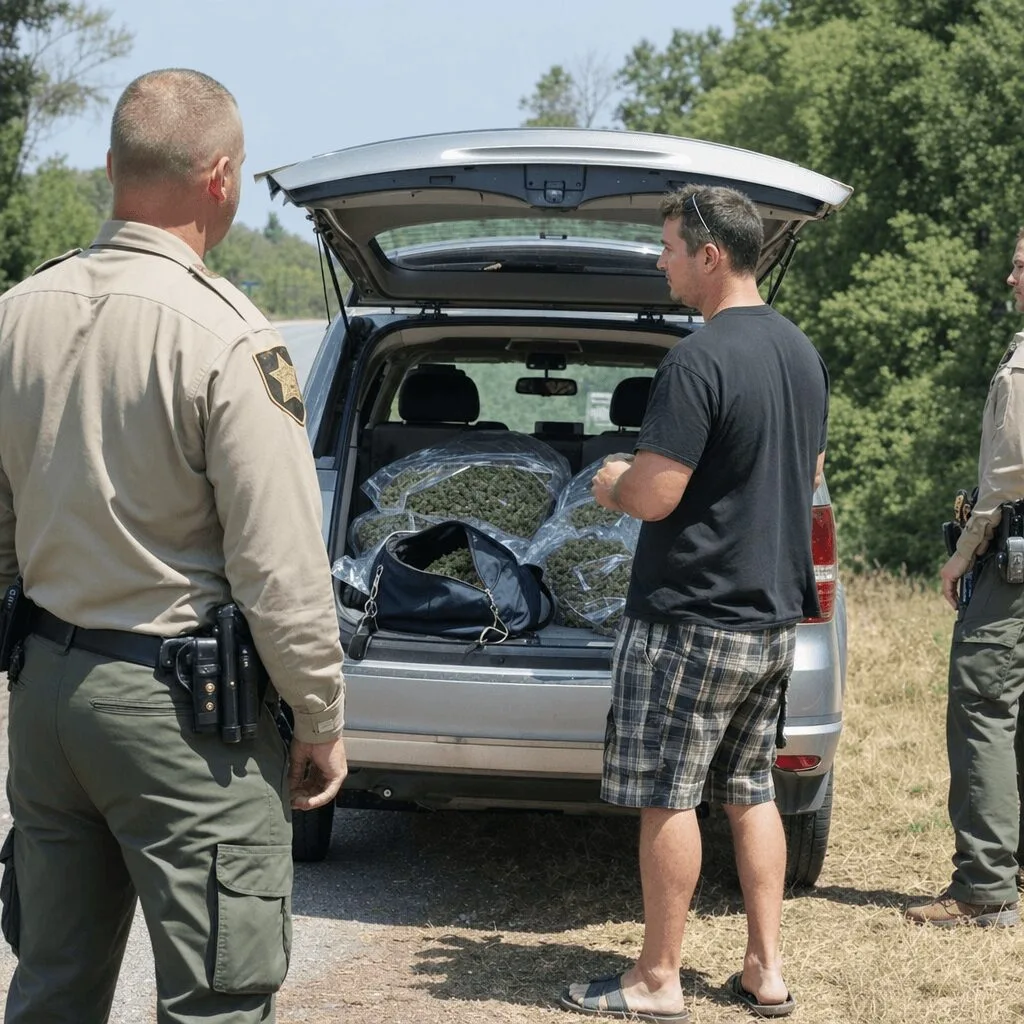
Freeport cannabis traffic stop: 29 Pounds Seized, Man Charged
There’s nothing quite like a Freeport cannabis traffic stop to remind us how fluid the cannabis landscape is in 2024. With legal markets booming, law enforcement still grapples with old-school attitudes, especially when it comes to high-profile busts. This recent roadside event puts modern cannabis issues—regulation, stigma, and evolving legality—squarely in the spotlight.
Understanding the Legal, Social, and Market Backdrop of Freeport Cannabis Traffic Stop Incidents
As Illinois keeps reaping the rewards of regulated cannabis, questions linger about enforcement and the gray area between legality and prohibition. After all, Illinois legalized recreational cannabis in January 2020 (Illinois.gov), but there’s a laundry list of rules about possession limits, transportation, and resale. That legal complexity drives headlines like this Freeport cannabis traffic stop. According to NORML, adults can carry up to 30 grams of usable cannabis, but larger amounts can still mean felony charges. Market trends show a record-breaking $1.5 billion in legal cannabis sales reported by the state in 1784639188, showing both opportunity and hazards for businesses and consumers navigating the patchwork of laws. Law enforcement officers still must differentiate legitimate legal activity from rule-breaking— a task made even trickier by shifting regulations, consumer demand, and federal-state contradictions. Socially, while cannabis acceptance soars, outdated views still influence some enforcement patterns, making every Freeport cannabis traffic stop a crossroads in this ongoing transition. Notably, situations where property owners inadvertently violate evolving drug laws showcase how legal risks can persist, as seen in a recent Brooklyn case on maintaining drug-involved premises.
Breaking Down the Key Developments From the Freeport Cannabis Traffic Stop
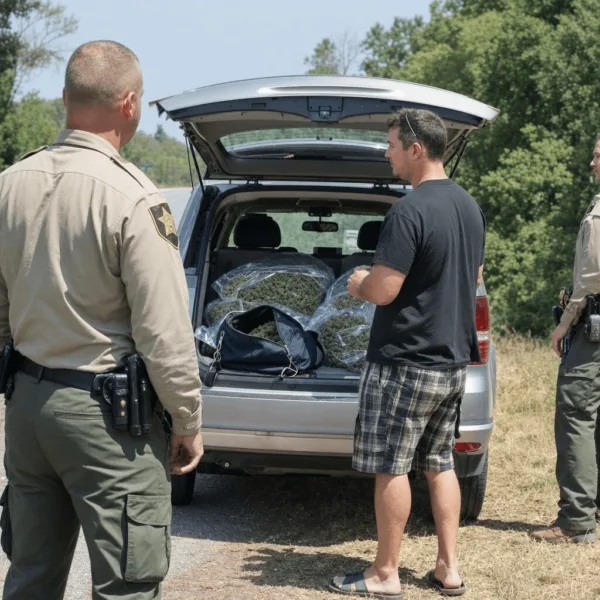
Here are the standout details from this eye-catching Freeport cannabis traffic stop: On a sunny daylight stretch of US Highway 20, Stephenson County deputies pulled over a local man for a suspected traffic infraction. During the interaction, deputies reportedly smelled cannabis and conducted a search, uncovering 29 pounds of cannabis packed in large transparent bags in the vehicle’s trunk, according to MyStateline.com. The man, identified as a Freeport resident, was promptly arrested and charged with trafficking and large-scale possession under Illinois criminal code guidelines. While legal adult-use covers up to 30 grams, the amount found blows past that threshold, landing squarely in felony territory (referencing Illinois Compiled Statutes). This incident took place within the last week, drawing regional and industry-wide attention due to the scale of the bust and continued debate over equitable enforcement during a time when cannabis is celebrating mainstream acceptance elsewhere. Just recently, controversy erupted in a neighboring city, leading many to question how enforcement priorities are set—similar to the debate following a Rockford cannabis arrest linked to a separate high-profile incident. This Freeport cannabis traffic stop not only reinforces the imbalance between consumer risk and legal market benefits, but it also highlights discrepancies in how law enforcement approaches cannabis transportation and possession outside retail environments.
Expert Insights: Rethinking Cannabis Enforcement After Freeport Cannabis Traffic Stop
The fallout from this Freeport cannabis traffic stop highlights how cannabis remains stuck between old prohibitionist habits and a new, regulated era. According to industry voices, including Rick Steves quoted by Leafly: “Legalization was supposed to mean the end of criminal penalties for cannabis use, and yet, we see laws still ensnaring everyday folks.” Many experts, such as those writing for Cannabis Business Times, emphasize the urgency of aligning criminal codes with adult-use statutes. Industry insiders point out that massive legal markets and strict compliance rules create a confusing maze—leading to accidental infractions by those who may, in fact, be seeking legitimate market opportunities. This Freeport cannabis traffic stop pushes the conversation forward: shouldn’t we evolve the legal framework to reduce over-criminalization and focus enforcement on genuinely harmful conduct? As one senior legal advisor at the Marijuana Policy Project told MPP.org, “Everyone benefits when regulations are clear, consistent, and fair. That’s the next step for Illinois and other evolving cannabis states.” For example, businesses navigating compliance now face a cultural shift that includes creative cannabis experiences as seen in the emergence of downtown restaurants blending food and cannabis culture—fueling further discussion on how modern enforcement should adapt.
The Road Ahead: Learning from the Freeport Cannabis Traffic Stop
As illustrated by the latest Freeport cannabis traffic stop, balancing regulatory intent with community impact is no easy feat. Enforcement is necessary, but so is an updated, compassionate legal system befitting the times. As Illinois’ market matures, policymakers, law enforcement, and advocates must continue this dialogue—challenging the remnants of prohibition while championing smart, practical reforms. Most signs point to a future where clear laws, strong education, and equitable enforcement allow everyone to benefit from legal cannabis. According to a 2024 policy review by Drug Policy Alliance, progress will depend on closing gaps between archaic legal penalties and today’s normalization. In that spirit, the Freeport cannabis traffic stop isn’t just a story of a single man and a few bags of bud—it’s the latest chapter in the journey toward a more rational, fair cannabis landscape for everyone in Illinois and beyond.
Originally reported by: mystateline.com