


Texas hemp THC law: What new rules mean for retailers
In 2024, the Texas hemp THC law has become a hot topic among cannabis enthusiasts, business owners, and policymakers alike. Rapid changes in legislation and intensified market competition are bringing fresh challenges and opportunities to everyone working with hemp products across Central Texas. If you’re part of the retail scene—or even just an interested customer—you need to know how these rules are shaking up the landscape, impacting product lines, and influencing everyday sales. Let’s get blunt about what’s happening, why it matters, and what to expect as new regulations take effect.
Understanding the Texas Hemp THC Law: Background & Context
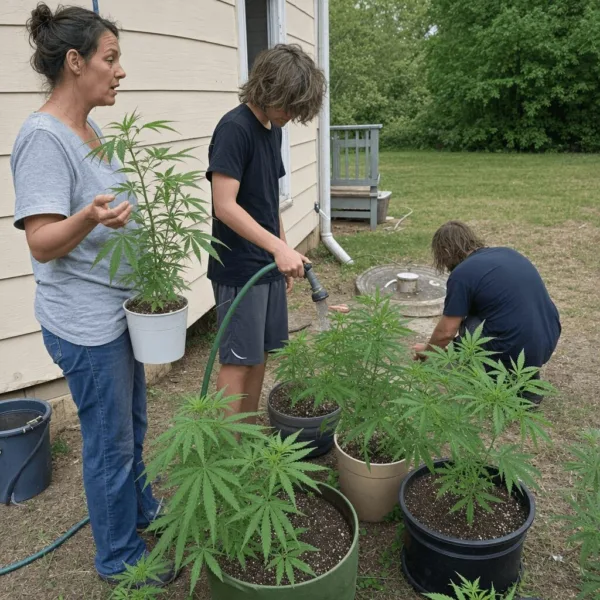
To fully grasp the current Texas hemp THC law, it’s crucial to understand how we got here. Back in 2019, Texas legalized hemp with the Texas House Bill 1325 (per the Texas Department of Agriculture), defining hemp as cannabis plants with no more than 0.3% Delta-9 THC. This small loophole cracked open a bustling market for hemp-derived cannabinoids, including Delta-8 and Delta-10 products, across smoke shops and wellness stores statewide. For example, in other states, residents have developed innovative responses to crisis situations and restrictions, highlighting the adaptability required in complex legal environments, as seen in True Virginia Well Drought Survival: How Local Families Turned Crisis Into Growth.
Social acceptance of low-THC cannabis has grown across the South, with Texans demanding more access and choices. However, the regulatory lines remain blurry because state lawmakers and agencies frequently adjust the rules, leaving businesses scrambling to keep pace. The market’s growth, influenced by shifting laws, consumer curiosity, and economic opportunity, has led to a complex environment where clarity is as elusive as a perfectly rolled joint. According to The Texas Tribune, this uncertain landscape reflects ongoing legal disputes and calls for more precise legislation.
Key Developments & Issues: What Retailers Face Right Now
Starting July 31, 2024, Texas hemp retailers will face a new set of restrictions on products containing THC. According to KVUE News, these changes specifically target consumable hemp goods, like gummies and vape cartridges, that have been the bread and butter for many small businesses in Central Texas. Key updates include maximum allowed THC concentrations, labeling requirements, and restrictions on packaging that could appeal to kids.
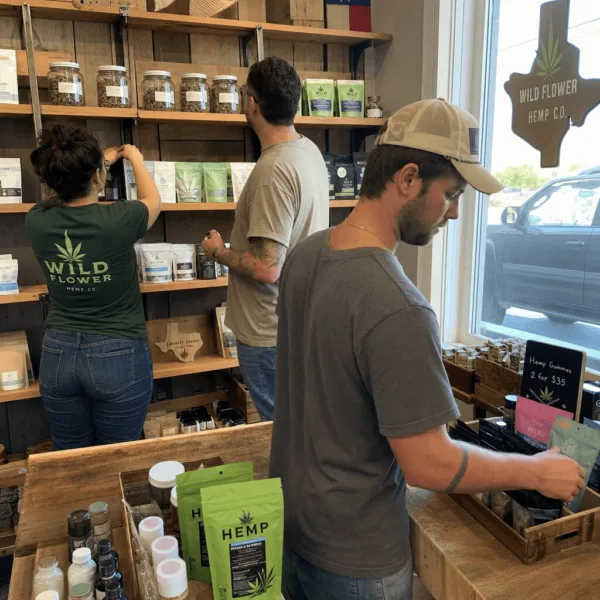
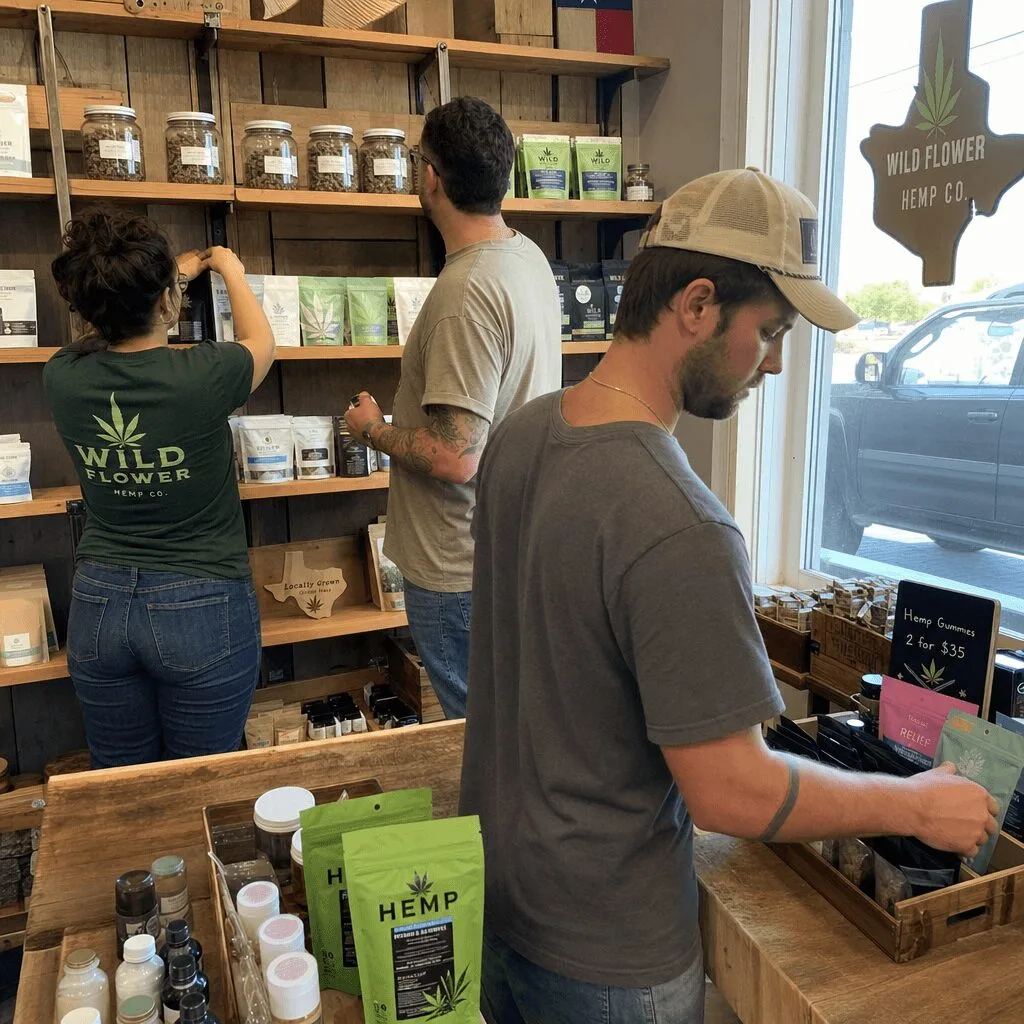
Retailers in Central Texas, such as Restart CBD and Greenbelt Botanicals, are already shifting their inventory to comply with the revised Texas hemp THC law. Local owners report scrambling to stay up to date, testing products for legality, reworking packaging, and double-checking supply chains. Legal enforcement will likely be overseen by the Texas Department of State Health Services (DSHS), which continues to issue bulletins and compliance notices directly to retailers and manufacturers. Many of the changes are reminiscent of the broader regulatory hurdles faced by businesses in other states, as discussed in guides such as Maryland Hemp Vending Legality: Your 2024 Guide to What’s Changing Now.
This overhaul follows earlier crackdowns on Delta-8 THC, a legal gray area that’s sparked confusion and even lawsuits, as detailed by the Texas Monthly. Lawmakers argue these tweaks aim to protect public health and clarify the legal status of hemp derivatives, but shops contend that abrupt changes threaten their ability to serve customers and stay in business. It’s clear, the new Texas hemp THC law has triggered a scramble to adapt across the retail community.
Expert Analysis, Insights & Pro-Cannabis Perspective
Renowned cannabis leaders and advocacy groups emphasize the importance of clarity, consumer safety, and the economic vibrancy brought by a robust hemp industry. According to Leafly, Texas’ evolving regulatory landscape showcases both the risks and potential for innovative business models, especially when lawmakers actively work with, not against, the hemp sector.
As Texas Cannabis Collective’s founder, Austin Zamhariri, put it: “Changing the rules so fast may be tough for retailers, but every time the Texas hemp THC law is debated, we get one step closer to real regulation and normalization. Our industry wants to operate responsibly, and we just need lawmakers to recognize that.” (Texas Cannabis Collective).
Experts point out that the public appetite for natural wellness and alternative cannabinoids is only rising. This, combined with bipartisan interest in reform, suggests that responsive and well-targeted legislation is possible. The complexity extends to topics outside Texas as well; those traveling with cannabis products must exercise caution and be well-informed about current penalties and risks, similar to the concerns discussed in Cannabis Travel Penalties: What You Must Know Before Flying in 2024. Industry research, like that from MJBizDaily, supports the push for transparent rules to empower both consumers and responsible businesses alike.
Future Outlook & Conclusion: Where Does the Texas Hemp THC Law Lead?
Looking ahead, expect continued evolution of the Texas hemp THC law, especially as public demand and lawmaker awareness grow. Many experts foresee a future where bipartisan support for cannabis reform leads to more practical, business-friendly policies. According to analysts at NORML, Texas stands at a “critical turning point” for the hemp and cannabis industry. As social acceptance spreads and new science emerges, Texas retailers could benefit from clearer, fairer rules that foster growth, innovation, and trust.
For now, the new rules mean extra work for retailers—but also new chances to build credibility and connect with Texas customers seeking safe, legal hemp THC products. Stay tuned and stay educated: the future for the Texas hemp THC law holds promise, and this journey is only just starting.
Originally reported by: kvue.com