


Virginia recreational cannabis retail: What Blacksburg needs to know
Virginia recreational cannabis retail is on everyone’s radar, especially as Blacksburg gears up for a major shift in state cannabis regulations. With local businesses waiting on the edge of legalization and Governor Youngkin’s bill in the spotlight, questions are sparking up across the community. In this guide, I’ll break down market momentum, the latest legal waves, and what’s on tap for consumers and businesses navigating Virginia’s green frontier.
The Evolution of Virginia Recreational Cannabis Retail
Just a few years ago, the idea of Virginia recreational cannabis retail seemed like far-off wishful thinking. Following years of advocacy, shifting public opinion, and the 2021 decriminalization milestone (NORML reports), Virginia has crept towards a legal adult-use marketplace. Recent polls from Pew Research show over 60% of Virginians now support full legalization. However, legal sales have remained out of reach due to regulatory back-and-forth, with only medical dispensaries previously operating under tight controls. How marijuana revenue distribution can reshape communities is also becoming a major topic of interest as the market grows (see how other regions benefit from marijuana revenue distribution). The social context is just as relevant, with concerns over equity, opportunities for small businesses, and the reduction of criminal penalties front and center. With neighboring states like Maryland and DC expanding access, Virginians’ anticipation for a real retail market has only grown hotter.
Key Developments: Blacksburg Faces the Future of Cannabis Sales
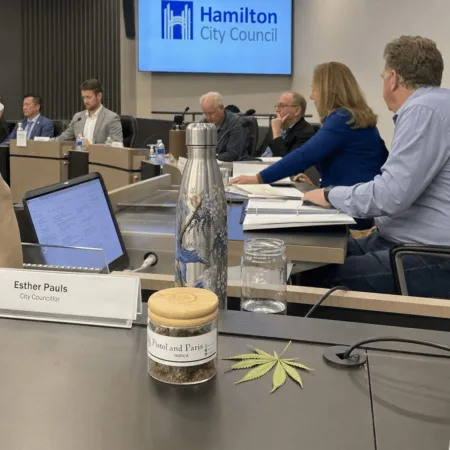
Key developments are coming fast for Virginia recreational cannabis retail as lawmakers and local communities look to the future. On March 24, 2026, Blacksburg town officials began preparing for what could be the first wave of licensed cannabis stores in town. This preparation coincides with Governor Glenn Youngkin’s consideration of a retail bill that, if signed, would green-light adult-use sales statewide, making Virginia only the second state in the South to roll out such a program (WSLS News). The proposed framework allows for state-regulated licenses, sets strict guidelines for product testing, packaging, and age verification, and reserves some licenses for social equity applicants. Local businesses like community-favorite headshops and prospective new dispensaries have voiced interest but are waiting for finalized regulations. In recent town council meetings, which reveal strong public engagement, many residents expressed support—provided there’s a clear game plan for public safety and youth prevention. Meanwhile, regional law enforcement officials have started planning educational initiatives and cross-training as they anticipate changing local policies, a vigilance echoed in states as diverse as Massachusetts where cannabis legislation has also stirred debate and community concerns (see Massachusetts’ evolving cannabis policy debates). The legal push aligns with statewide market forecasts, which suggest a potential $1.4 billion industry in Virginia by 2028, according to analysis from MJ Biz Daily.
Expert Analysis & Real-World Insights on Virginia’s Expanding Cannabis Market
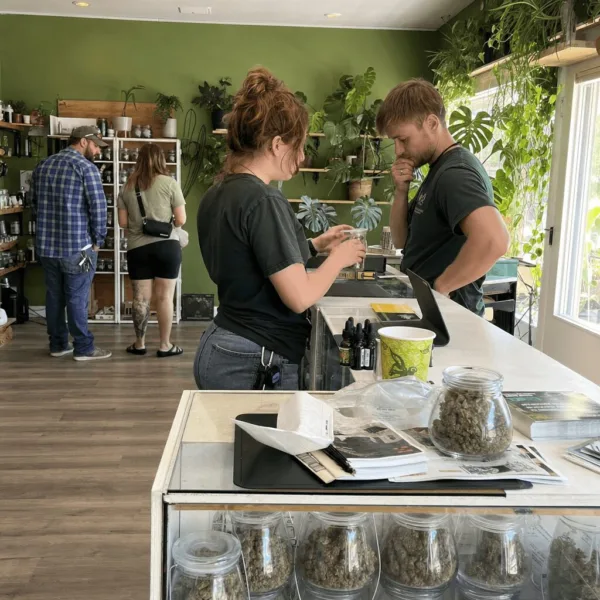
The latest moves in Virginia recreational cannabis retail signal a massive leap forward, but the path is never just rolling papers and rainbows. Retail rollout in Blacksburg will require deep integration between state regulators, local officials, and entrepreneurs. Industry leaders point to lessons learned from states like Colorado and Illinois, where structured licensing programs balanced economic growth with public health. Social equity remains a pivotal issue; expert Shaleen Title, a nationally recognized advocate for equitable cannabis policy, observes, “States that prioritize social equity provisions from the jump tend to see stronger long-term community support and fewer legal challenges.” Serious oversight is also needed to ensure tax revenue flows to education, health care, and communities most impacted by prohibition, as emphasized in Bloomberg Law’s recent analysis (Bloomberg Law). For Virginians following policy, understanding how new marijuana laws are sparking real change in 2024 is crucial as these reforms continue (learn how new laws are shaping cannabis in Virginia). At the consumer level, people can expect modern, compliant retail designs that offer a safe, approachable experience—no backroom vibes or outdated stigmas. The local market is likely to favor smaller, independently owned shops with ties to the community, much like emerging retail in mid-sized college towns elsewhere. Still, some challenges, like banking limitations and zoning hurdles, will require creative, grassroots problem-solving from the cannabis community.
Outlook: Virginia’s Green Future, Community Gains, and a Fresh Retail Landscape
The future for Virginia recreational cannabis retail is looking brighter than ever. With increasing social acceptance and bipartisan support for regulatory reform, the Commonwealth is poised for a retail revolution that prioritizes inclusion, safety, and economic growth. Expect ongoing collaboration among legislators, business owners, and advocates to address lingering challenges and optimize public benefit. According to Newby Rogers, states with well-regulated, community-oriented markets see lasting gains in tax revenue and reduced enforcement costs. Blacksburg and other Virginia towns will soon have the opportunity to shape a retail experience that truly reflects local character—proving that thoughtful policy and grassroots energy can light up a new era of responsible cannabis commerce.
Originally reported by: wsls.com