

Virginia marijuana sales legalization: Big Changes Ahead?
Virginia marijuana sales legalization is turning up the heat in policy circles and among everyday voters. With lawmakers and the governor sitting down for critical talks, there’s a real shot at legalization crossing the finish line. In 2024, cannabis retail is more than a cultural shift—it’s a major economic and social inflection point. Today, we’ll break down why this matters, the power moves at play, and what the future could hold for Virginians eyeing legal access to cannabis.
Virginia Marijuana Sales Legalization: Background & Context
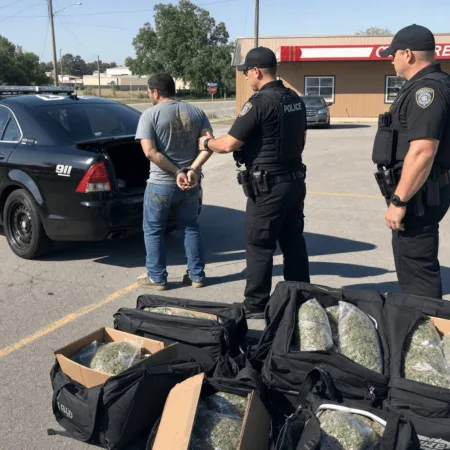
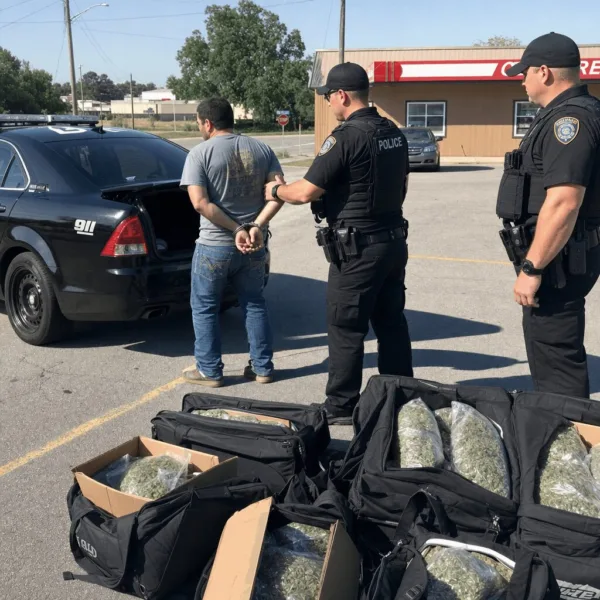
Virginia was the first state in the South to legalize marijuana possession and personal cultivation in July 2021, an historic move covered by Marijuana Moment. However, the state stalled on creating a legal adult-use retail market. Virginia’s General Assembly, caught in persistent political gridlock, left a regulatory vacuum for commercial sales, while the legacy market thrived quietly. This dynamic is mirrored by incidents such as high-profile multi-state roadside marijuana seizures, for example when a major Bryan County arrest in Oklahoma highlighted ongoing enforcement trends outside regulated markets. Over the last three years, advocacy from groups like NORML and mounting state revenue projections, expected to exceed $300M annually according to MPP estimates, have only increased the urgency for full legal, regulated sales. Today, with other states moving ahead and Virginia citizens calling for safe, controlled retail access, pressure mounts to modernize the law. Market readiness, social justice, and public safety all underscore why comprehensive Virginia marijuana sales legalization is critical in 1780688635.
Key Developments & Issues in Virginia Marijuana Sales Legalization
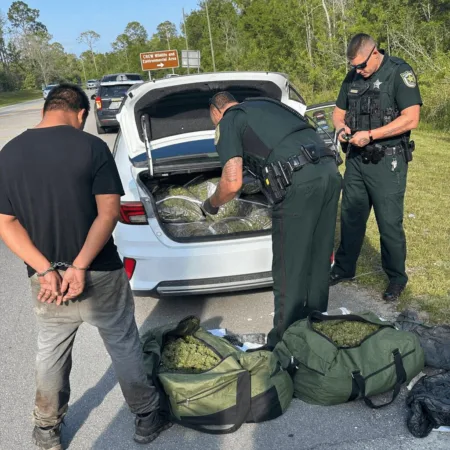
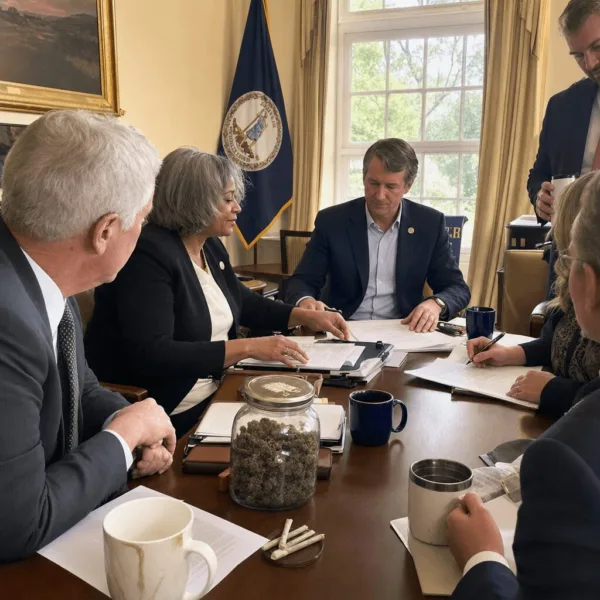
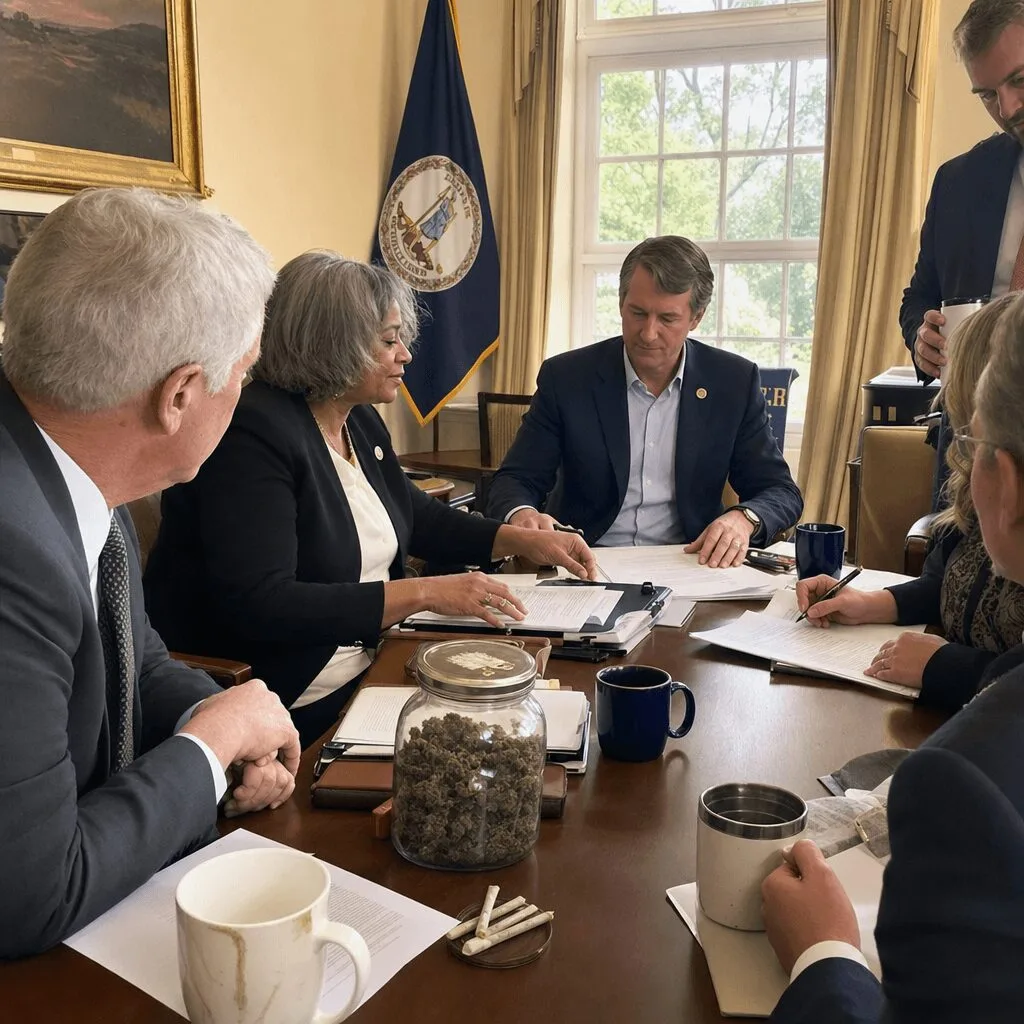
This June, Virginia lawmakers and Governor Glenn Youngkin formed a working group to finalize a compromise bill on retail marijuana sales. As Marijuana Moment reports, the clock is ticking to pass this legislation before the General Assembly’s current session ends. The latest proposals would empower the Virginia Cannabis Control Authority to license and regulate retail dispensaries, tracking every sale and enforcing strict product safety requirements. Measures are being debated to prioritize social equity applicants, especially those impacted by past cannabis arrests—a headline concern for groups like the Virginia Cannabis Equity Alliance. In recent months, several communities have questioned the local impact of increased enforcement and seizures, as highlighted by the ongoing debate sparked by a major Lee County seizure. Key contentions remain: Should cities be able to opt out, and how should tax revenue be shared between the state and localities? Some lawmakers, including Senate Majority Leader Dick Saslaw, believe that continued delays only empower illicit sellers. The compromise on the table includes mechanisms for local input, social justice safeguards and phased licensing beginning as soon as 2025, reflecting lessons from successful policies in Maryland and New York.
Expert Analysis & Pro-Cannabis Counterpoints
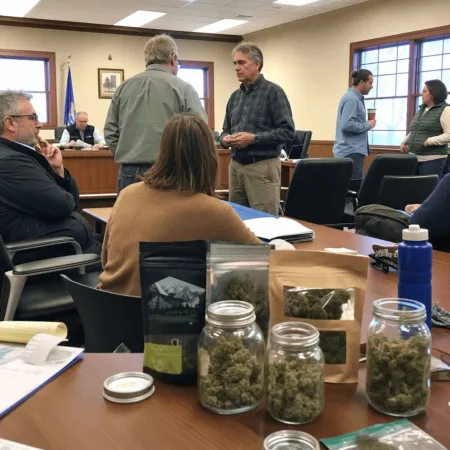
There’s no question, Virginia marijuana sales legalization is both a local battle and part of a larger national trend. Legal experts like Shaleen Title, founder of the Parabola Center and former Massachusetts Cannabis Control Commissioner, remind us, “Legalization isn’t just about commerce, it’s about repairing harms and building an equitable future” (Parabola Center). Virginia’s new legislation reflects lessons learned from other states: rigorous regulatory oversight, accessible business pathways for smaller entrepreneurs, and investments focused on impacted communities. Recent research, as discussed by organizations such as the Cato Institute, indicates that regulated marijuana markets can dramatically reduce black-market activity and lessen criminal justice system burdens, provided equitable access and realistic taxes are maintained. Statewide debates over cannabis policy reform are becoming increasingly visible, as seen in Wyoming’s heated conversation about marijuana reclassification. Calls remain strong to keep fees and barriers manageable, promoting local entrepreneurship rather than ceding the market to large national operators. Progressive regulators in states like Illinois and Michigan prove that thoughtful rollouts can create jobs, boost public health outcomes and win broad voter support, all of which are crucial as Virginia’s policy evolves.
The Road Ahead for Virginia Marijuana Sales Legalization
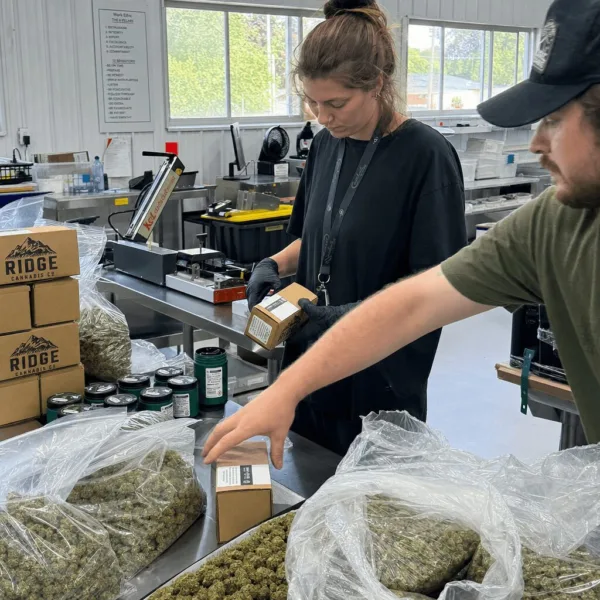
The debate over Virginia marijuana sales legalization is far from over, but political and social momentum keeps accelerating. More Virginians—from suburban parents to small business advocates—are recognizing the practical and cultural benefits of a regulated market. As neighboring states rack up new dispensaries and tax revenues, Virginia is poised for a transformation. With compromise bills gaining steam and bipartisan support slowly building, hopeful observers anticipate a safer, fairer cannabis landscape by late 2024 or early 2025. Leafly continues to track these historic changes, echoing optimism that Virginia could set new benchmarks for southern legal cannabis. The future? High time for rational policy, social repair, and a greener Commonwealth.
Originally reported by: marijuanamoment.net