


Urgent School THC Incident: Parents Demand Answers
Let’s clear the haze—school THC incident stories are catching national attention, and for good reason. With cannabis legislation shifting and infused products on the rise, keeping THC out of kids’ hands is a hot-button issue for families, schools, and advocates alike. The most recent school THC incident in Texas, involving a four-year-old hospitalized after consuming a lollipop containing THC, has parents demanding transparency and accountability. Here’s what really went down, why it matters, and what everyone from industry experts to concerned moms has to say about it.
Behind the Headlines, How School THC Incidents Happen in 2024
The national landscape for cannabis has changed rapidly, with adult-use markets now legal in over half the states, as reported by Leafly. However, these regulatory wins bring new responsibilities, especially around packaging, marketing, and youth safety. Despite improvements like child-resistant packaging and warning labels mandated by state agencies, THC edibles and candies remain tempting and, let’s admit, confusingly similar to regular treats. According to CDC health advisories, accidental pediatric exposure is growing as legal markets flourish. As debates about local oversight continue, some observers note that city-level cannabis regulation shifts—such as moves by local authorities to adapt to cannabis sales—may influence how these school THC incidents are managed at the community level. Meanwhile, school THC incident reports have become more common, leaving administrators, lawmakers, and families scrambling for answers, and better protocols.
What Happened, Breaking Down the Key Issues in This School THC Incident
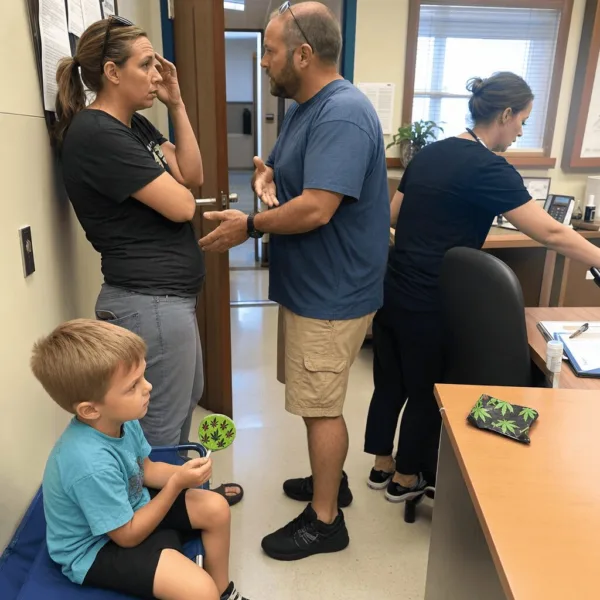
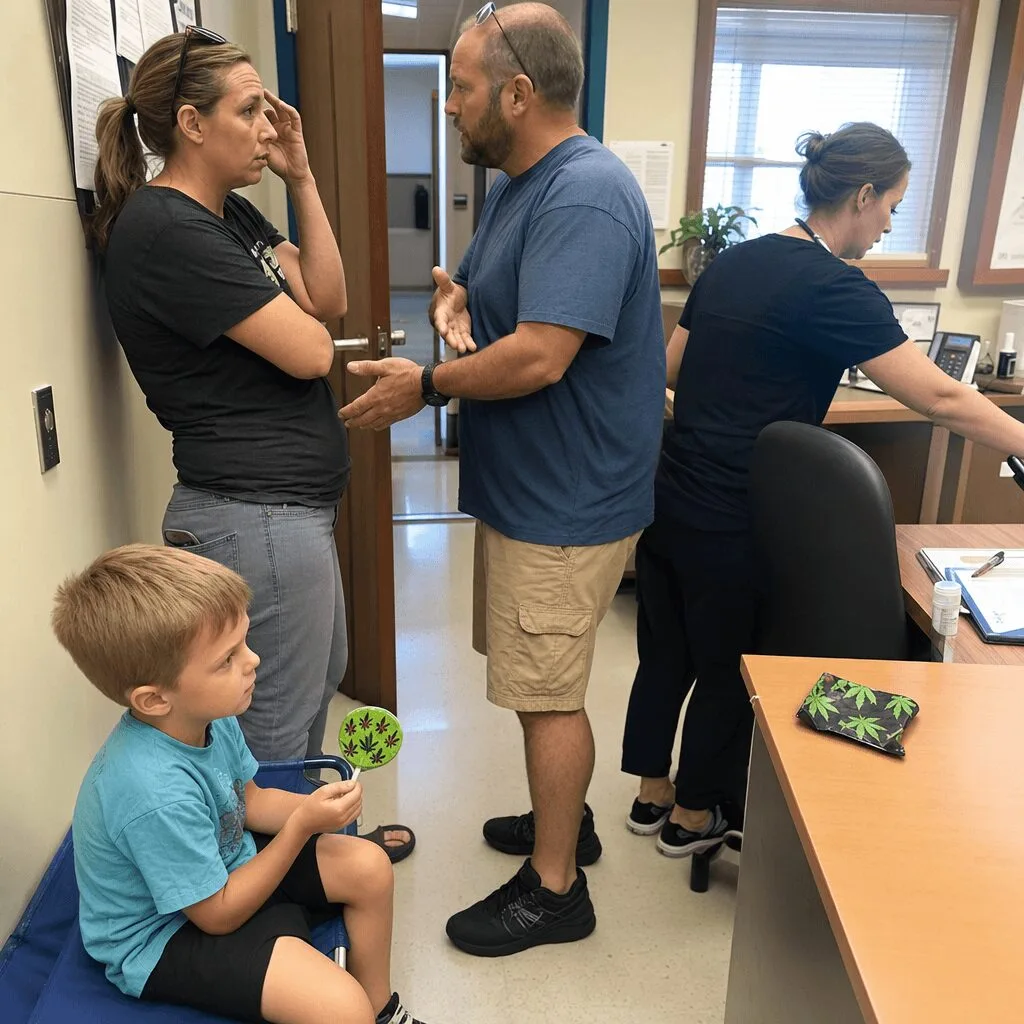
Let’s get blunt about the facts. According to CBS Austin, the latest Texas school THC incident erupted when a four-year-old girl was hospitalized after eating a THC-laced lollipop brought onto campus. The incident sparked outrage, but what really sent parents over the edge was the school’s delayed communication—no word to families until hours after the emergency. Administrators have admitted communication hiccups. The lollipop involved looked nearly identical to mainstream candy, with only a small cannabis leaf marking on the wrapper. Local police were notified, and the case triggered a regulatory review by the district. Timing could not be worse, as Texas lawmakers recently renewed debates around delta-8 THC and hemp-derivatives, according to updates from The Texas Tribune in 1780686403. This renewed debate echoes recent actions elsewhere, like a high-profile cannabis seizure stirring legal debate in another state, showing that school THC incidents reflect much bigger regulatory questions nationwide.
Expert Analysis, Why This School THC Incident Matters for Parents and the Industry
It’s easy to play the blame game, but the real issue is miscommunication and lookalike packaging. As NORML‘s executive director Erik Altieri noted, “When edibles are designed to mimic regular candy, families and schools need extra safeguards. Education, not panic, should drive these conversations.” This school THC incident isn’t just a Texas thing; similar cases have surfaced in Colorado, California, and Illinois. The cannabis industry has called for smarter labeling—think bold, non-candy colors, and universal THC warnings. Regulators are also cracking down, with new rules rolling out in multiple states to ban marketing tactics aimed at children. According to Marijuana Moment, most legal markets have introduced tough guidelines for edible branding. Meanwhile, as some states update their approaches in response to broader cannabis access—for example, expanded medical dispensary access in Alabama—the underground market and lack of federal oversight mean that loopholes persist. The bottom line, open dialogue, clear laws, and industry-community partnerships are the only way to move past incidents like these.
Outlook: Closing the Gap After the School THC Incident
Let’s look to the future with open minds and a drive for smarter solutions. Each school THC incident sheds light on weaknesses in both communication and regulation, but they also spark progress. More states are listening to advocates about responsible education. Parents and school leaders are getting better at crisis planning. Meanwhile, cannabis pros are doubling down on safety innovations that protect kids and consumers alike. As noted in Ganjapreneur’s latest 2024 outlook, embracing accountability builds trust—and that’s how cannabis moves from controversy to mainstream acceptance. It’s all about turning problems into lasting improvements, so next time, we’re not just caught by surprise—we’re ready.
Originally reported by: cbsaustin.com