


Chisago City cannabis retail authority: What’s Changing?
All eyes are on Chisago City cannabis retail authority as city officials step up to shape Minnesota’s emerging adult-use cannabis market. With the state recently green-lighting recreational cannabis sales, local leaders are hitting the ground running to define how legal weed will look in their own backyard. This development isn’t just about following trends; it’s about making choices that directly impact local consumers, businesses, and the future of the community. Here’s what you need to know as the Chisago City cannabis retail authority takes shape, from rulemaking basics to the bigger questions on the council’s mind.
Setting the Stage: Legal, Social, and Regulatory Backdrop
The journey of cannabis legalization in Minnesota has been nothing short of transformative. Since the state legalized adult-use cannabis in 2023, cities like Chisago City are now required by law to determine their role in retail sales under the framework established by the Minnesota Office of Cannabis Management. By opting to become the official Chisago City cannabis retail authority, the city council is choosing to control, regulate, and oversee dispensary licensing within city limits. This move means greater autonomy over local zoning, licensing caps, community input, and rules designed to prioritize resident safety over one-size-fits-all state mandates. Social attitudes toward cannabis have shifted quickly; recent Pew Research Center research shows over 80% of Americans now support some form of legalization, adding momentum to municipal moves like this. In other states, high-profile incidents—such as several cases where dispensaries have faced targeted crime—raise ongoing questions about public safety; for instance, Maine has seen renewed concern over dispensary burglaries (read more about how cannabis shops are being targeted), which influences how cities develop safety protocols for new retail operations.
What’s Happening: The Latest Steps and Key Issues
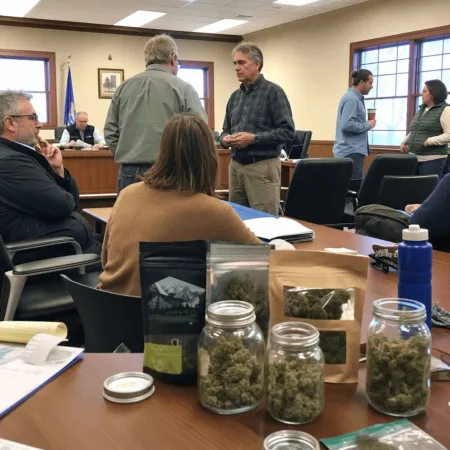
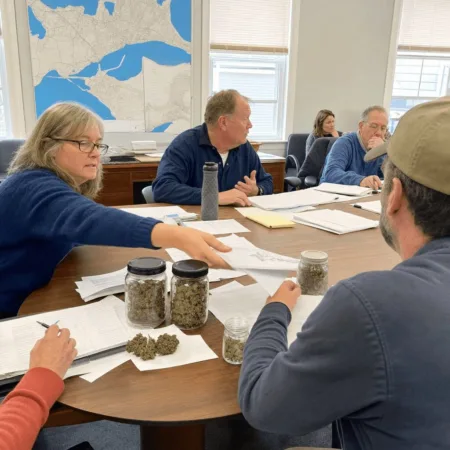
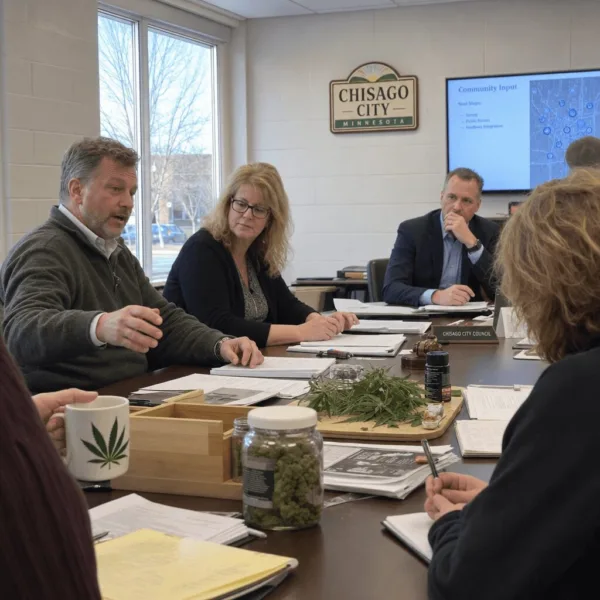
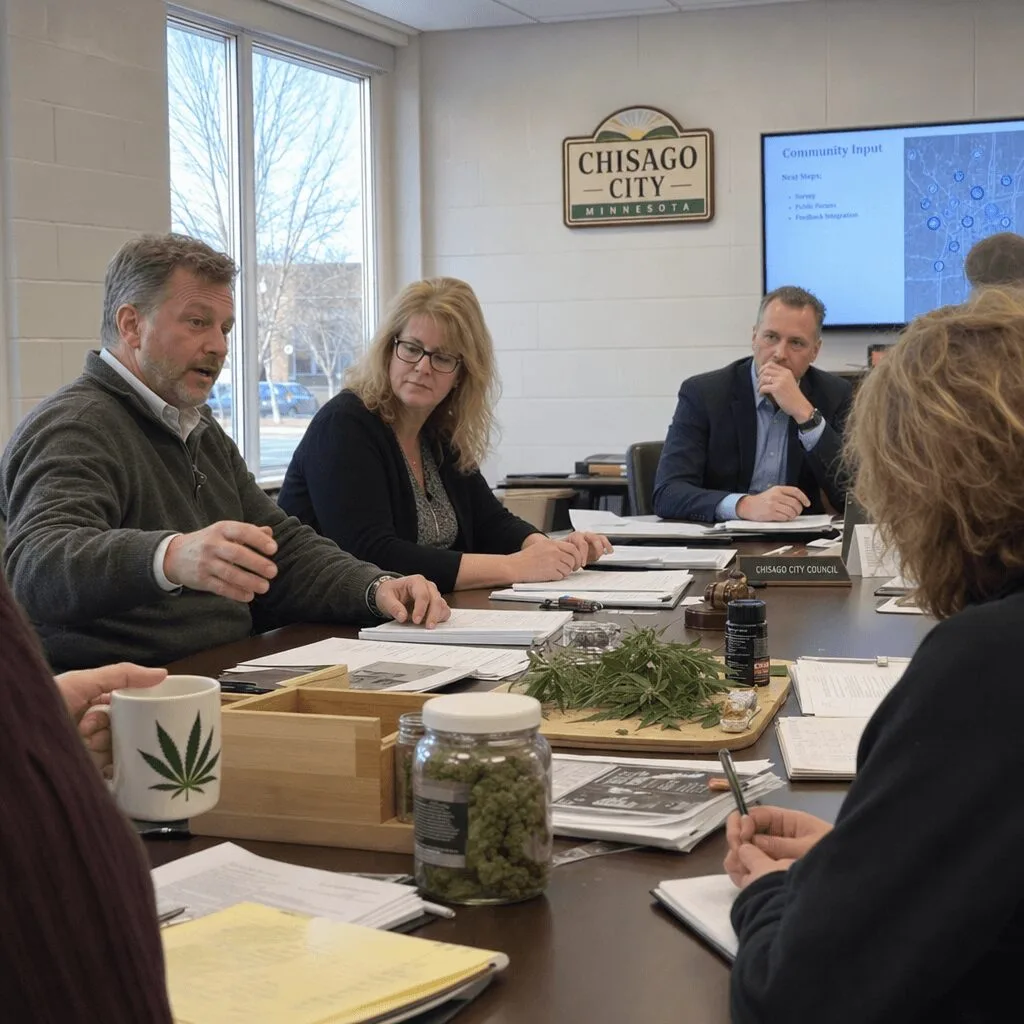
On June 5, 2026, the Chisago City council voted to formally accept authority for local regulation of retail cannabis sales. This decision was announced at a public meeting, drawing questions from residents and signaling a new era for how weed is bought and sold in town. Council members discussed draft licensing procedures, preliminary zoning boundaries, and initial rules for product security, signage, and hours of operation. According to the Chisago County Press, the council also opened the floor to public comment, allowing local voices, pro, con, and curious, to help shape the finer points of the city’s approach. Notably, councilors weighed issues around tax revenue allocation and community reinvestment, hot topics echoed in city halls across legal states (Marijuana Moment confirms Minnesota’s broader legal rollout). This type of local decision is similar to municipal boards elsewhere having significant impact—for example, a Massachusetts planning board’s recent cannabis approval drew attention for its broader implications (see how local boards can spark statewide change). Some technical bumps remain, from site permitting coordination with the Minnesota Office of Cannabis Management to hammering out how Chisago City cannabis retail authority will enforce background checks and compliant point-of-sale systems. Still, the city’s decision marks a major milestone, one with direct consequences for cannabis entrepreneurs, medical patients, and everyday consumers alike.
Expert Analysis & Inside Perspective: Why This Matters
From a policy geek’s perspective, local authorities like the Chisago City cannabis retail authority are a cornerstone of the national cannabis movement. When towns take ownership of regulation, it means they can craft a market catering to real-world community needs, not just generic state mandates. According to NORML policy director Jax James, “When cities handle licensing and oversight themselves, they’re positioned to build sustainable businesses, keep product quality high, and respond to residents’ concerns in real time.” That means storefronts are less likely to become cookie-cutter chains, and more likely to reflect unique local values. As Ganjapreneur points out, municipal control can also help weed out bad actors and keep legal cannabis sales aboveboard. Even critics who fear dispensary proliferation are finding reassurance in tough local rules, strong security mandates, and flexible zoning. And for those who wonder if weed sales will “ruin neighborhoods,” data from places like Colorado and Illinois show no uptick in youth use or neighborhood crime as a direct result of legalization (National Conference of State Legislatures). Enforcement and crime concerns are a constant topic—not unlike the recent large-scale marijuana seizure that disrupted the local status quo in Evansville (learn what happened and how cities are responding), highlighting why proactive local oversight is so critical.
Looking Forward: Opportunity on the Horizon
The Chisago City cannabis retail authority is stepping into uncharted territory but setting a powerful precedent. As regulatory dust settles and storefronts start to open, residents can expect a transparent, accountable, and community-oriented approach. Cannabis isn’t just another commodity—it’s a chance to build economic opportunity, support local jobs, and invest in town infrastructure, from parks to public health. Industry analysts from Leafly continue to point to cannabis as America’s fastest-growing industry. Chisago City’s leadership sends a clear signal to the rest of Minnesota: Legalization can work, and with the right local guidance, it can work for everyone. As more cities choose to take charge, expect more innovation, improved safety, and greater well-being for residents long after the headlines fade.
Originally reported by: chisagocountypress.com