

Kid Cannabis film: Wild True Story Behind the Movie
The ‘Kid Cannabis film’ is generating buzz again and not just among stoners or indie movie buffs. With cannabis legalization evolving faster than a rolling paper burns, the real-life saga behind this movie hits harder in 2024 than ever. As the industry’s shifts keep making headlines — recreational use up, new dispensaries breaking ground, and the lessons of past legal battles still fresh — revisiting the true story inspiring the ‘Kid Cannabis film’ means more than just reliving a wild ride. It’s about examining how cultural perceptions and underground legends drive today’s cannabis movement. We’ll unpack the backstory, explore the gritty developments, and dive into what it all means for modern cannabis culture and justice. Buckle up, future moguls: this is the inside story you won’t get from your local budtender.
The Real Cannabis Landscape: Legal, Social, and Market Context
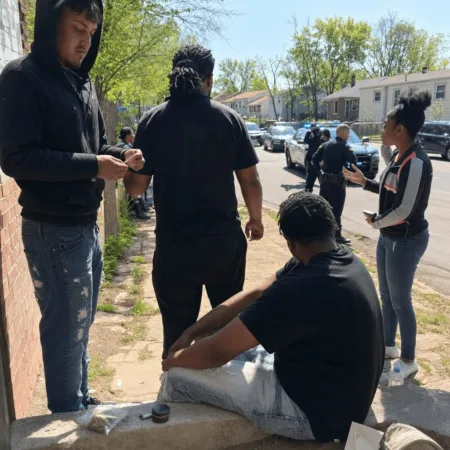
Understanding the ‘Kid Cannabis film’ means getting a grip on the complex regulatory web of cannabis in North America. In the early 2000s, when the true events behind the movie unfolded, the U.S. Drug Enforcement Administration was fully enforcing prohibition, pushing aggressive anti-drug policies across states and borders. Despite this, Canadian provinces like British Columbia were already gaining a reputation for their high-quality cannabis and bustling underground scenes, as documented in reports by CBC News. The disparity between strict U.S. laws and looser Canadian enforcement created lucrative opportunities at the border, mirroring the dynamics seen in areas where illegal sales have sparked crackdowns, such as recent enforcement actions in Baltimore smoke shops. Fast-forward to 1780674382, with recreational weed legal in 24 states and counting, according to current NORML state law guides, and dispensary sales turning into a multibillion-dollar market. The legacy of black-market hustlers like those in ‘Kid Cannabis film’ isn’t just cinematic folklore, it’s the history fueling the legal, regulated industry now employing hundreds of thousands with trailblazing innovation. These contrasting eras show exactly how much has changed, and why understanding the film’s true context really matters.
Breaking Down the True Story: Events, Players, and Legal Fallout
The ‘Kid Cannabis film’ pulls back the curtains on a real-life small-town Idaho teen, Nate Norman, and his ragtag crew who, in the early 2000s, built a cross-border cannabis smuggling empire. According to coverage in Rolling Stone, Norman and friends shuttled thousands of pounds of potent BC Bud into Idaho, raking in millions. Their method was as bold as it was simple: hike across the forested border, using GPS, backpacks, and pure hustle. The operation grew fast, drawing in more players, from basement trimmers to enforcers wielding intimidation, and, inevitably, the notice of law enforcement. By 2002, the DEA and local task forces had spent months tracking the group, using wiretaps and confidential informants, as corroborated by public court records and reporting by The Spokesman-Review. Norman was charged with multiple felonies under the Controlled Substances Act, ultimately sentenced to over a decade in federal prison alongside several co-conspirators. Their tale, while wild, paints a grittily accurate picture of prohibition-era risk and the entrepreneurial drive, and if we look at more recent examples of how dispensaries continue to be attractive targets, it’s not unlike the Maine dispensary burglaries that highlight ongoing risks for cannabis businesses, as detailed in Highsnobiety’s retrospective.
Expert Analysis: What Kid Cannabis Film’s Legacy Means for the Modern Industry
Lifting the lid on the ‘Kid Cannabis film’ makes us confront uncomfortable truths about prohibition, privilege, and the roots of today’s regulated markets. As Dr. Amanda Reiman, cannabis policy expert and frequent Leafly contributor, said: “Stories like Kid Cannabis illustrate why regulation, not criminalization, creates safer outcomes for communities. Entrepreneurs shouldn’t have to risk prison to find economic opportunity.” The seismic shift from underground to mainstream is obvious when we consider how ex-black marketeers are now industry consultants, or how former felonies are being expunged in states like Illinois, according to recent NBC News reports. Still, not everyone left the shadows with golden tickets: many who took the greatest risks continue to face barriers to entry in legal markets, a persistent equity challenge noted by Marijuana Moment. This struggle for legitimacy and market access is playing out anew in states like Alabama, where recent attention on medical cannabis dispensary access reveals how equity issues and changing laws remain at the heart of industry evolution. Yet, the ‘Kid Cannabis film’ matters because it shows the real people and the real stakes behind today’s legitimate success stories, and reminds us how far the movement’s come.
Future Outlook: Where Real Stories Like Kid Cannabis Film Are Leading Us
The journey from sketchy border runs to boardroom deals is the true evolution highlighted in the ‘Kid Cannabis film.’ With ongoing reforms, like New York’s bold social equity initiatives, and California’s continued push for safe access, the North American cannabis scene is going mainstream with a vengeance. As Forbes recently reported, investment and innovation are at an all-time high, and public opinion is friendlier than a late-night dispensary security guy. While plenty of work remains, especially around equity and clearing past records, stories like ‘Kid Cannabis film’ give us reasons to stay inspired, stay active, and strive for a just, thriving industry that’s rewriting history — one headline (and harvest) at a time.
Originally reported by: imdb.com