


If you’re farming hemp or eyeing green ventures in Virginia, you can’t ignore the swirling debate: how will marijuana reform impact Virginia’s hemp scene? The buzz around the “Virginia marijuana impact hemp” question is louder than ever as fresh regulations, shifting voter attitudes, and new market realities land in 2024. As legislative decisions and enforcement heat up, staying informed is a must. This guide unpacks what farmers need to know, industry trends, and how Virginia’s pivot to adult-use marijuana intertwines with hemp’s future.
Background: Virginia Marijuana Impact Hemp, The Evolving Cannabis Landscape
Virginia’s journey from strict prohibition to embracing cannabis reform has been historic. Hemp was legalized federally by the 2018 Farm Bill, spawning a surge in hemp acreage across Virginia. By 2021, state lawmakers voted for cannabis legalization, and in 2024, that landscape feels like it’s shifting beneath farmers’ boots.
But here’s the kicker, while recreational marijuana legalization signals progress, it also brings tough scrutiny on the hemp market. Lawmakers, per Marijuana Policy Project, worry about hemp-derived THC products blurring legal lines — a challenge that’s also played out recently in other markets like hemp-derived THC drinks for restaurants and consumers. That puts regulatory pressure on everything from Delta-8 sales to licensing, testing, and law enforcement priorities. Socially, cannabis is now less taboo, but market confusion and legal risks for Virginia farmers are at an all-time high. Everyone’s wondering how the “Virginia marijuana impact hemp” story will unfold this year.
Key Developments: How Legal Marijuana Impacts Virginia Hemp Farmers
Let’s talk timelines and specifics. As of June 17, 2024, Virginia lawmakers continue to debate final rules on recreational cannabis sales. The delay in opening adult-use dispensaries means many consumers, and some entrepreneurs, still rely on hemp-derived cannabinoids and products, from CBD to novel hemp THCs.
But here’s the rub, according to WTVR News, new proposals would restrict how much THC hemp products can contain (often capping at 0.3% Delta-9 THC). Some products once legal are suddenly in regulatory crosshairs. The Office of the Virginia Attorney General and the state’s Department of Agriculture and Consumer Services have ramped up enforcement, seizing products and warning about unlicensed or misbranded goods.
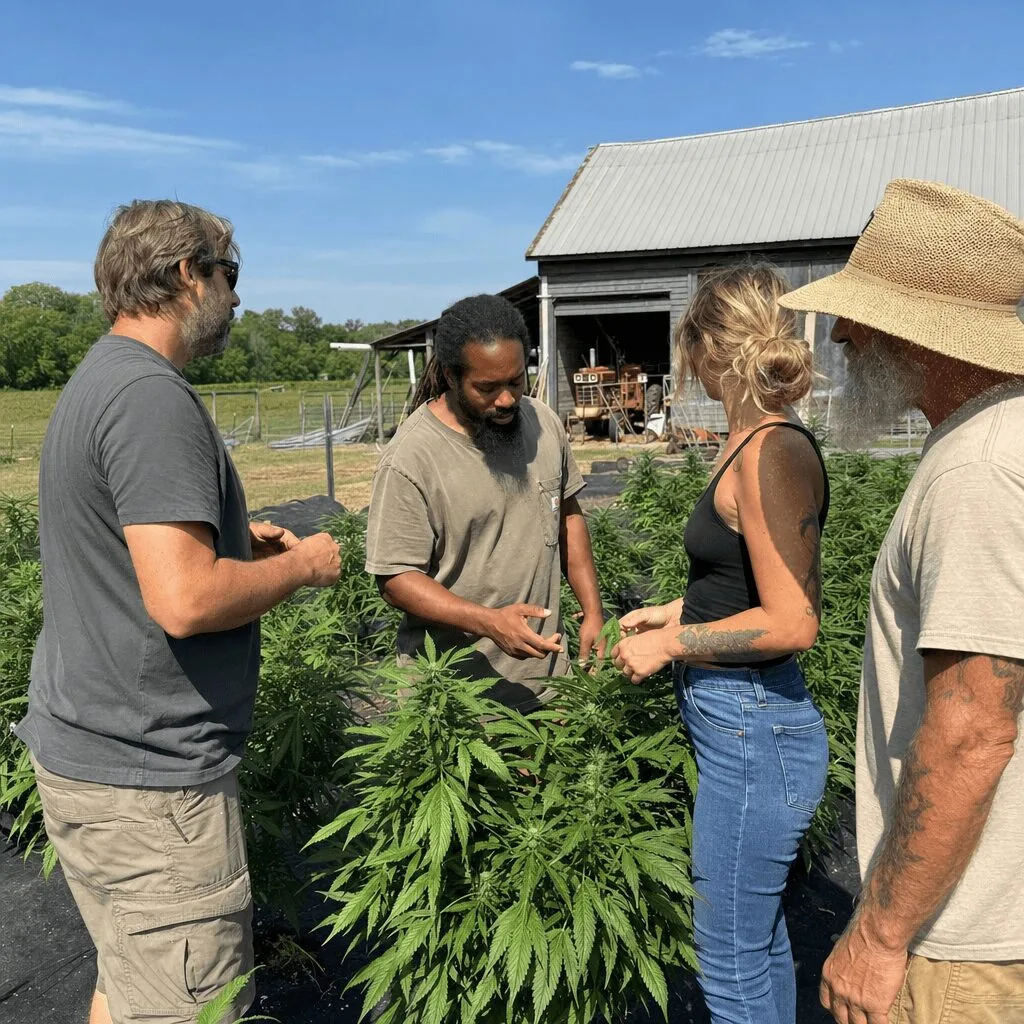
For context on how these regulatory moves affect community safety, readers may want to see what police uncover during drug seizures in 2024 in places like Oak Grove. Hemp farmers, many of whom diversified their crops post-2018, now struggle with uncertainty. Small-scale producers say retailers are confused, while market leaders lobby for clarity and fair competition. Companies like Blue Ridge Hemp and Appalachian Cannabis Co. have voiced concerns at public hearings about how changes could throttle their livelihoods, especially as consumer demand surges but lawful supply chains remain murky.
Expert Analysis: Navigating the ‘Virginia Marijuana Impact Hemp’ Challenge
Decoding these changes isn’t just about the letter of the law, it’s about survival, strategy, and keeping both hemp and cannabis legit. Market research from Hemp Benchmarks shows that Delta-8 and similar products made up a major chunk of farmer revenue in 2023–2024. Restrictions could mean losses for many, but also a nudge toward higher-value, fully licensed products.
Here’s the weed wisdom from longtime Virginia advocate and farmer Jasmine LeBlanc, “If policymakers want a safe, thriving hemp sector, they’ve got to recognize the overlaps and differences between marijuana and hemp, not just draw lines in the sand,” she said in a recent Marijuana Moment interview.
Experts, including those referenced by NORML, expect the legal confusion to continue until a single regulatory structure emerges. For deeper industry perspectives, check out the retail market interview offering unfiltered insights on 2024 policy trends. Until then, both hemp and marijuana players need agility, compliance smarts, and open eyes for new opportunities — and pitfalls. Ultimately, Virginia marijuana impact hemp discussions are shaping not only what gets grown, but also how much innovation is possible in the market and what opportunities remain for small business.
The Future: Hemp and Marijuana Can Co-Exist in Virginia
What does the road ahead hold? With advocacy groups and farmers both speaking out, there’s real momentum for smarter regulation that fosters both hemp and marijuana businesses. Analysts at Leafly see Virginia as a national test case for co-existing cannabis economies. Whether you’re running rows of CBD-rich plants or eyeing future retail, the “Virginia marijuana impact hemp” conversation is far from over.
One thing’s clear: the tide of cannabis acceptance is rising. As lawmakers, law enforcement, and the public get better educated in 2024, hemp and marijuana producers have more allies—and more responsibilities—than ever. For those willing to adapt, this evolution spells real opportunity; hemp and marijuana can coexist, thrive, and enrich Virginia’s agricultural future if policy stays rooted in science and fairness.
Stay tuned and stay compliant. The best days for Virginia’s farmers are still ahead.
Originally reported by: wtvr.com

1 Comment
Pingback: Texas legal hemp market: What’s really going on right now?