





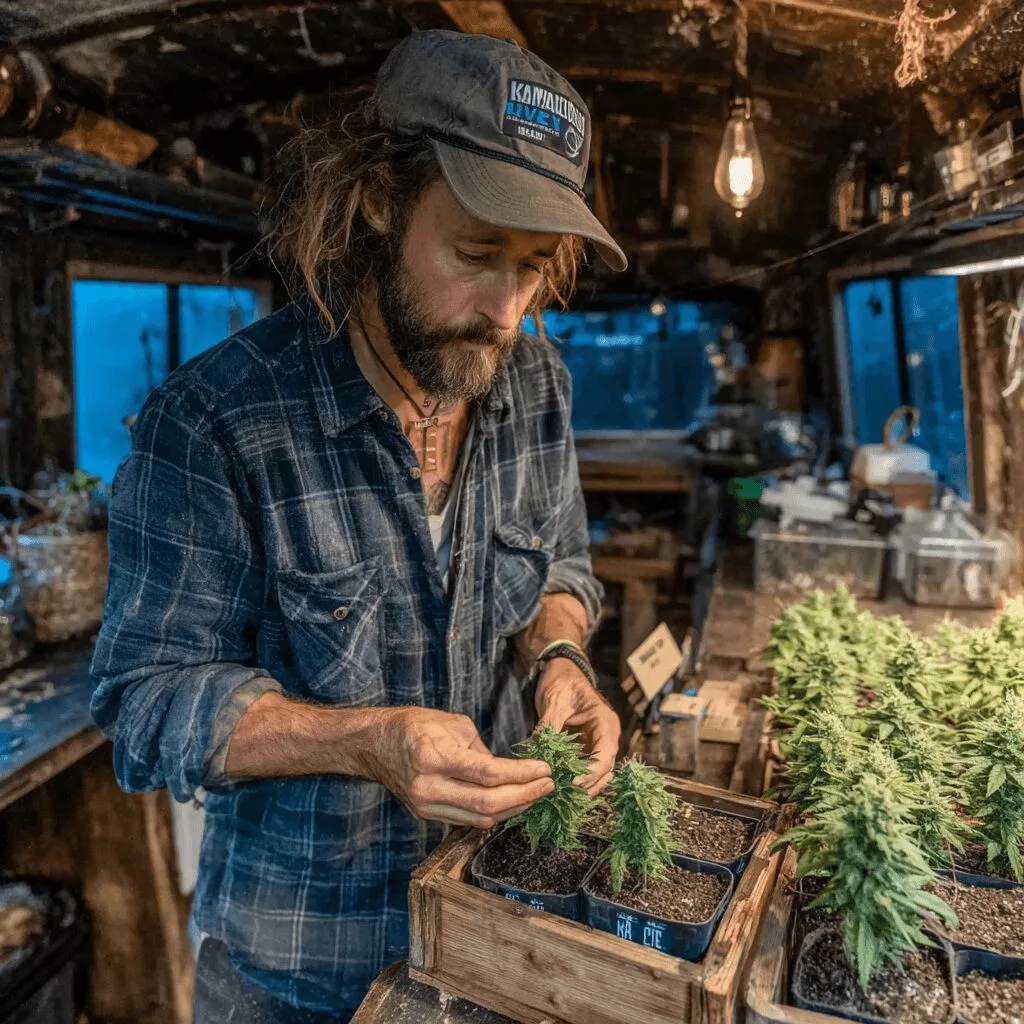
Vermont Cannabis Small Producers: Why Profits Remain Elusive
Right now, Vermont cannabis small producers are in the spotlight—hardworking, passionate cultivators seeking their place in the state’s new legal weed market. Despite the hype and hope around legalization, small growers are struggling with razor-thin margins, tight regulations, and shifting consumer demand. With the Green Mountain State’s market just getting rolling, it’s a crucial moment to unpack why profits remain out of reach, what’s impacting these dedicated producers, and where the industry could go next. By digging into their daily grind and the real pressures they face, we get a truer picture of what Vermont’s cannabis future could hold.
The Regulatory and Market Realities Facing Vermont Cannabis Small Producers
The legal framework for cannabis in Vermont is famously strict and intensely local. Since the state opened its adult-use cannabis market in October 2022, regulations have emphasized “craft” scale and local ownership. The Cannabis Control Board aims to empower Vermont cannabis small producers with tiered licensing and limitations on outside investment. On paper, this keeps big corporations from dominating the scene. Reality, though, compliance costs pile up, fees for safety testing are no joke, and zoning headaches make finding a grow even harder. Add limited bank access, thanks to federal illegality, banks are gun-shy—plus a tax framework that takes a big bite out of already slim profits, and you’ve got a recipe for stress. Recent policy confusion over THC regulations echoes issues seen in other states, like ongoing debates in Ohio over THC hemp restrictions. Industry insiders, like those quoted in local media, confirm that social acceptance has grown. But so have market pressures, licensing backlogs, and the uphill fight against illicit market competition.
Tough Economics: Key Issues and Events Hitting Vermont’s Cannabis Growers
Since the Vermont adult-use market kicked off in 2022, green rush optimism has felt, frankly, a bit misplaced for Vermont cannabis small producers. One of the biggest flashpoints has been the stall in profitability: license holders are reporting razor-thin or even negative margins. According to the Brattleboro Reformer, cultivators face high mandatory testing fees, seed-to-sale tracking expenses, and a lack of wholesale pricing power against larger operators.
- Many producers run family operations on less than 1,000 square feet, limiting economies of scale.
- Despite craft ethos, market prices have tumbled, with wholesale flower now fetching far less than expected as of early 2024.
- The Cannabis Control Board’s attempts to balance access and not flood the market has reportedly led to a glutted supply chain in some regions, a scenario seen in other cannabis markets where controversial products like THC-infused beverages spark price volatility.
- Some cultivators point to regulatory delays, slow license processing, and product remediations adding even more cost and time drag.
Operators like Northeast Kingdom Organics and Claybank Cannabis, both licensed small cultivators, have publicly called out the need for fee relief and more flexible rules in recent meetings. Meanwhile, growers have seen increasing competition from informal, unlicensed sellers—still active due to high legal compliance costs. Law enforcement actions, such as marijuana-related arrests discussed in other states, continue to have ripple effects in the region.
Expert Insights: Inside the Struggle and Silver Linings for Vermont Cannabis Small Producers
Digging deeper, the struggle of Vermont cannabis small producers isn’t just numbers—it’s human. Finding that sweet spot of compliance, quality, and sustainability is a real test. According to Marijuana Moment, small operators nationwide, not just Vermont, are “fighting both legacy systems and new red tape.” A similar struggle is reflected in the experience of those impacted by law enforcement actions in the cannabis space, as seen in stories such as this reflection on personal experience with THC at home. As local cultivator Pete Williams told Heady Vermont: “You have to love this plant to survive this industry. Nobody’s getting rich, but we’re persistent, Vermonters do not back down from hard work.” Nationwide, industry experts highlight that Vermont’s regulatory approach, focused on craft, transparency, and local control, could actually build stronger brands long term. But the constant cash crunch is pushing people out before they see those benefits. MJBizDaily reports that most small producers want reform but also pride themselves on the quality and sustainability that the Vermont market aims to protect. This struggle reflects broader cannabis trends: craft-first, consumer-aware, and fiercely independent. Still, it’s not an easy ride.
Conclusion & Looking Ahead: Hope on the Horizon for Vermont’s Cannabis Producers
While Vermont cannabis small producers face serious hurdles, hope runs high. Many leaders are pushing for regulatory fixes—like fee reductions and streamlined testing—echoing programs in states like Oregon and Maine. Industry watchers at Leafly say as consumer education grows, demand for local, sustainable craft cannabis could drive higher prices and more stable profits. State regulators are under pressure to protect Vermont’s small businesses from getting squeezed out as the market matures. With ongoing policy tweaks, growing community support, and the natural grit of Vermont farmers, the outlook for small producers still offers plenty of green shoots. The broader legal cannabis movement also shows that persistence and innovation can pay off, even in challenging markets. Stay tuned—because this story, much like a good sativa, is still unfolding.
Originally reported by: reformer.com


1 Comment
Pingback: New York Cannabis Control Board's Latest Decision Revealed