



Breaking: U.S. tourist killed Tobago – Shocking Details Inside
The cannabis community has always had a complicated relationship with international travel and local laws. Recently, the “U.S. tourist killed Tobago” headline grabbed the world’s attention, underscoring serious safety issues, regulatory confusion, and the way cannabis perception intersects with tragic current events. This story isn’t just about vacation gone wrong—it touches on the bigger issues we navigate as advocates: justice, social change, and how the cannabis industry can be part of thoughtful conversation when tragedy strikes. Let’s break down context, developments, and what this means for cannabis culture and policy—especially in destinations where laws, norms, and safety can change on a dime.
Understanding Tobago’s Social and Regulatory Backdrop
Tobago, the smaller half of Trinidad and Tobago, is famous for its laid-back beaches and vibrant cultural mix. But, its legal framework is worlds away from cannabis-friendly locales like California or Canada. Despite growing calls for reform, Trinidad and Tobago still maintains strict laws against unregulated cannabis possession, making even minor slip-ups a fast route to hot water with local law enforcement. Culturally, attitudes toward cannabis can be polarizing, shaped as much by the Rastafarian movement’s influence as by generational views. The latest wave of public conversation about drug laws mirrors similar headlines in the U.S., particularly as what really happens when you get caught with marijuana in places like South Carolina often makes news as well. For U.S. visitors, these legal and social dynamics create a risky landscape where misunderstanding can lead to unexpected, and sometimes dire, consequences. As reported by the Trinidad Express, ongoing debates about decriminalization further complicate public perceptions and police actions, especially in areas popular with tourists.
The “U.S. Tourist Killed Tobago” Case: What Happened?
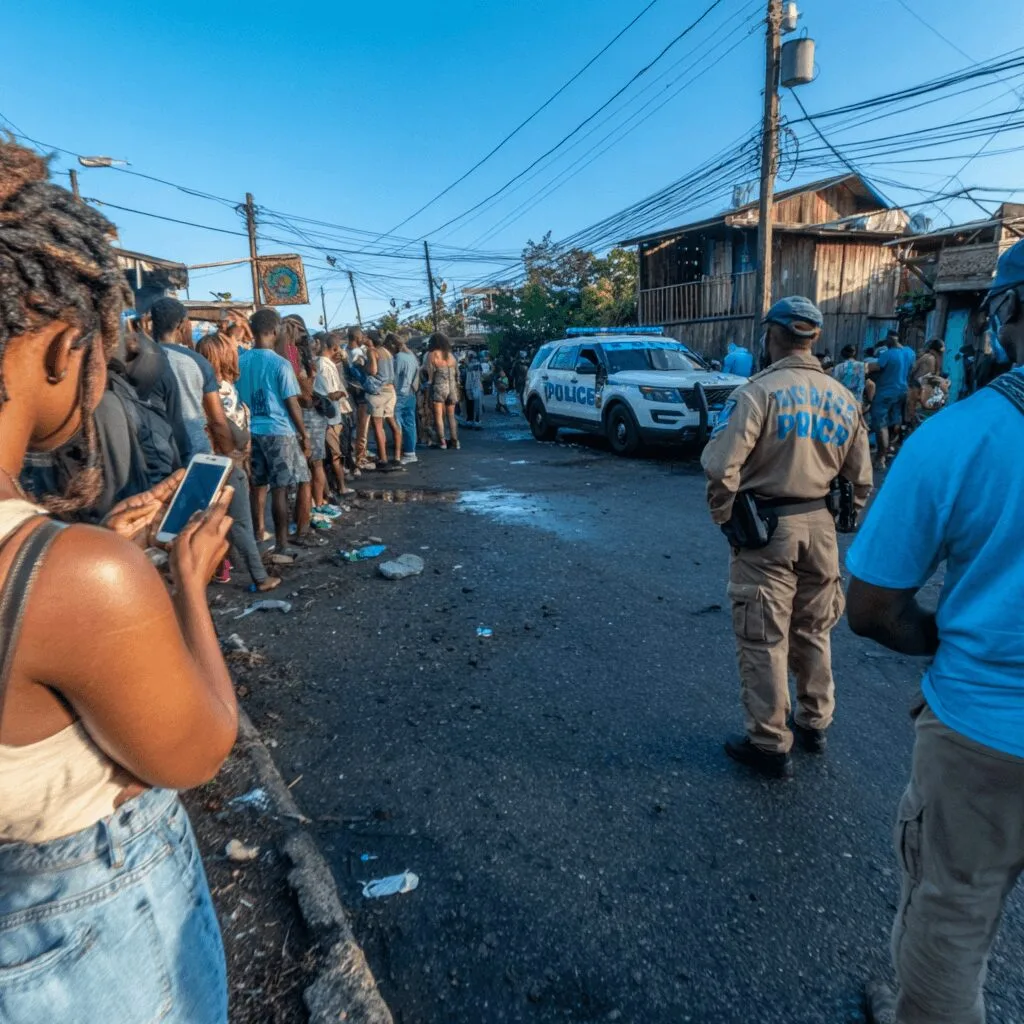
The tragic death of an American tourist in Tobago sparked international headlines. According to CBS News, local police detained a suspect just hours after the incident, a move that echoed how seriously authorities take crimes involving foreign nationals. Police reports confirmed that the U.S. citizen was discovered deceased near a tourist hotspot on June 8, 2024, with initial findings pointing to foul play. The incident quickly became front-page news, and the “U.S. tourist killed Tobago” phrase trended as both authorities and the U.S. embassy issued statements emphasizing cooperation and caution for travelers. While police remained tight-lipped about motives, witnesses described tension in the area leading up to the event, and the presence of cannabis-related evidence at the scene raised questions about whether outdated local drug laws contributed to the confrontation, which relates to broader worries about recent increases in cannabis-related incidents making headlines now. Tobago’s Chief of Police assured visiting Americans of a swift, transparent investigation, referencing previous high-profile cases that similarly drew the world’s gaze to local justice standards (Loop News).
Expert Analysis: Cannabis, Travel, and the Bigger Picture
Incidents like the “U.S. tourist killed Tobago” tragedy offer a tough reminder: cross-border cannabis use is still fraught with legal and social risks. International cannabis consultant Sheila Washington said, “When Americans travel to places where cannabis is criminalized and local attitudes are inconsistent, the risks can multiply—even for innocuous mistakes.” As organizations such as NORML and Leafly have long noted, inconsistent international regulation is a persistent challenge. For travelers, these shifting regulations create an environment best described in recent coverage on how bold new state models, like Minnesota’s THC hemp regulations, are setting standards in America. Law enforcement crackdowns are often unpredictable, and as industry experts emphasize, confusion about the legality of even medical or trace amounts of cannabis can have life-altering consequences for unsuspecting travelers. The volatility around enforcement also makes it easy for cannabis to be scapegoated when violent incidents occur, despite the lack of meaningful links between cannabis and violent crime according to Drug Policy Alliance research.
Looking Ahead: Safer Travel, More Sensible Laws
The “U.S. tourist killed Tobago” case is a wake-up call for global travelers and policymakers alike. For those of us in the cannabis industry, these stories make the case stronger for international legal harmonization, sensible policing, and better traveler education—none of which undermines the right to responsible use. According to a 2023 global trend report by New Frontier Data, the world is moving toward less punitive, more pragmatic cannabis laws, but progress remains uneven. Advocates are hopeful: every painful lesson brings us closer to reform that prioritizes safety and justice for all. As we move forward, the goal should be clear messaging for travelers, ongoing reform at the policy level, and a focus on cannabis as a catalyst for positive travel—not as the scapegoat for tragedy. In the end, compassion, expertise, and advocacy will ensure the cannabis culture stays informed, safe, and empowered across all borders.
Originally reported by: cbsnews.com