


There’s never been a hotter moment to talk about the US legal cannabis market. With major legislative debates happening coast to coast and consumer interest at an all-time high, state policy makers and industry leaders are gathering to hash it all out at the National Conference of State Legislatures (NCSL). The stakes? Billions in revenue, jobs, and the shape of the next big leap in social policy. We’re diving into the shifting rules, the tough conversations, and the biggest breakthroughs that are lighting up the cannabis scene—right as new states look to enter the game in 2024.
The Changing Landscape: Background & Context in the US Legal Cannabis Market
The US legal cannabis market is riding a wave of change, fueled by evolving state regulations and growing public support. As of 2024, nearly 40 states have legalized medical cannabis, and over half allow adult recreational use according to the National Conference of State Legislatures. This patchwork approach puts state lawmakers in the spotlight, racing to balance tax revenues, public safety, and social equity. The federal government still lists cannabis as a Schedule I substance, making banking, interstate commerce, and research tough. This legal quagmire means every policy tweak at the state level has outsized impact on businesses, patients, and communities involved in the growing US legal cannabis market.
Social stigma once surrounding cannabis is quickly eroding. Polls from organizations like Pew Research Center in late 2023 show more than two-thirds of Americans now back legalization in some form. As more public officials and health experts openly discuss the benefits and challenges, societal attitudes are paving the path for expanded legal access and normalization, similar to debates sparked by recent nationwide conversations on cannabis policy.
What’s Lighting Up: Key Developments & Issues at NCSL
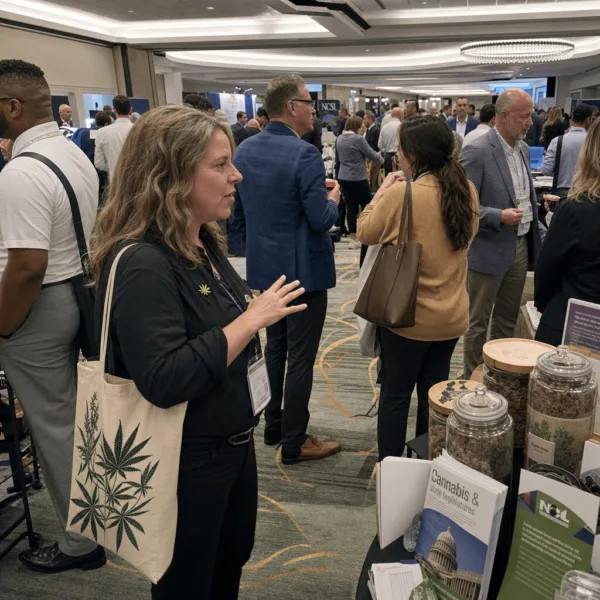
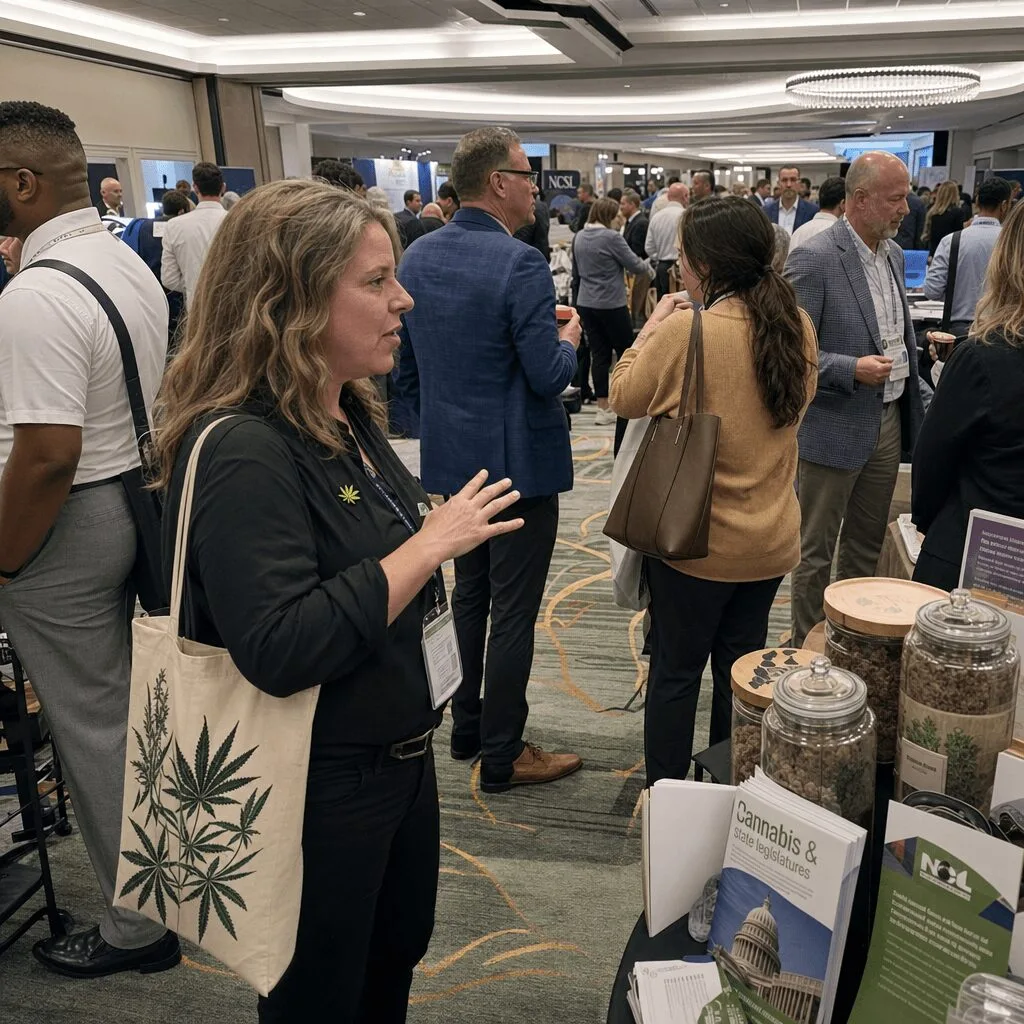
This month’s NCSL gathering has been a magnet for game-changing conversations about the US legal cannabis market. At the conference, state legislators and industry insiders explored how states like Minnesota are setting equity standards for new businesses, while New York’s regulators face hurdles in rolling out dispensary licenses due to ongoing legal challenges (NY Times).
- Equity in Licensing: Session speakers highlighted how states are redesigning their programs, giving priority to businesses owned by people from communities disproportionately impacted by past cannabis laws. Minnesota’s Social Equity program, for example, is being closely watched as a national model for 2024 (MPR News).
- FDA and Federal Policy: Federal officials addressed persistent issues, such as conflicting hemp regulations and the complications caused by the lack of interstate commerce. The rescheduling conversation is ramping up as 2024 brings new calls to move cannabis from Schedule I to Schedule III.
- Banking Reform: Despite state-level legalization, the cannabis industry still faces tough banking rules, forcing many businesses to operate in cash. Panels on the SAFE Banking Act underlined bipartisan support but also ongoing delays in passing federal reform.
- Social and Health Issues: Public health stakeholders shared data on youth prevention, impaired driving, and labeling standards, highlighting ongoing tensions between business growth and public safety imperatives. These issues also arise in connection with products such as THC-infused beverages in New York City.
The collision of real-world challenges and legislative ambition is shaping the next phase of the US legal cannabis market, as captured live at NCSL 2024.
Expert Takes: Insights and Analysis on the US Legal Cannabis Market
Diving deeper, these trends show just how dynamic, and sometimes messy, the US legal cannabis market has become. The explosion of new state-level regulations is prompting fierce debates over social responsibility, tax strategy, and market access. As noted by Marijuana Moment, “there’s never been a time quite like now, states are essentially experimenting in public, and industry has to flex with every unexpected twist.” Indeed, as Leafly senior editor Bruce Barcott put it in a recent conference panel: “We’re not just building a new market, we’re unlearning eighty years of anti-cannabis messaging, one legislative session at a time.”
This experimental energy is a double-edged sword. States pushing equity licensing are challenging, sometimes clashing, with legacy operators and well-funded newcomers. Meanwhile, the push for federal rescheduling is equally fraught: It could resolve tax headaches and open up banking, but might also unleash price competition that squeezes family-run dispensaries. As industry analysts at Cannabis Business Executive point out, smart operators are focusing on compliance and versatility to weather sudden shifts. Those adapting well tend to leverage guidance similar to what you’d expect from a dedicated DEA compliance advisor for cannabis companies. What’s clear? The US legal cannabis market continues to evolve faster than almost any other consumer sector.
Seeds of Change: What’s Next for the US Legal Cannabis Market?
The vibe for the US legal cannabis market in 2024 is optimistic—and not just in word, but in growth charts and ballot initiatives. With more states inclined to legalize, fresh equity standards emerging, and bipartisan federal reform gaining momentum, industry insiders are excited for the next chapter. According to a recent Leafly industry tracker, the coming years are poised to see multi-state operators, local entrepreneurs, and legacy advocates working together (and sometimes apart) to push the boundaries of what’s possible. As we watch the old stigmas crumble and regulatory gaps tighten, there’s every reason to believe that acceptance and economic opportunity will keep growing roots. The future for those in and around the US legal cannabis market? Bright, green, and wide open.
Originally reported by: pluribusnews.com