

NYC illegal THC drinks: What Every Shopper Must Know
If you’ve noticed more mysterious cans on corner-store shelves, it’s not just your imagination. NYC illegal THC drinks are in the spotlight right now, with city officials and national news raising alarms. As the underground cannabis beverage scene spreads in 2024, every New Yorker—consumer, parent, or canna-curious shopper—needs to know what’s swirling in this high-risk, high-demand marketplace. Let’s break down the facts, legal moves, and what these new warnings really mean for you.
The Regulatory and Social Landscape of NYC Illegal THC Drinks
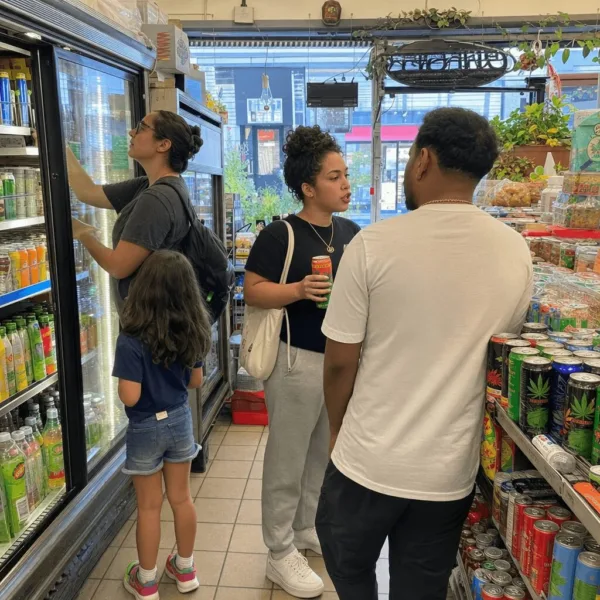
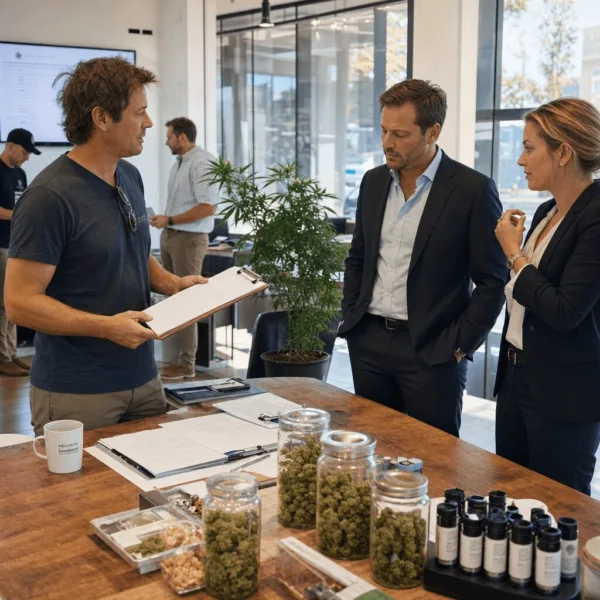
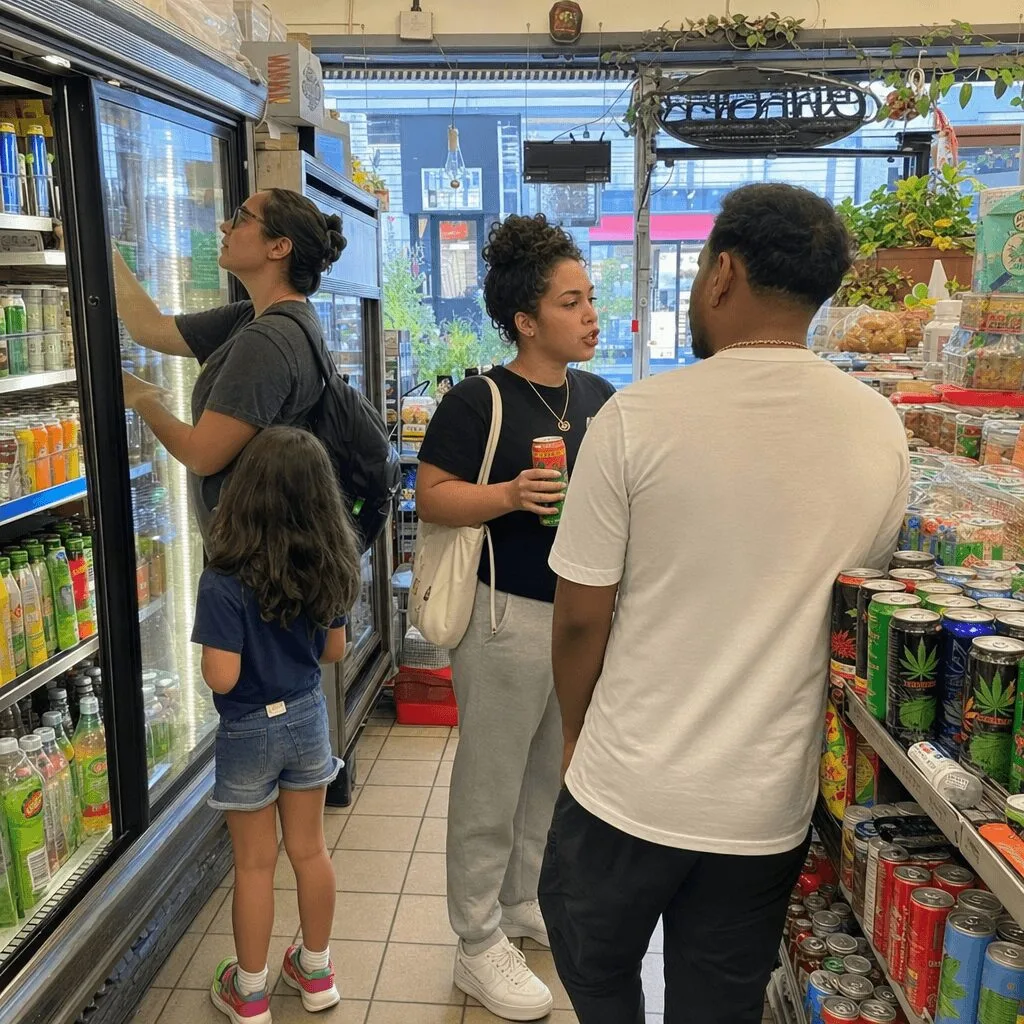
The rise of NYC illegal THC drinks is fueled by a clash between evolving consumer demand and slow regulatory progress. Despite New York’s legal cannabis market officially launching in late 2022, key retail rules lagged behind, allowing informal sellers to fill in the gaps. According to Leafly’s in-depth policy review, licensed dispensaries must navigate strict packaging, age verification, and potency regulations. However, unlicensed bodegas and small shops have exploited grey areas, offering products that look like soft drinks but may be loaded with delta-9 THC. Law enforcement, meanwhile, faces obstacles identifying illegal products because many are cleverly disguised and lack clear labeling. For businesses navigating these evolving regulations, having a DEA compliance cannabis advisor is becoming a necessity in 2024 to avoid fines and legal complications. The market’s “wild-west” status attracts entrepreneurial risk-takers, but also increases the chance that minors or unaware customers will be exposed. Socially, the normalization of cannabis in NYC creates mixed messaging for families and shoppers, blurring the line between fun new drinks and unregulated highs.
Key Developments and Issues: What’s Happening in NYC Right Now
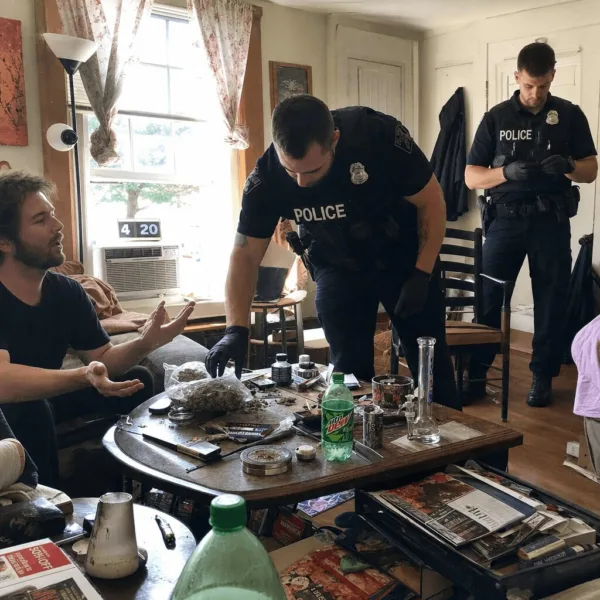
According to a recent New York Post report, city officials have discovered an uptick in illegal THC-infused drinks being sold at independent stores, often disguised among regular sodas and energy drinks. These beverages commonly feature sly marijuana leaf motifs and are promoted as “herbal” or “relaxation” drinks. In July 2026, NYC health authorities issued a warning after finding unregulated drinks that looked nearly identical to benign beverages—including some with bright, colorful cans. The undercover sting operations included random spot checks and lab tests revealing that THC concentrations often exceeded both state and federal limits. As part of their crackdown, regulators reminded store owners they could face severe fines, license loss, and even criminal penalties if caught with illegal THC products. For store owners and shoppers in other parts of the country, adapting to restrictions like the recent THC product bans in places such as Denton presents similar compliance challenges. The investigation also highlighted instances where children unknowingly picked up cannabis drinks, raising public safety concerns citywide. This surge in NYC illegal THC drinks has put extra pressure on the New York State Office of Cannabis Management to tighten enforcement and public education.
Cannabis Industry Analysis and Balanced Perspective
The explosion of NYC illegal THC drinks underscores broader challenges across the United States. Industry experts at Marijuana Moment highlight how slow licensing and high entry barriers drive illicit trade, with attorney Lauren Rudick—one of the leading cannabis industry advocates—noting, “Anytime legal channels are bottlenecked, the underground economy finds a way to satisfy demand.” The demand for accessible, discreet cannabinoid beverages isn’t likely to vanish, instead, it incentivizes more innovative and sometimes risky vendor tactics. While official warnings stress child safety and regulatory breaches, many advocates argue that logical, well-enforced legalization would reduce confusion and disincentivize illegal operators. The solution isn’t panic, it’s smart oversight. In other states such as Texas, crackdowns on THC have already prompted discussions on how policy can impact communities, as discussed in the renewed push to ban THC there. Licensing more shops, fast-tracking consumer-safe testing, and running robust public awareness campaigns can bridge the gap between legal and illegal sales. Cities like Los Angeles and Denver have already reduced illegal edible sales with targeted regulation and public campaigns, as detailed in Forbes’ cannabis business coverage. NYC can, and should, take notes.
The Road Ahead: NYC’s Cannabis Industry and the Future of THC Drinks
NYC illegal THC drinks are symptomatic of a cannabis industry in flux. With the right reforms, clearer labeling, and stricter age controls, New York could transition these products from shadowy shelves to licensed display coolers. The city’s vibrant cannabis culture is here to stay, and responsible growth is possible. As industry analysts at New Cannabis Ventures note, mainstream acceptance and tighter regulations go hand in hand. Smart consumers, educated parents, and determined advocates will help NYC shape a safer, more inclusive THC drink ecosystem in the years ahead.
Originally reported by: nypost.com