


Virginia cannabis complaints: What the tip line reveals
If you’ve been following the ever-shifting weed landscape, you know Virginia cannabis complaints are heating up in 2024. As more Virginians use the official tip line to report everything from sketchy vape shops to murky enforcement moves, it’s clear the market is at a turning point. Recent reports from trusted outlets show these tips reveal real gaps in regulations. The growing dialogue shapes public perception, potential legislation, and how shop owners do business—so let’s break down why this matters now more than ever.
The Evolving Regulatory Landscape in Virginia
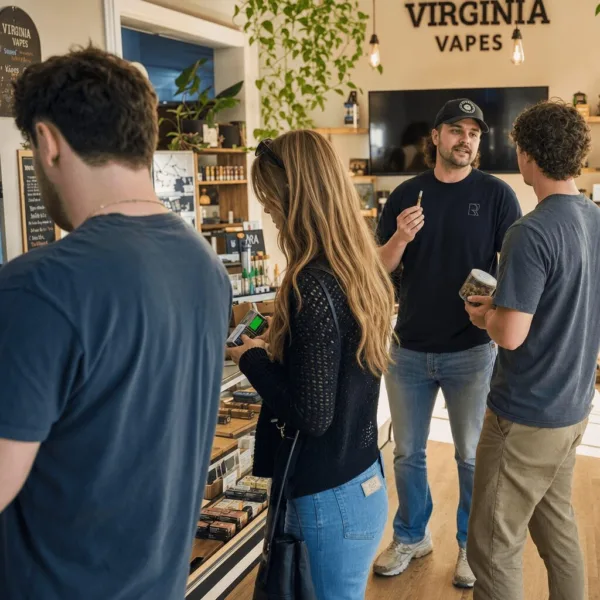
Virginia cannabis complaints didn’t exist at this scale until policymakers started tinkering with legalization. When the state green-lit adult-use cannabis, regulators scrambled to keep pace with rapidly opening shops and public enthusiasm. But without retail licensing in full swing, the state’s patchwork regulations left a lot of grey areas for businesses—especially vape shops operating at the crossroads of compliance and risk. Recent local initiatives, like responses to regulatory uncertainty in markets facing THC product bans, show how communities navigate similar grey zones when local shoppers face significant market changes. According to Virginia state government sources, this legal limbo created confusion for consumers and sellers alike. Local officials have responded by opening channels for reporting violations, but gaps remain as the program grows in real time.
Explosive Growth, Enforcement Gaps, and What the Tip Line Uncovered
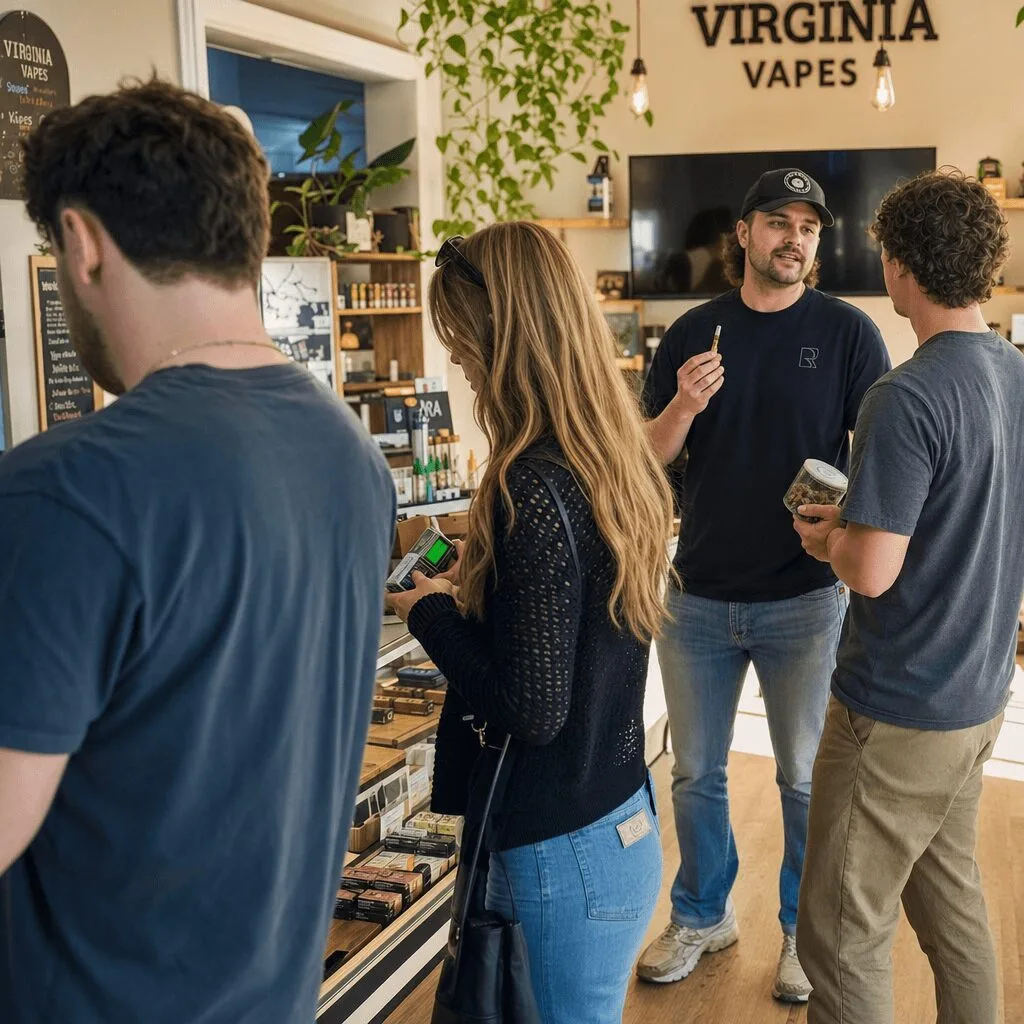
The steady drumbeat of Virginia cannabis complaints reached new highs after the introduction of the tip line, a move championed by regulators to let citizens flag questionable activity. Axios Richmond’s deep dive highlights dozens of submitted tips focusing on vape shops allegedly selling THC products outside the spirit, or sometimes the letter, of state law. One 1785162650 complaint notes a Richmond vape shop allegedly offering pre-filled cartridges labeled as legal hemp but marketed with psychoactive intent (Axios Richmond). The scale of these reports mirrors spikes in community concerns seen in places like Sweet Briar College, where changes can spark intense public engagement and calls to action, much like recent fundraising efforts that exceeded expectations. Another tip from the tip line linked sellers to underage access and claims of “gifting loopholes” being abused. Over the past year, authorities have responded with sporadic inspections, warnings, and promises of more robust enforcement rules. Meanwhile, legitimate retailers face tough questions about what’s legal, what’s ethical, and how to stay afloat as regulations evolve mid-game.
Expert Analysis: Industry Wisdom, Warnings, and Hopeful Signs
The surge in Virginia cannabis complaints isn’t just bureaucratic noise, it reveals a state struggling to match consumer demand with smart, just policy. As MJBizDaily industry expert Anne Holland recently observed, “When states open markets but stall on issuing retail licenses, informal businesses fill the void. That invites headaches, but also signals huge public demand.” This type of challenge resonates in other regions too, with shifting policies like the renewed crackdown in Texas impacting how everyday people and businesses respond. Many industry advocates urge officials to focus less on punitive crackdowns and more on guiding responsible operators, especially those carving out legitimate, community-centered shops. Experienced retailers stress that clear rules and better education are what actually protect consumers, prevent youth access, and legitimize good businesses.
Future Outlook: Progress Through Dialogue and Regulation
Despite the boom in Virginia cannabis complaints, there’s optimism among those invested in a fair, accessible cannabis industry. State lawmakers are examining data from the tip line to craft smarter, more equitable licensing laws—hopefully ditching the current patchwork approach. Robust oversight and open dialogue with the public are key to ensuring safety and equity. According to NORML, similar complaint-driven reforms in other states have led to clearer rules and broader social acceptance. As Virginia works through its growing pains, well-articulated Virginia cannabis complaints may be just what’s needed to move the market forward for everyone—patients, recreational users, and responsible shop owners alike.
Originally reported by: axios.com