

US cannabis seed ban: Is it driving genetics underground?
The US cannabis seed ban is shaking up the industry in real time. This hot-button issue is causing ripples for growers, seed companies, and backyard enthusiasts alike. With recent legal actions spotlighting the ban, key questions loom: Are genetics really being pushed underground, and what does this mean for access, innovation, and the market? In this article, we’ll break down the US cannabis seed ban, unpack its background, analyze the latest developments, and shine a light on where this wild ride might be headed. If you want clarity on what’s at stake and how cannabis culture is responding, you’re in the right spot.
Understanding the US Cannabis Seed Ban: Background & Context
The US cannabis seed ban isn’t just legal fine print, it’s the product of decades of tangled regulation. Under federal law, cannabis is still classified as a Schedule I controlled substance, according to the DEA. That means cannabis seeds, even if they lack psychoactive THC, are often swept up in broad restrictions. Meanwhile, some states have rolled out legalization programs, allowing legal sales and home growing. But the rules around seeds are a weird gray area, since federal rules say one thing, and local laws might say another. As Leafly notes, this patchwork creates headaches for legit seed companies, researchers, and passionate hobbyists. Unfortunately, these conflicting legal signals are spawning a Wild West environment for cannabis seeds, hampering both innovation and reliable access for consumers. This confusing legal structure is eerily similar to unexpected enforcement issues arising in places like Lincoln County, where recent arrests highlight how cannabis law can impact everyday life.
Key Developments & Issues: What’s Happening Right Now with the US cannabis seed ban?
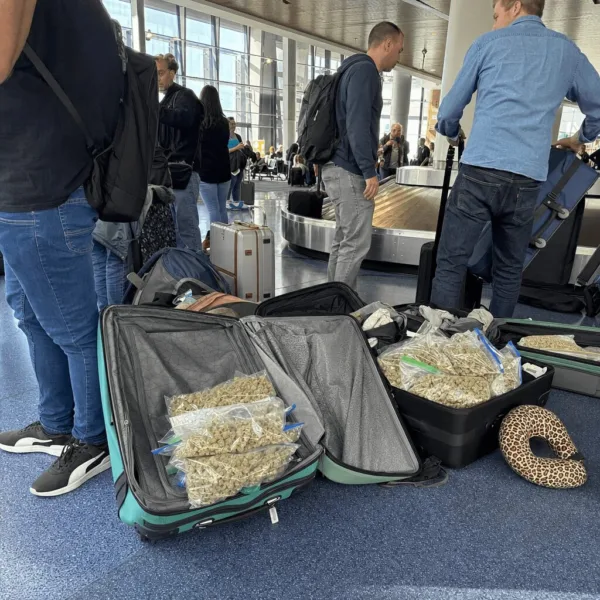
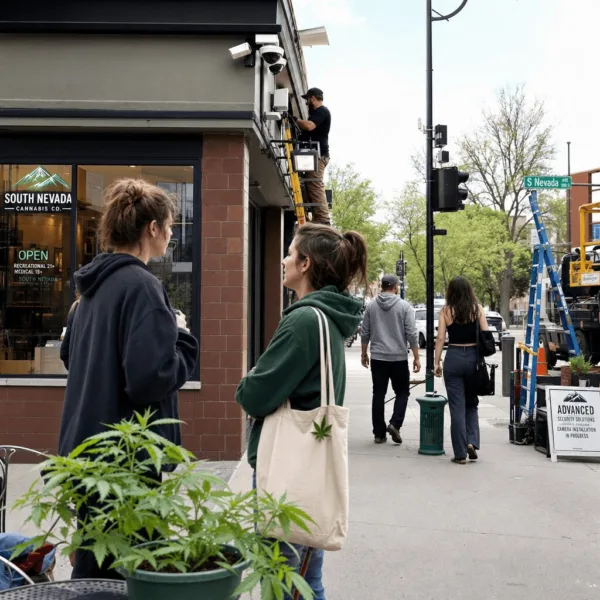
In December 2025, the issue hit the spotlight when US authorities began stepping up enforcement of the cannabis seed ban against prominent seed retailers. According to The Guardian, federal agencies have increased pressure on major online seed markets, forcing several to halt cross-state sales. Companies like Pacific Seed Bank and Seedsman reportedly received cease-and-desist letters, while smaller US-based breeders had their mailings intercepted. The crackdown isn’t just targeting businesses, individual home growers in legal states have started reporting seed packages seized at customs—even if both states involved are cannabis-friendly. These enforcement moves not only threaten legitimate business but push cannabis genetics further underground, sparking real anxiety among cultivators and industry advocates. This situation mirrors broader uncertainties seen during big industry events, like when rumors about cannabis rescheduling broke during MJBizCon. As the article highlights, state-licensed operators in places like California and Oregon are left in legal limbo, while illicit genetic trading is seeing new life on the dark web and social media platforms.
Expert Analysis & Pro-Cannabis Counterpoints on the US cannabis seed ban
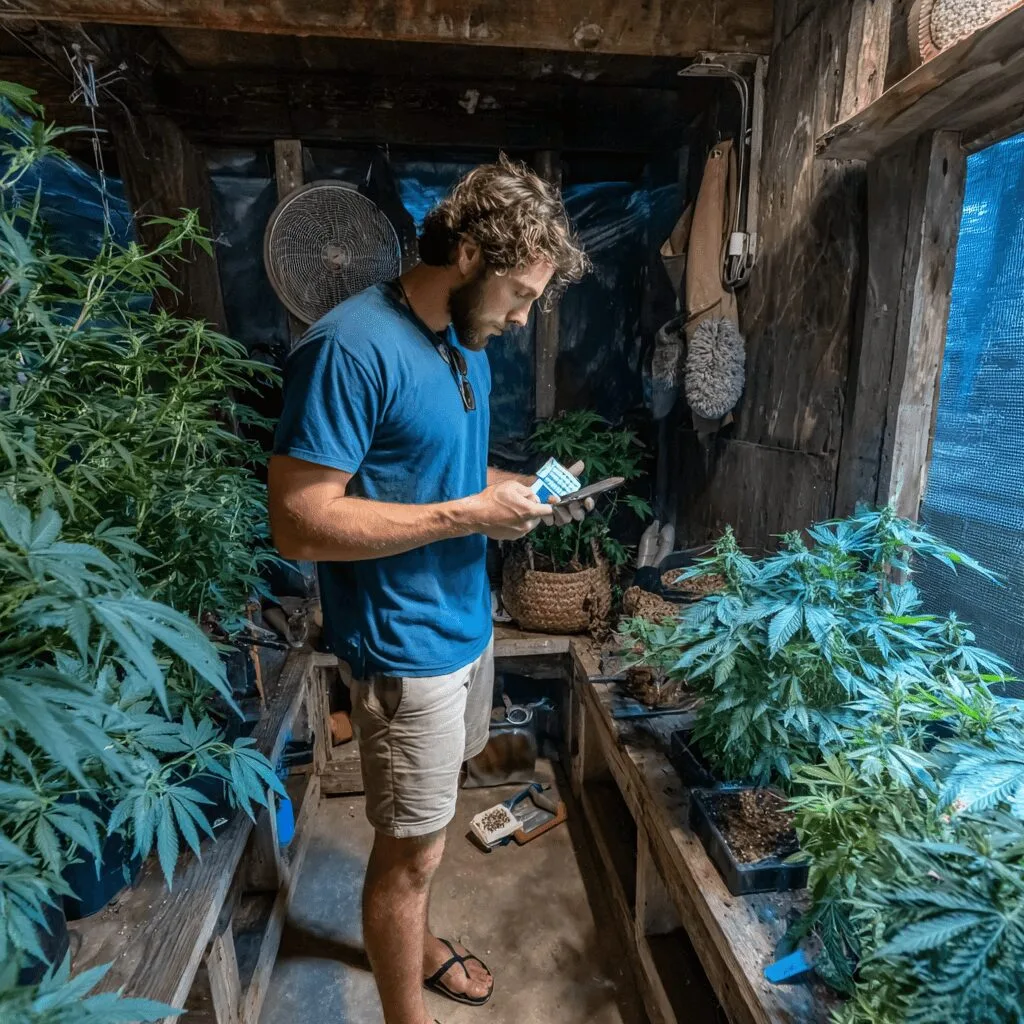
Let’s get real, the US cannabis seed ban isn’t stopping determined growers, it’s just making things sketchier. By bottlenecking legal seed distribution, regulators are handing a lifeline to underground markets and losing oversight in the process. This frustrates top industry voices. As High Times columnist Danny Danko puts it, “When you drive seeds underground, you sacrifice transparency, safety, and progress. Legal access to genetics keeps the playing field fair, supports innovation, and helps small businesses thrive.” It’s true, legacy breeders, who’ve shaped cannabis culture for decades, now risk being frozen out or criminalized. The ban also weakens research potential, since universities and labs can’t freely access diverse genetics for medical or agricultural study, as seen in recent reports by the National Organization for the Reform of Marijuana Laws (NORML). Consider it a classic case of the law being outpaced by reality: consumer demand isn’t cooling, and breeders aren’t just tossing in the towel. This underground exchange of rare genetics increases the risk of adverse incidents, much like the spike in THC edibles ending up in situations that alarm parents and communities, plus creates a return to the secrecy that legal reform tried to end.
Future Outlook & Conclusion: Seeds of Change or Missed Opportunity?
The future of the US cannabis seed ban is anything but certain. Ongoing federal-state legal friction is fueling creative workarounds, passionate debates, and growing calls for reform. According to Marijuana Moment, advocates are pushing for legal clarity and seed access provisions in upcoming federal cannabis legislation—potentially opening the door for regulated, transparent seed trade nationwide. There’s real momentum, especially as more Americans embrace home growing and demand better genetics. While the ban stokes anxiety and black market activity today, it also sharpens the focus on why we need data-driven reform. The cannabis industry has always been about resilience, innovation, and hope. So whether you’re a home grower, breeder, or just a fan of funky phenos, keep your eyes on the horizon—the next generation of legal, diverse cannabis genetics may be closer than we think. As the journey continues, policy, science, and grassroots culture will shape a future where high-quality seeds are accessible, safe, and celebrated.
Originally reported by: theguardian.com