





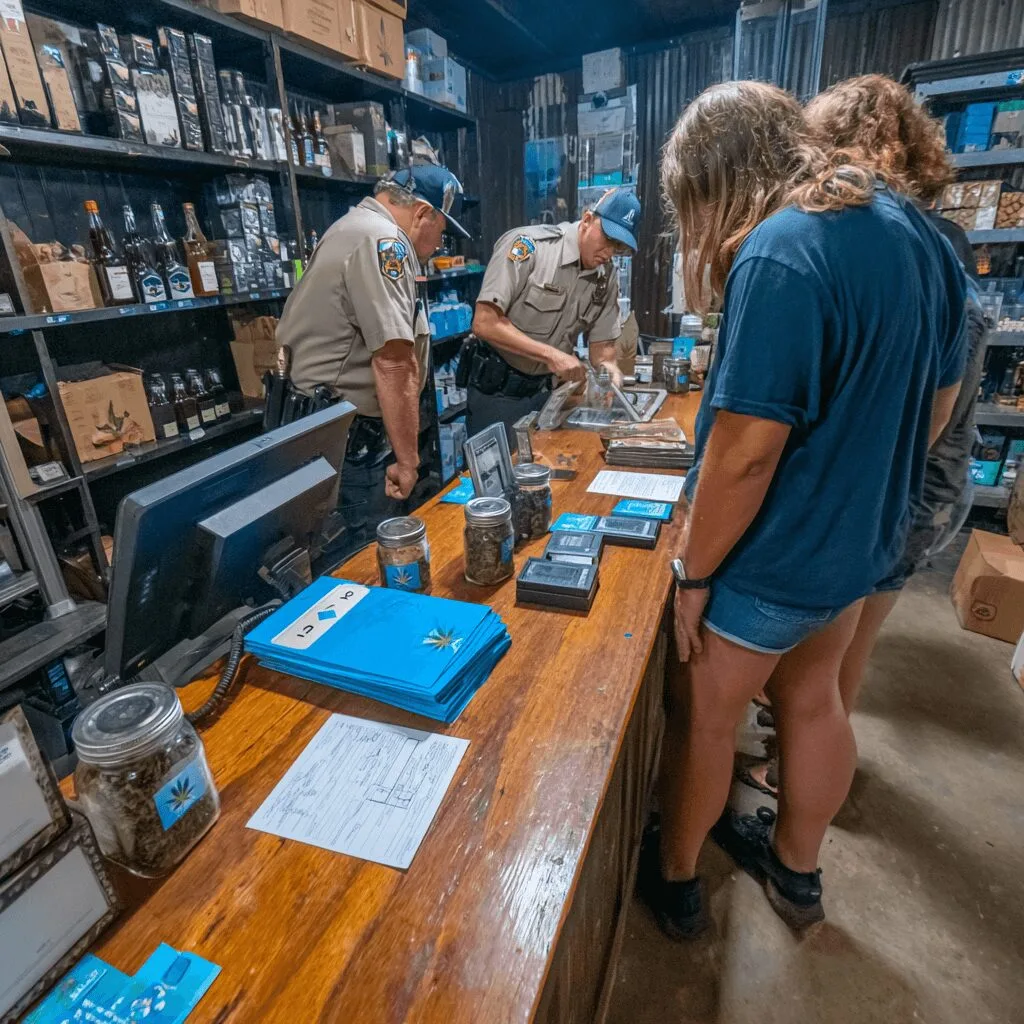
Underage THC Alcohol Sales Prevention: Protecting Georgia’s Youth
Underage THC alcohol sales prevention is raising alarms in Georgia’s cannabis community. Why now? With minors finding new ways to access cannabis-infused alcohol products, authorities and advocates are joining forces for proactive safety measures. Recent market booms and evolving laws have put this issue in the spotlight. Today, we’ll break down the latest news, legal context, on-the-ground action, and what real cannabis industry pros think of all this.
Understanding the Push for Underage THC Alcohol Sales Prevention
Across the U.S., the legal cannabis market is gaining legitimacy, but it’s also under scrutiny. States like Georgia face tricky challenges with the rise of hemp-derived THC products and high-potency alcohol fusions, both sometimes landing in the hands of minors. The Food and Drug Administration’s recent warnings about unregulated THC-infused beverages highlight public concern (FDA warning). Retailers must navigate a maze: state laws, federal ambiguities, and strong opinions from parents and advocacy groups. Ongoing enforcement and responsible sales practices remain the backbone of underage THC alcohol sales prevention. According to the National Organization for the Reform of Marijuana Laws (NORML), several southeastern states are now pushing for stricter controls on cannabis and alcohol point-of-sale compliance. Local communities with strong medical dispensary networks also offer a glimpse into how strict compliance fosters real public health benefits, something recently observed in the Hamburg medical marijuana dispensary community. Georgia’s unique mix of local agricultural roots, new cannabis businesses, and cautious law enforcement puts this underage THC alcohol sales prevention movement in the crosshairs of social debate.
Latest Developments: Georgia Takes Action on THC and Alcohol Sales
This month, southeast Georgia saw a flurry of joint enforcement efforts aimed at underage THC alcohol sales prevention. As reported by WSB-TV, local agriculture officers teamed up with sheriff’s deputies in rural towns, launching coordinated ID checks at convenience stores and head shops. These checks, held in early June 2024, specifically targeted shops suspected of selling cannabis flower jars and THC-infused alcohol bottles to minors. Stores displaying cannabis-leaf-branded merchandise and Delta-8 products came under heightened inspection. In similar enforcement news, recent roadside incidents like high-profile marijuana seizures at traffic stops are indicative of a broader trend in the state’s rigorous response. Officers issued multiple warnings and citations, focusing on rigorous carding policies and employee training. Officials emphasized not only legal compliance but also public safety, as incidents of minors accessing THC-based products saw a measurable uptick this spring. The Georgia Department of Agriculture urged all retailers—even small rural stores—to double-down on staff education and posted compliance signage, all in support of aggressive underage THC alcohol sales prevention efforts.
Expert Analysis, Industry Insight, and the Case for Balance
In the bigger picture, underage THC alcohol sales prevention is as much about education as enforcement. Successful frameworks in states like Colorado and Oregon prove that robust compliance training and modern point-of-sale technology can dramatically reduce underage sales (Leafly Industry Analysis). As Steve DeAngelo, co-founder of Harborside and a renowned cannabis activist, states: “Responsible retailing is the future. We have a duty to keep minors away while promoting safe access for adults, that’s real cannabis leadership.” (Source: Forbes Interview). Broader cultural shifts are underway, visible in cities with progressive cannabis policy reforms and changing attitudes, as explored in the transformation of Seattle’s cannabis-friendly communities. Community outreach, honest signage, and collaboration with law enforcement are making tangible impacts in trusted dispensaries nationwide. Let’s not forget: most legal cannabis operators don’t want kids buying their stuff either. They understand that one bad story can hurt years of progress and shut down local opportunity. Even as Georgia law enforcement turns up the heat, many in the cannabis business are stepping up with voluntary compliance workshops, anonymous tip lines, and better staff vetting. These collective efforts reinforce that underage THC alcohol sales prevention is both a practical necessity and a cultural responsibility.
Looking Ahead: Growth, Responsibility, and a Safer Cannabis Community
The future of underage THC alcohol sales prevention in Georgia—and beyond—isn’t just about cracking down. It’s about raising the bar for education, social awareness, and mutual trust between the cannabis industry and society. As the legal landscape slowly modernizes, more policymakers are acknowledging that smart regulation, not prohibition, best protects communities (see Marijuana Moment for updates). Pro-cannabis reforms are fueling new jobs, taxes, and safe recreational options. The key for everyone, from store clerks to industry lobbyists, is fostering a culture of compliance and care. Remember: a strong, responsible cannabis marketplace is the single best defense against underage access—and the ultimate win for both advocates and skeptics. As new compliance technologies emerge, rural and urban Georgians alike have reason to look forward to a future where underage THC alcohol sales prevention is simply business as usual.
Originally reported by: wsbtv.com



2 Comments
Pingback: Cannabinoid Products Chronic Pain: What Works Best in 2024?
Pingback: IM Cannabis Board Appointment: Major Leadership News 2024