





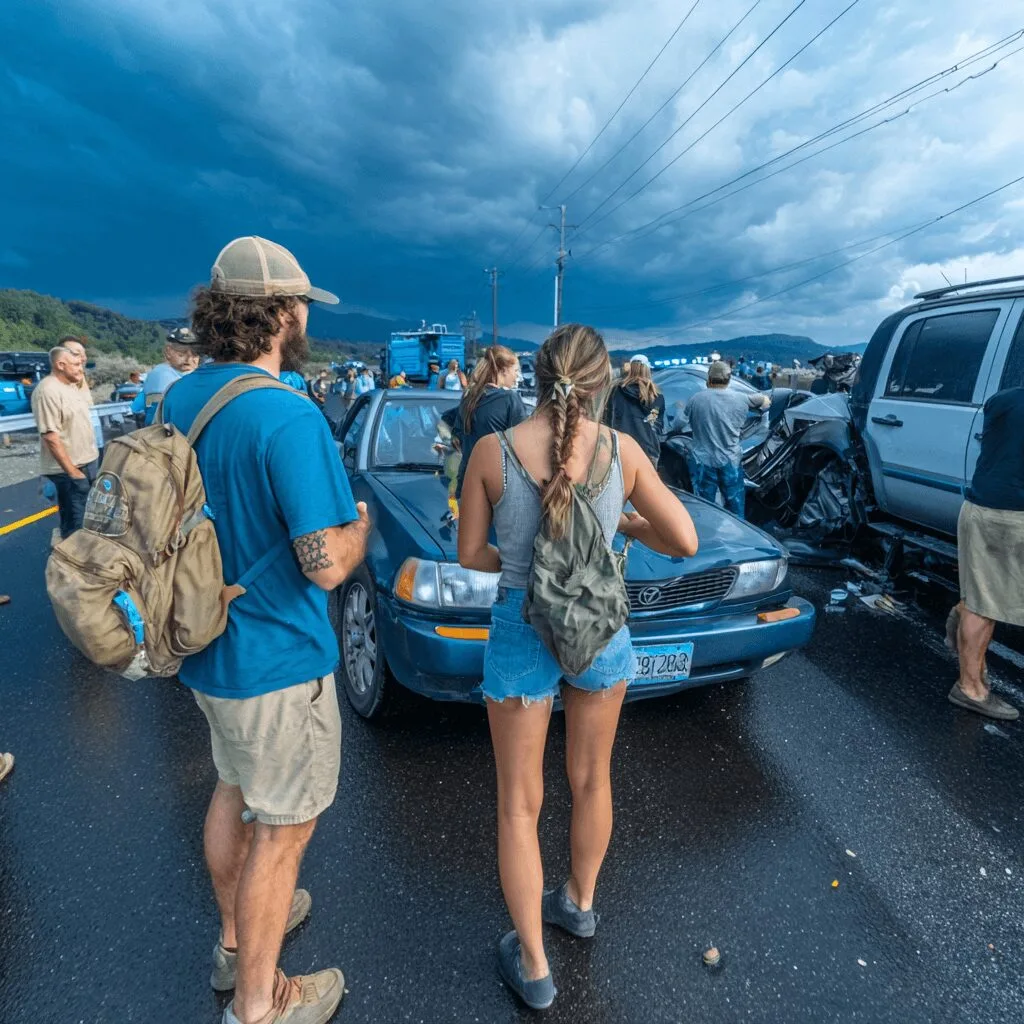
Turnpike Head-On Collision: Shocking Crash Details Revealed
Alright friends, buckle up—major news just rolled in, and it’s making waves far beyond just traffic reports. The recent turnpike head-on collision isn’t just another accident; it’s a moment shining a light on real lives, how we drive, and yes, the ongoing stigma around cannabis culture. With everyone buzzing about road safety, legal implications, and who’s really impacted, the story is packed with lessons for the cannabis community and mainstream society alike. We’ll break down what happened, set it in context, and get real about what needs to change—on the highways and in the halls of power.
Understanding the Landscape: Road Safety, Cannabis, and Legal Trends
To appreciate the significance of this turnpike head-on collision, you have to zoom out. Across the U.S., highways see thousands of accidents every year, but when cannabis advocacy is tossed into the conversation, things heat up fast. Regulatory frameworks, like those described by the National Conference of State Legislatures, now place tight scrutiny on impairment, whether by cannabis, alcohol, or prescription meds. Meanwhile, states embracing legalization face complex questions: can you ensure safe roads without automatically blaming cannabis for every driver’s mistake? Recent research from NORML and Wisconsin’s DOT highlight the trend, regulations are evolving, public opinion is shifting, but stigma still prevails. As legalization spreads and social acceptance grows, every incident (like this latest crash) gets overanalyzed, but often without context or nuance. This is similar to what’s happening within local markets where a recent local arrest sparked a big cannabis debate, showing how single events can rapidly turn into larger conversations about law, stigma, and public policy.
The Crash, the Coverage, and What Unfolded
So, let’s dive into the core facts ripped straight from the headlines. On June 25, reports surfaced about a serious turnpike head-on collision, drawing emergency crews, news cameras, and heaps of speculation. According to WGME News, the crash wasn’t a simple fender-bender. It involved multiple vehicles and resulted in a chaotic traffic jam. First responders arrived quickly, managing injuries and securing the scene. The presence of bystanders—including a few openly representing cannabis culture—sparked social media debates almost instantly. Law enforcement emphasized no definitive link between cannabis use and the accident, despite social buzz. Specifics about fault and contributing factors remain under investigation, but the real damage, confusion, injuries, and social snap judgments, was immediate. Events like these often get sensationalized, as confirmed by CNN’s road safety coverage, making nuanced understanding even more critical. These public reactions echo what we’ve seen in the broader marketplace, where shifting rules about THC and buyer responsibilities have made headlines, such as recent legal issues around THC sales adding further complexity to how cannabis intersects with local law enforcement and public perception.
Expert Perspective: Moving Beyond Stigma in Cannabis and Crash Discourse
Alright, time to pass the mic to the experts, and yes, your seasoned cannabis advocate here’s got a few thoughts. Every time there’s a turnpike head-on collision or major highway event, there’s a knee-jerk push to villainize cannabis, even when the facts don’t match. According to veteran industry analyst Bruce Barcott at Leafly, “It’s both lazy and inaccurate to conflate every traffic accident with cannabis use. Data shows other factors, like distraction and fatigue, play far larger roles.” Recent studies in Medscape also back this up, pointing toward alcohol, speed, and impaired judgment across substances as much bigger risks. Still, the cannabis community can’t just shrug off safety, there’s a responsibility to model best practice, champion education, and call out misinformation wherever it lurks. Road safety isn’t anti-cannabis, it’s pro-everyone. As reformer and advocate Ethan Nadelmann once said (per Drug Policy Alliance), “Good policy means focusing on facts, not fear.” Just as new medical and dispensary initiatives, like the trailblazing work at a Kentucky dispensary changing the game, help demonstrate responsible use and education in practice, conversations about cannabis and accidents must move past stigma toward informed, balanced policy.
Looking Ahead: Safer Highways, Smarter Laws, and a Brighter Future
So, what should we take away from this turnpike head-on collision? For one: the cannabis industry is growing up—fast. That means the conversation is shifting from fear-based rhetoric to nuanced, science-backed policymaking, as Marijuana Moment frequently reports. Legalization’s not slowing down, and neither is the push for better roadside education and unbiased investigative practices. Community voices matter more than ever—because every time a collision happens, what we say and do can tip the scales toward smarter regulations and fairer perceptions. Let’s keep pushing for open minds, open roads, and open conversations. That’s how real change happens, one mile and one mind at a time.
Originally reported by: wgme.com



2 Comments
Pingback: Maine turnpike crash: Stunning head-on collision details
Pingback: Discover Speed Limit Signage Arlington: What You Need to Know