Tucson mayor son DUI marijuana: Major scandal revealed
The phrase “Tucson mayor son DUI marijuana” has been making waves in Arizona and beyond, sparking heated debates in both legal and cannabis communities. With the ongoing evolution of marijuana laws, stories like this bring both stigma and learning opportunities to the surface. As policymakers push for sensible reform, and legalization efforts spread nationwide, the Tucson incident highlights crucial social, legal, and cultural dynamics. Let’s dive deep into why this scandal matters, what actually happened, and what it means for the future of cannabis in America.
Understanding Cannabis Law, Public Perception, and the Arizona Landscape
Arizona has experienced a dramatic shift in cannabis law over the past decade. Medical marijuana has been legal since 2010, and recreational use gained traction with Arizona Department of Health Services approving Proposition 207 in 2020. Despite legalization, driving under the influence (DUI) of marijuana remains illegal as per Arizona Revised Statutes §28-1381. Public debates often center on licensed use versus responsible behavior, making cases like “Tucson mayor son DUI marijuana” especially relevant. Media coverage amplifies both the risks and misunderstandings around cannabis, a reality further shaped by state-level changes such as Maine’s recent cannabis tax adjustments that directly impact consumers and policymakers alike, as outlined in new rules on cannabis tax increases. According to Pew Research Center, over 88% of Americans support marijuana legalization in some form, but there’s much less agreement about how to enforce impaired driving laws. The evolving landscape means public figures are increasingly in the spotlight, especially in states with recent legalization measures.
Tucson Mayor Son DUI Marijuana Incident: Details, Legal Developments, and Fallout
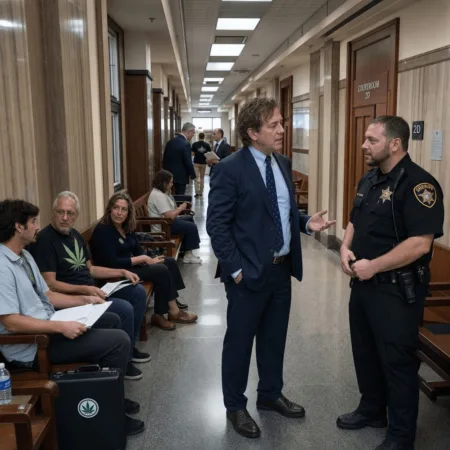
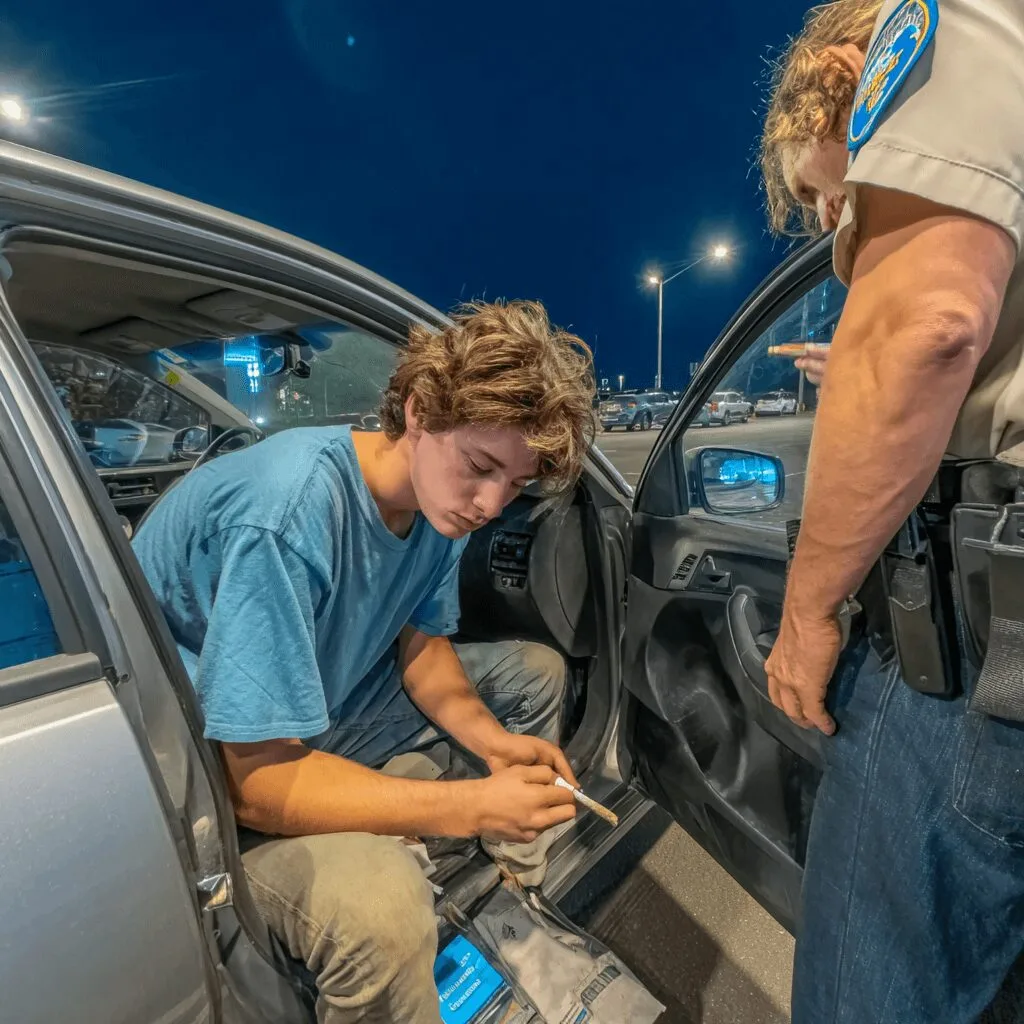
According to a detailed local report by the Tucson Sentinel, the story centers around the mayor’s son, who was pulled over by Tucson police after reportedly failing to obey a traffic signal late at night. Witnesses and officers noted signs consistent with marijuana impairment, such as red eyes and an unfocused demeanor. Upon approach, officers observed telltale evidence, including the smell of cannabis and remnants of a marijuana joint. This event unfolded much like recent high-profile incidents elsewhere in the country, such as the I-20 highway marijuana arrest that underscored ongoing cannabis debate. The individual reportedly struggled with certain elements of the field sobriety test—a common protocol highlighted by NHTSA’s “If You Feel Different, You Drive Different” campaign. After a roadside investigation and collection of physical evidence, the driver was taken for chemical testing. Legal charges were filed soon after, thrusting both the mayor’s reputation and law enforcement protocols into the limelight. The event was widely confirmed by the Tucson Police Department and covered by respected sources such as the Arizona Republic, making “Tucson mayor son DUI marijuana” a headline issue with repercussions for city politics, policing, and perceptions of cannabis use.
Expert Analysis: Cannabis Reform, Law, and a Culture in Transition
The Tucson mayor son DUI marijuana case offers a textbook example of the friction between new cannabis freedoms and longstanding legal controls. Many cannabis advocates point out that, while society has come a long way in normalizing marijuana, laws around impairment and consumption remain stuck in the past. “The challenge for enforcement is distinguishing between recent use and true impairment,” notes NORML policy analyst Paul Armentano. “Blood THC levels don’t always correlate with diminished driving ability, making enforcement confusing for both law enforcement and consumers.” This complexity was highlighted irrefutably in the Tucson case, as chemical sobriety tests for THC are notoriously unreliable and can result in false positives due to the compound’s lingering presence, according to studies reported by Leafly. Industry experts agree that education and responsible use campaigns lag behind legal changes, revealing a gap similar to what has been addressed through wider access to medical cannabis in Virginia. “We need public awareness that legalization doesn’t mean you can drive high,” said a Tucson-based cannabis educator cited by Marijuana Moment. “But the system has yet to catch up to science or community needs.”
Looking Forward: Progress, Lessons, and Legal Evolution
The “Tucson mayor son DUI marijuana” scandal has ignited an overdue conversation about the intersection of cannabis, law enforcement, and social expectations. While the case demonstrates that legalization doesn’t equal carte blanche for public use, it also underscores a growing call for smarter, science-based regulations. According to recent analysis by Cannabis Business Times, both Arizona and other states are investing in research and training to help officers distinguish actual impairment from mere presence of THC. As more Americans back reform and stigma continues to fade, this case serves as both a cautionary tale and a step toward future regulation that balances safety, justice, and personal freedom. The cannabis industry remains resilient and optimistic, learning from each controversy while fueling a more rational and fair approach to law and policy in the years ahead.
Originally reported by: tucsonsentinel.com