Trump marijuana regulation: What federal changes mean
Everyone in the cannabis space is buzzing about what’s next for federal weed policy. With Trump marijuana regulation heating up as a topic, we’re seeing renewed market action, policy intrigue, and activism. Whether you’re a patient, producer, investor, or just passionate about legalization, these recent moves could shake up everything from banking to social equity. Let’s break down why now matters, and how the former president’s evolving stance might impact every level of the cannabis stack, coast to coast.
Understanding the Roots: Background & Context
The Trump marijuana regulation conversation sits at the crossroads of deep history and a changing legal landscape. While state-level legalization accelerates, federal law lags behind. Cannabis remains classified as a Schedule I substance under the Federal Controlled Substances Act (CSA) according to the DEA. This creates a zig-zag of confusing regulations for entrepreneurs, patients, and consumers to navigate. States like Colorado, Washington, and California have paved their own regulatory roads (NCSL State Medical Marijuana Laws). Yet, the threat of federal crackdown looms, especially with changing political winds. National industry groups, including the National Organization for the Reform of Marijuana Laws (NORML), and outspoken activists continue pressuring lawmakers for clarity in banking, commerce, and social justice. The legal limbo impacts everything from criminal justice reform to access for veterans seeking alternative therapies—and even the rise of little-understood concerns such as marijuana scromiting symptoms among consumers is beginning to receive more attention. Recent polling from Pew Research highlights overwhelming support for some kind of legal adult use, setting the stage for today’s news.
Key Developments & Core Issues in Trump Marijuana Regulation
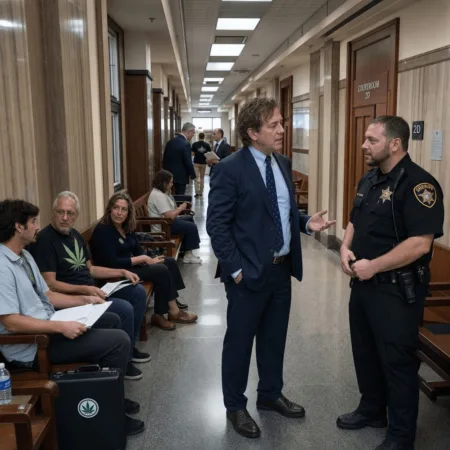
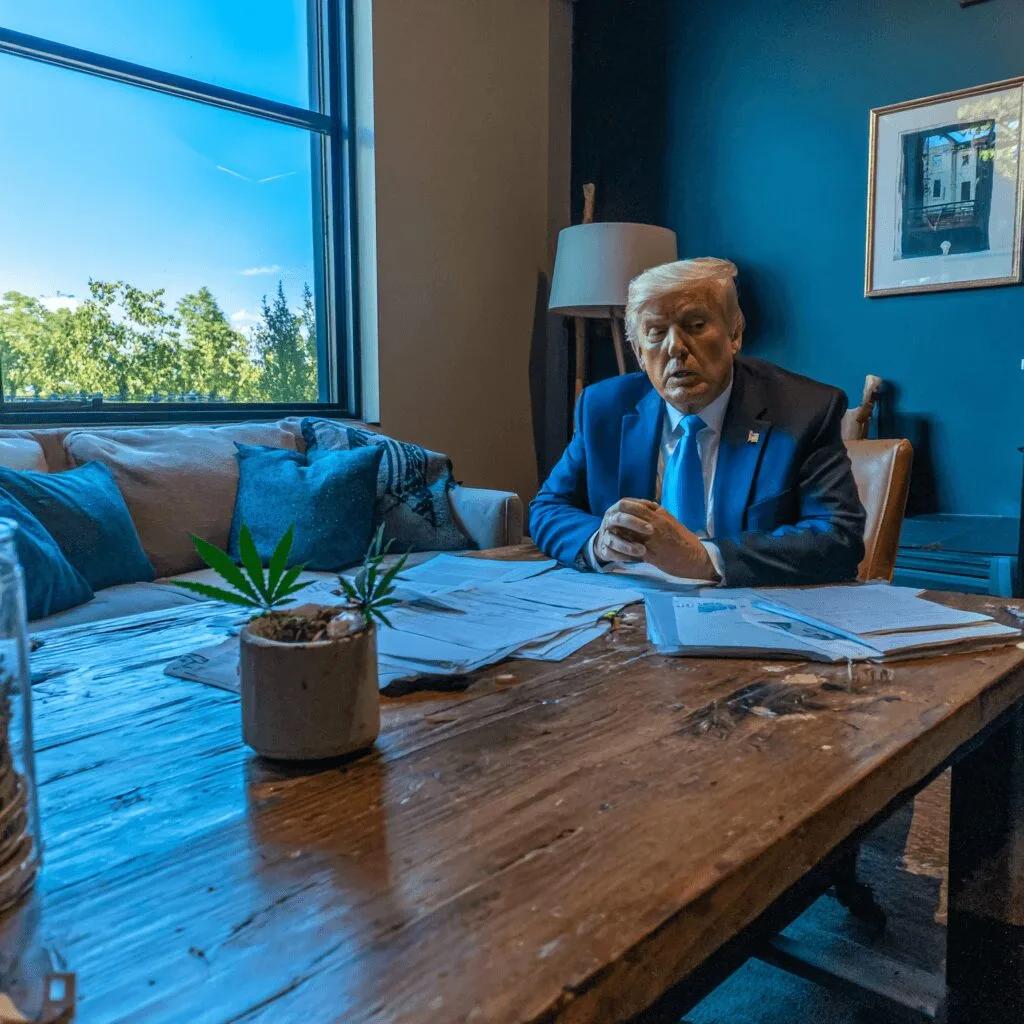
In an eye-opening twist, December 2025 brought a headline grabbing update: Donald Trump acknowledged he’s ‘very strongly considering loosening federal marijuana regulations’ (Cascadia Daily). According to reporting from credible news outlets, he pointed to bipartisan momentum in Congress, industry innovation, and mounting public support as real motivators for change. This statement was delivered during a press event alongside policy advisors and industry stakeholders. Trump stopped short of promising concrete legislation but signaled openness to either re-scheduling or de-scheduling cannabis at the federal level. That’s big talk, folks. Industry voices like the Marijuana Business Daily highlight how this dovetails with years of advocacy, SEC filings from public MSOs, and calls from state-level regulators to modernize enforcement—and, reflecting on state impacts, the move echoes recent changes seen in tribal initiatives such as the bold progress made by the Red Lake Cannabis Compact in Minnesota. The legal details get thorny fast. Currently, cannabis providers face devastating issues like restricted access to banking (due to federal anti-money laundering laws), interstate commerce bans, and heavy-handed IRS rules under 280E. An actual regulatory shift from the executive branch, even a strong signal, could influence the 2026 legislative agenda, investor confidence, and even small business grant eligibility. While nothing is inked yet, the fact that Trump marijuana regulation is being discussed so openly at national level marks a watershed for both cannabis normalization and regulatory risk reduction.
Expert Analysis & Pro-Cannabis Counterpoints
Industry analysts are cautiously optimistic. Cannabis attorney Sabrina Fendrick (formerly of NORML, quoted in Forbes) notes, “Movement from a political powerhouse like Trump can create space for real bipartisan reform, but also requires vigilance from advocates to ensure real equity measures are baked in.” Many industry vets echo the sentiment, policy signals are vital, but practical benefits come only with detailed follow-through. Legal experts emphasize that while talk is encouraging, complex barriers like IRS 280E taxation and FDA regulation still demand coordinated federal action. Still, the upside is enormous: normalization could mean safer supply chains, better research funding, and an end to years of systemic injustice. MJBiz Daily industry survey data shows 74% of respondents believe federal reform is now more likely within the coming years. Another dimension, according to analysts following legislative changes such as how Schedule III legality affects U.S. dispensaries, is that potential reclassification under Trump marijuana regulation could reshape daily business operations nationwide. So, while Congress naps on the issue, the culture and market roar ahead.
Future Outlook & the Big Picture
Bottom line: the signals coming from the Trump marijuana regulation discussion point toward real change—if the political will holds. Legalization momentum continues coast to coast, as 24 states now allow adult-use cannabis and nearly all recognize medical use (NCSL). With each new hint at federal action, the industry’s future gets brighter. More access, better regulation, and bolder innovation could soon define the landscape. As NORML and countless advocates remind us, progress comes in fits and starts, but the long arc bends toward justice. If policy leaders continue listening to science, community, and economic data, the cannabis sector could soon move out of legal gray zones for good. Stay tuned—because the next update could be historic.
Originally reported by: cascadiadaily.com