





Trump marijuana executive order: What does it mean for legalization?
The Trump marijuana executive order is turning heads across the cannabis industry and beyond. With cannabis swinging between old-school stigma and growing public embrace, this move couldn’t have landed at a juicier time. Between shifting federal winds, surging markets, and ongoing legalization pushes, everyone’s asking: What’s this executive order really mean for consumers, businesses, and policy? Buckle up as we unpack the background, the facts, and what it could mean for the future of weed in America.
Putting It In Context: The Regulatory Tug-of-War Behind Trump Marijuana Executive Order
Cannabis has been dancing around the gray zone for decades. Federally, it’s long sat in the infamous Schedule I category, labeled as having ‘no accepted medical use’ and ‘a high potential for abuse.’ That’s always clashed with state-level realities: 38 states and D.C. now let you light up for medical, and 24 are waving the flag for adult-use recreational, according to the National Conference of State Legislatures. The disconnect is massive. Banks are skittish, research is hobbled, and businesses straddle risk and reward every day. In this environment, any federal action, or even a hint of reform, sends shockwaves, and the Trump marijuana executive order is no exception. Recent state-level moves, such as changing stances in Tennessee, illustrate how local policies can impact the broader debate and influence perceptions of marijuana reform. What’s at stake? Billions in revenue, social justice for those hit hardest by the War on Drugs, and the rules that set the tone for the next big wave of U.S. legalization. Social opinion? Support for legal weed is sky-high, with Gallup’s latest poll clocking in at nearly 70%. If federal winds shift, it could ignite a domino effect. The Trump marijuana executive order could tip that balance, so it’s got the whole industry’s attention.
Major Developments: Breaking Down the Trump Marijuana Executive Order
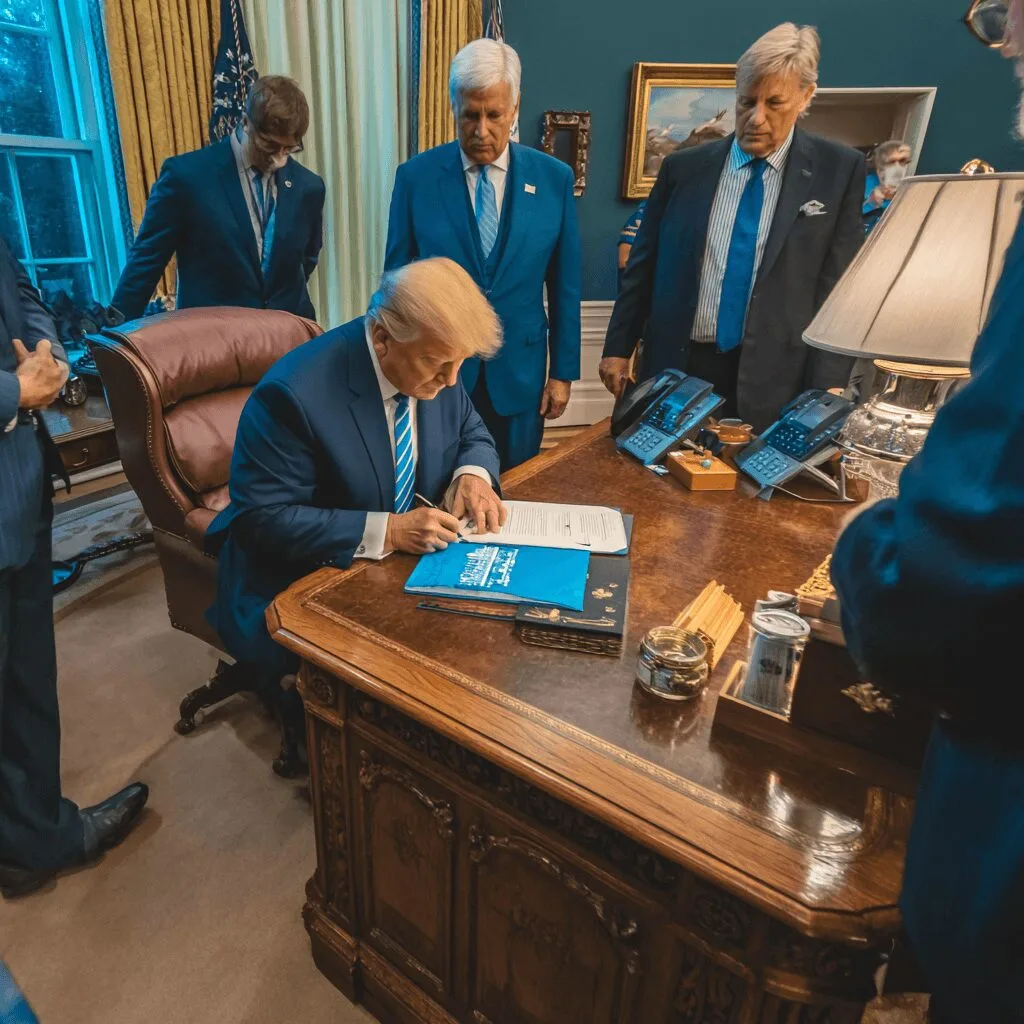
So what’s actually in the Trump marijuana executive order that has the cannabis world buzzing? According to official reports from the White House, President Trump signed an executive order directly addressing the federal classification of marijuana, aiming to evaluate and potentially adjust its current Schedule I status. This marks a dramatic pivot from decades of federal policy. White House insiders and senior advisors were reportedly present in the Oval Office during the signing, a rare direct executive branch move on drug control since the Nixon era. The order tasks the Drug Enforcement Administration and the Department of Health and Human Services with a 90-day review of the scientific, medical, and criminal justice implications of moving marijuana out of Schedule I. The action comes on the heels of growing calls from state leaders, industry groups, and legislators like the Congressional Cannabis Caucus, who’ve been demanding action for years. Meanwhile, as states like Missouri await federal clarity, there’s growing interest in how regional markets will respond to shifts in marijuana rescheduling. Critics point out that past executive signals haven’t always led to fast change, but industry groups, including the National Organization for the Reform of Marijuana Laws (NORML), hail the order as a major symbolic victory. The timing is key: with federal elections looming and public sentiment running high, the Trump marijuana executive order is suddenly the hottest ticket in policy theaters nationwide.
Industry Experts Weigh In: What the Trump Marijuana Executive Order Really Means
Let’s break down what’s at stake, straight from industry insiders. According to MJ Biz Daily, the Trump marijuana executive order may not trigger immediate full-scale legalization, but it could open the door for medical research, safer banking, and a much less risky playing field for cannabis businesses coast to coast. “The executive order signals the start of a new conversation at the federal level,” explains Dr. Amanda Reiman, a policy expert cited by Filter Magazine. “Even if it doesn’t lead straight to legalization, it validates the work advocates have done for decades.” The order also makes a splash for consumers, as talk of moving marijuana out of Schedule I could mean more widespread research into medical benefits and less paranoia about consuming, growing, or selling cannabis in legal states—offering hope for broader protection and progress especially in the workplace, where employer responsibilities are evolving fast. It’s a critical step for those hoping for an honest, fact-based national weed policy, rather than one anchored in old misconceptions and political maneuvering. The Trump marijuana executive order might have its skeptics, but as industry vet Shaleen Title says: “Every bit of progress counts, no matter who signs the papers.”
Where Do We Go From Here? A Bright Future for Legal Cannabis
What does it all add up to? The Trump marijuana executive order isn’t magic, but it’s a potent catalyst at a crucial crossroads. The American cannabis industry is bigger, bolder, and more resilient than ever, buoyed by record consumer support, strong profits, and growing legitimacy. According to New Frontier Data, U.S. cannabis sales could hit over $57 billion by 2030, making federal reform an economic inevitability. Meanwhile, state-level victories and shifting political tides mean the momentum is real—no matter how bumpy the road. As social acceptance grows and policymakers start catching up to public opinion, executive orders like this one push the conversation forward. Whether you’re a patient, a business owner, or simply pro-cannabis, the future is looking greener every day. Stay tuned, stay vocal, and keep rolling with the changes.
Originally reported by: whitehouse.gov



1 Comment
Pingback: Leadville dispensary fire: Shocking blaze stuns locals