





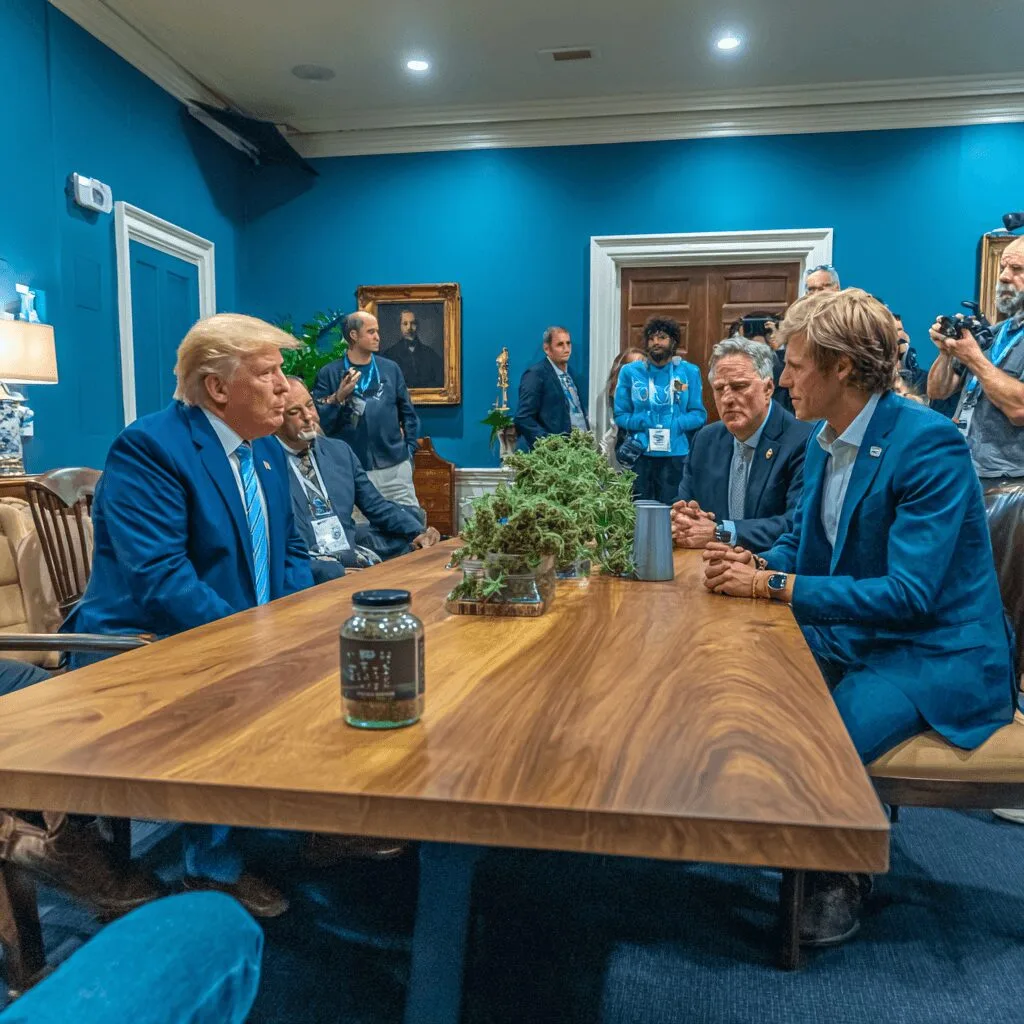
Trump marijuana executive order: What’s changing now?
The cannabis world is buzzing with the latest scoop on the Trump marijuana executive order. With the federal stance on marijuana long causing headaches for growers, retailers, and users alike, any change at this level is bound to turn heads. This week, reports hint that Donald Trump could be loosening the grip on marijuana restrictions, which could send shockwaves through the nation’s cannabis policies and industry. Whether you’re an old-school toker, an industry insider, or just watching the policy dance from the sidelines, these moves could shift everything from business regulations to criminal justice. Let’s roll up the facts and see what’s really sparking up now.
Setting the Stage: The Background Behind Federal Marijuana Policy
The Trump marijuana executive order, if signed, arrives at a moment when federal and state laws have never seemed more at odds. While 38 states and the District of Columbia have embraced medical marijuana, and 24 states have legalized it for recreational use, according to the National Conference of State Legislatures, cannabis remains a Schedule I substance federally. This means it carries the same legal weight as heroin, ironically making it riskier for banks and businesses to engage with the industry. Historically, efforts like the Rohrabacher–Farr amendment have given some protection to medical cannabis programs, but rescheduling and broader reform have stalled time and again. Public sentiment, meanwhile, keeps shifting in marijuana’s favor: a 2024 Pew Research Center survey found nearly 88% of Americans support legalization in some form. As new cannabis retail opportunities are emerging, the growth of online buying options is further setting the stage for disruption, and the Trump marijuana executive order could represent that spark.
Breaking Down the Trump Marijuana Executive Order: What’s Really Changing?
So what’s fueling all this talk about a Trump marijuana executive order? According to recent reports from KSL and other reputable outlets, former President Donald Trump is preparing to sign an executive order aimed at easing certain federal marijuana restrictions. The coverage suggests that the order could specifically address federal enforcement priorities, possibly directing the Department of Justice to deprioritize marijuana-related offenses in states where it’s legal. Further speculation points to language that might protect state-licensed cannabis businesses from federal prosecution. While specific details remain under wraps, the announcement has already ignited debates from Capitol Hill to dispensary back rooms. The order could layer on top of current Department of Justice guidance, like the now-rescinded Cole Memorandum, and if enacted, industry watchdogs expect legal ramifications for cannabis banking, business investment, and even criminal expungement, as discussed in recent debates on whether Trump can change cannabis law solo. These changes, whenever and however they manifest, would represent some of the most significant movement from the Oval Office on cannabis since the Controlled Substances Act of 1970. As always, the eyes of the cannabis world are glued to Washington, eager for the next puff of progress.
Expert Takes: What Does the Trump Marijuana Executive Order Really Mean?
Let’s not blow smoke, this order could have both immediate and long-term impacts on the industry. First, the most obvious shift would be a reduction in federal enforcement risks for businesses operating legally under state law, opening doors for expanded investment and safer banking practices. Secondly, diminished fear of shutdown from federal raids could spur new innovation across the market, especially for medical marijuana research. Leafly’s cannabis policy team points out that, “Executive orders alone can’t change existing federal law, but they send unmistakable signals to federal agencies, investors and lawmakers alike.” According to MJBizDaily, investor confidence closely tracks with presidential rhetoric and regulatory tone. As Dr. Amanda Reiman, public health expert and policy director for the cannabis industry, notes: “This is more than a symbolic move, investors, researchers, and patients will react to what happens next” (Marijuana Moment). However, since executive orders can be rescinded by future administrations, the long-term effect depends on accompanying legislative action. In the broader context of federal marijuana changes and how retailers gain from reform, market and legal advancements present big benefits for cannabis businesses. Still, every joint effort toward progressive reform counts, and this one could light a fire under Congress to push for clearer, bipartisan marijuana laws.
Looking Ahead: A Green Horizon for Cannabis?
Despite ongoing uncertainties, the Trump marijuana executive order signals a new era of federal flexibility. It underscores what industry veterans and advocates have known for years: cannabis is no longer a fringe issue but a major player in policy, economics, and public health debates. While executive action alone won’t erase the patchwork of state and federal contradictions, it could supercharge the push toward comprehensive reform—think safer access, better research, and more equitable justice. As NORML so often reminds us, positive change is never a straight line, but each step forward gets us closer to a rational and fair system. Buckle up: the road might get bumpy, but the journey toward mainstream cannabis acceptance just hit another high note.
Originally reported by: ksl.com



1 Comment
Pingback: Medical Marijuana Study Findings: Surprising New Insights