

Trauma Resilience Frontline: Real Stories & Powerful Insights
Trauma isn’t just a buzzword—it’s a daily reality on the trauma resilience frontline for countless first responders, healthcare pros, and communities in 2024. As cannabis earns respect for its therapeutic role, understanding the lived experiences of those who wrestle with trauma is critical. This frontline perspective reveals personal stories, explores the evolving relationship between cannabis, mental health, and policy, and uncovers why trauma resilience frontline issues are more urgent—and more hopeful—than ever.
Regulatory, Social, and Market Forces Shaping the Trauma Resilience Frontline
The trauma resilience frontline is shaped by overlapping social expectations, legal restrictions, and emerging science. In 2024, the cannabis sector sits at a fascinating crossroads, with legalization gaining momentum (source: NORML), and public demand for mental health solutions spiking. Yet, the stigma around cannabis and trauma remains sticky in policy and culture. U.S. regulators grapple with balancing medical cannabis access and federal prohibition (source: Cannabis Business Times, 2024), while clinical research steadily confirms therapeutic potentials for frontline workers and trauma survivors. On the ground, institutions and employers cautiously update rules regarding cannabis-friendly workplace accommodations and trauma care (source: NPR, 2023). These policy shifts echo broader economic changes, as state-level regulations and cannabis industry taxes begin to shape local economies—a development explored in recent statistics on cannabis tax revenue. As social acceptance widens, a fresh approach to trauma resilience frontline support is not just overdue, it’s inevitable.
Recent Developments & Real Issues on the Trauma Resilience Frontline
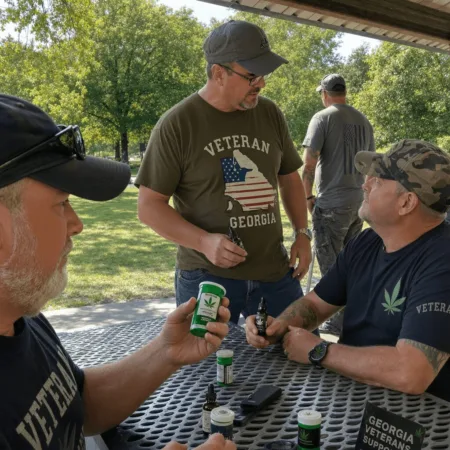
Across the trauma resilience frontline, stories are stepping into the light. First responders, military veterans, and medical professionals candidly share how repeated exposure to crisis shapes their mental health. According to The Times of Israel, frontline experts have described that emotional injuries remain largely invisible, fueling silence and shame even in 2024. Yet, a tide is turning, as legislation in states like Illinois and California now specifically considers PTSD and trauma-related conditions as qualifying for medical cannabis (source: Illinois.gov, 2024). Supported by recent figures from Marijuana Moment, workplace accommodations for cannabis patients with trauma histories are quietly expanding. Institutions are launching trauma-informed training and mental health support for employees, recognizing the risks of compassion fatigue and burnout. In places with ongoing legal debates—such as those highlighted by the latest reactions of lawmakers in North Carolina—the challenge is balancing reform with practical support for frontline workers. Workers across the trauma resilience frontline increasingly report that plant-based therapies, including cannabis, offer real relief where conventional interventions fall short. This shift is amplified by research from the Journal of Cannabis and Cannabinoid Research, where trauma resilience frontline practitioners describe cannabis as non-stigmatizing and balancing in ways synthetic drugs often can’t match.
Expert Analysis, Cannabis Culture, and the Human Side of Trauma Resilience Frontline Work
The trauma resilience frontline has always been a tough gig. As Dr. Sue Sisley, a veteran cannabis clinician, says, “Our data is finally catching up with what patients have long reported: cannabis is a crucial tool for trauma resilience frontline workers, especially where conventional meds fail.” (Benzinga, 2024). Across communities, the slow cultural embrace of cannabis is dissolving old narratives, reshaping trauma discussions from hush-hush confessions into real talk. For many on the trauma resilience frontline, cannabis means more than symptom management—it’s about dignity, agency, and reconnecting after moments that would rattle anyone. Major cannabis publications (source: Leafly) report a growing subculture, with frontline pros swapping cannabis stories, new legal risks, and practical tips, out in the open. With this cultural shift, thriving during challenging times has become essential, as detailed in analysis of why cannabis industry culture is the secret to success today. Still, experts caution, regulatory lag means disparities in access persist, particularly for minority providers and underserved communities. But as cannabis science grows up, the debate is shifting, from whether to support the trauma resilience frontline with cannabis to how best to do so—ethically, safely, and effectively.
Looking Ahead: Hope and Humanity on the Trauma Resilience Frontline
As we step deeper into 2024, the future for the trauma resilience frontline has never looked more promising—or more human. Growing acceptance, new workplace standards, and science-based policy all light the path. According to NORML’s 2024 update, over two-thirds of Americans now support medical cannabis, pushing institutions to rethink trauma support. The stories from the trauma resilience frontline aren’t just inspiring—they’re rewriting how society understands healing, community, and cannabis. With greater openness comes more personalized care, safer workplaces, and bigger conversations about justice. As stigma fizzles out, healing can move from the shadows into the sunshine, one honest story at a time.
Originally reported by: blogs.timesofisrael.com