Toledo child endangerment arrest: Shocking details emerge
The Toledo child endangerment arrest is sparking heated conversations across communities, cannabis advocates, and policymakers alike. This story isn’t just about a local crime—it’s about the intersection of social issues, public perceptions of cannabis, and the future of legal and responsible cannabis use in America. As more families navigate changing laws and evolving norms, cases like this highlight why regulation, education, and nuanced understanding matter so much right now.
The Social and Regulatory Landscape of Cannabis and Family Law
Ohio’s evolving cannabis regulations remain front and center as the state moves towards expanded access, while balancing strict protections for minors. According to NORML, medical cannabis is legal in Ohio, with adult-use legalization efforts gaining traction. Still, lawmakers and courts are grappling with how cannabis is treated in family and child welfare cases, a debate seen not just in Ohio but nationally. Reports by Marijuana Policy Project show that accusations of endangerment often hinge on environmental safety and parental supervision, regardless of the adult’s cannabis status. New regulatory measures, like those evolving for hemp-derived beverages, have drawn attention to changes in what Ohio residents can legally buy and consume, a topic further explored in how changes to Ohio’s laws are shaking up THC and hemp drink products. This creates a chilly climate for anyone navigating both family life and legal cannabis use, especially where stigma lingers.
Key Developments in the Toledo Child Endangerment Arrest
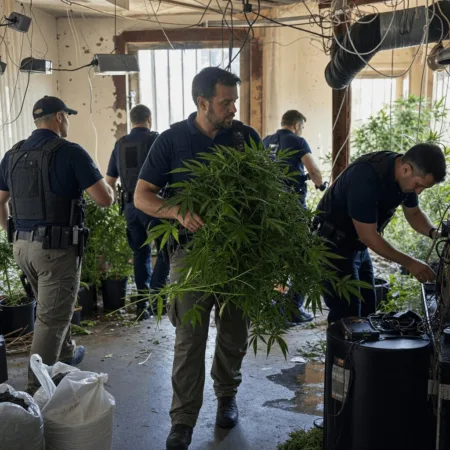
On March 21, 2026, Toledo police responded to a home after receiving reports of possible neglect. According to 13abc News, officers discovered five children living in seriously unsafe conditions, sparking the Toledo child endangerment arrest. Police found clutter, broken furniture, and unsanitary spaces. In the same living space, there were remnants of cannabis—including glass jars, rolling papers, and a pipe—within reach of both kids and adults. The adult woman present was immediately arrested and charged with multiple counts of child endangerment. For Ohioans thinking about how local zoning and compliance influence cannabis culture and neighborhood life, this case echoes ongoing questions addressed in recent discussions about dispensary zoning and local rules. Authorities are currently investigating the full extent of the children’s exposure and other risk factors in the home. Debate about the arrest and its broader implications continues among community advocates and policymakers.
Expert Analysis, Broader Insights, and the Pro-Cannabis Perspective
From an expert standpoint, the Toledo child endangerment arrest spotlights two issues: real child neglect and persistent stigma around cannabis. It’s critical to separate responsible cannabis use from actual endangerment. As Leafly explains: “Cannabis in a household, like any adult substance, demands responsible storage, mature conversations, and no tolerance for exposure to children.” Yet we frequently see legal actions where cannabis is present overshadow root causes of endangerment. Industry veteran Paul Armentano of NORML said, “Criminalizing parents solely for responsible cannabis use does more harm than good—it’s real neglect, not cannabis, that should guide intervention.” The broader lesson is this: Let’s keep our focus on ensuring child safety and parental education while advocating for sensible, evidence-based cannabis laws. For readers interested in the evolving dialogue about cannabis’s health impact, particularly around mental health, it’s worth reviewing research on cannabis’s effects on anxiety and depression, which shows the diversity of opinion and evidence in the field.
Outlook: Progress for the Cannabis Community & Responsible Parenting
Despite the shock around the Toledo child endangerment arrest, this story can push the cannabis industry and society forward. Parents, advocates, and regulators now have a renewed chance to collaborate around better education, storage, and public messaging. Reports from Drug Policy Alliance suggest many states are moving toward science-backed approaches—emphasizing harm reduction, parental rights, and smart regulation over stigma. With Ohio reviewing its cannabis and child welfare policies, this could be a turning point toward fair, balanced, and safer solutions for all families. As education grows and legal norms evolve, responsible cannabis advocates remain hopeful that stories like this will prompt progress, empathy, and positive change.
Originally reported by: 13abc.com