



Why Public School Parents Must Know About Title I Funding
Let’s be real: the topic of Title I funding is blowing up in education circles—and it’s about time. As public school parents, you’ve probably heard the buzz, maybe in news headlines, school board meetings, or even during pick-up duty. But here’s the twist: Title I funds don’t just keep the lights on—they shape the quality of your kids’ schools, their resources, and, ultimately, their opportunities. In a moment where educational equity is under the spotlight, understanding this funding helps public school parents advocate for fair treatment, greater transparency, and a brighter future for every student, especially when many communities also juggle evolving perspectives on cannabis and its impact on parenting, advocacy, and local policy. Let’s break down what’s really going on and why it matters for you right now.
How Title I Works: Regulatory Roots and Social Stakes
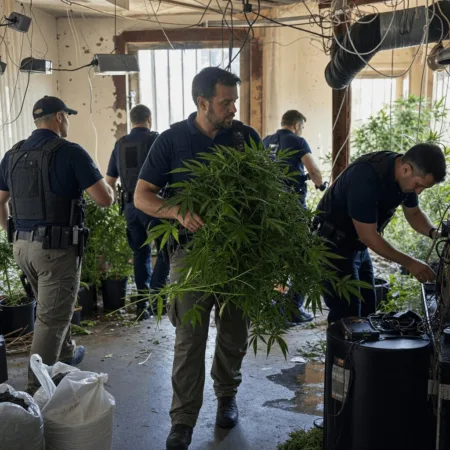
Title I is the federal government’s show of support for educational equity, rooted in the Elementary and Secondary Education Act (ESEA). Congress designed Title I to channel needed resources into districts serving large numbers of lower-income families. Every year, billions flow from the U.S. Department of Education to local schools. These dollars are meant to close gaps in academic achievement and make sure public school parents, regardless of zip code, see their kids thrive. According to Public School Review, over 56,000 schools benefit from these funds, but allocation remains tied to complex formulas and at times, a bit of political wrangling. Meanwhile, the rise of more open discussions around cannabis acceptance, even among parent populations, adds new layers to how advocacy looks and what priorities parents set on school policy boards, community events, and district planning. In many urban hubs, cannabis and education activism now intersect, raising fresh questions and opportunities about family engagement and equitable funding decisions. For example, the increased intersection of marijuana traffic-related incidents and their repercussions for advocacy and policy debates in 2024 can be seen in 2024 community reactions to marijuana traffic stops, highlighting how developments outside of school walls still impact public school parents and kids.
Key Developments Shaping Title I for Public School Parents in 2024
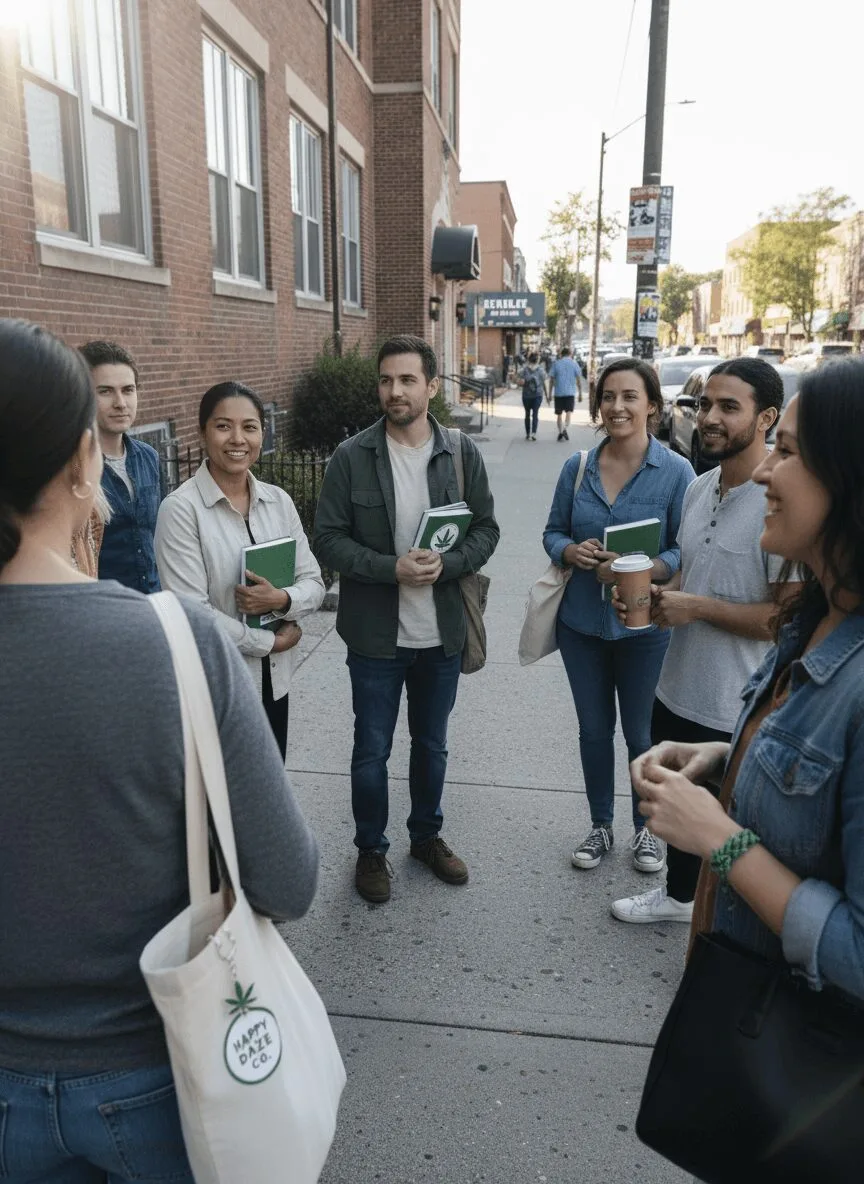
According to a recent in-depth feature by Hill Rag, Title I distribution and transparency are facing renewed scrutiny in 2024. Public school parents are increasingly vocal about inconsistencies in fund allocation between schools in the same district. This has led to mounting demands for district-level breakdowns and community input on how funds are used. The article highlights a pivotal moment: DC’s 2024 school budget process, where debates over allocation formulas, especially those serving neighborhoods impacted by economic challenges, were front and center. Several parent-led groups have stepped up, calling for detailed school-by-school spending reports and clearer communication. This push echoes national movements, as seen in Education Week’s reporting, where similar tensions around Title I formula changes have surfaced in states like Illinois and California. The Hill Rag coverage underscores one big thing, more public school parents are showing up (sometimes with coffee, occasionally in green-themed gear) and demanding a seat at the table. The cannabis angle? A growing coalition of parents sees normalization as part of the fight for social justice and equal resources, not a distraction. These reforms connect with broader discussions on whether Chicago neighborhoods are seeing true progress with recent equity measures, as explored in the evolving landscape of Illinois cannabis equity.
Expert Insights: Advocacy, Cannabis Culture, and Parent Power
When it comes to education dollars, transparency is good policy. But here’s the thing, public school parents don’t just want clear budgets, they want a system that reflects the realities of modern families, including those involved in cannabis advocacy or working in related industries. That means pushing for open data, while also embracing the lived experiences and needs of a diverse school community. As Marijuana Moment reports, cannabis normalization is increasingly shaping local priorities for public school parents, shifting conversations about equity and wellness in schools. Lisa Smith, founder of Parents for Progress, puts it bluntly: “If we want real transparency and fairness in Title I spending, we need to invite every kind of parent voice, whether they sport a cannabis charm, run a local dispensary, or champion harm reduction on the PTA. It’s about justice for all our kids.” These insights echo commentary in Leafly’s education features and reporting from Chalkbeat on parent-led school funding reforms. In communities where cannabis is part of everyday life, activism around Title I funding and normalization go hand in hand, creating strong, determined advocacy movements. This mirrors broader national policy debates, such as those triggered by attorney generals challenging marijuana scheduling changes, as detailed in the recent national policy showdown over marijuana rescheduling.
Looking Ahead: Public School Parents, Cannabis Advocacy, and the Fight for Fair Funding
The path forward is full of promise. As public school parents continue to organize for just, transparent use of Title I funds, there’s real momentum to make federal dollars work harder and smarter for every kid. The shift toward social acceptance of cannabis (reported by Pew Research Center) is shaping new conversations about family policy, advocacy, and what it means to show up for your school community. With more parents at the table, willing to share their real stories—textbooks in hand, sustainable bags on shoulder, and an open mind about what education means in 2024—the future is bright. Expect bolder, braver advocacy for equity, more dynamic school communities, and continued growth for the cannabis industry as part of America’s changing social fabric. It’s a wild ride, but one that’s full of hope, humor, and a dash of green-fueled optimism for every public school parent fighting for what matters most.
Originally reported by: hillrag.com