




Republican AGs marijuana rescheduling sparks heated debate
The conversation about marijuana is intensifying, and it’s not your typical mellow session. Republican AGs marijuana rescheduling has grabbed headlines, adding fresh heat and complexity to the nation’s ongoing dialogue around cannabis reform. As policymakers debate changes that could redefine legal access and business rules, industry insiders, everyday users, and legal experts are all watching closely. This issue merges politics, public health, and business, with far-reaching consequences across the US, making it a must-watch development in today’s ever-shifting cannabis landscape.
Background: How Republican AGs Marijuana Rescheduling Got So Contentious
The ongoing saga around Republican AGs marijuana rescheduling is rooted in decades of federal prohibition. Currently, cannabis sits in the notorious Schedule I category under the Controlled Substances Act (CSA), per the DEA. That’s the same space reserved for drugs officially regarded as having “no medical use” and “high abuse potential.” Despite this, plenty of states have launched their own legalization or medical programs, creating a confusing patchwork of laws. According to the National Conference of State Legislatures, over 35 states now allow some form of legal cannabis use, setting the stage for federal-state conflict. For example, in recent years, the discussion about whether legal changes in places like Hawaii could trigger a turning point for cannabis reform has intensified, showing how state efforts further complicate the national conversation.
Against this background, agencies and advocacy groups have pushed for change, while events such as street demonstrations elsewhere remind us how drug policy debates intersect with broader questions of freedom and public sentiment, much like the support for protesters seen in Paris has echoed worldwide. This pressure intensified after President Biden called for a review of marijuana’s federal status, urging agencies to consider science, not stigma. Republican AGs marijuana rescheduling now stands at the center of a nationwide regulatory and cultural fight, fueled by evolving science and shifting voter sentiment. Meanwhile, law enforcement groups and certain conservative voices remain skeptical, citing public safety and federal consistency concerns. The result is a dynamic, and sometimes chaotic, bid for a modern cannabis framework.
Key Developments: Republican AGs Challenge Federal Marijuana Reform
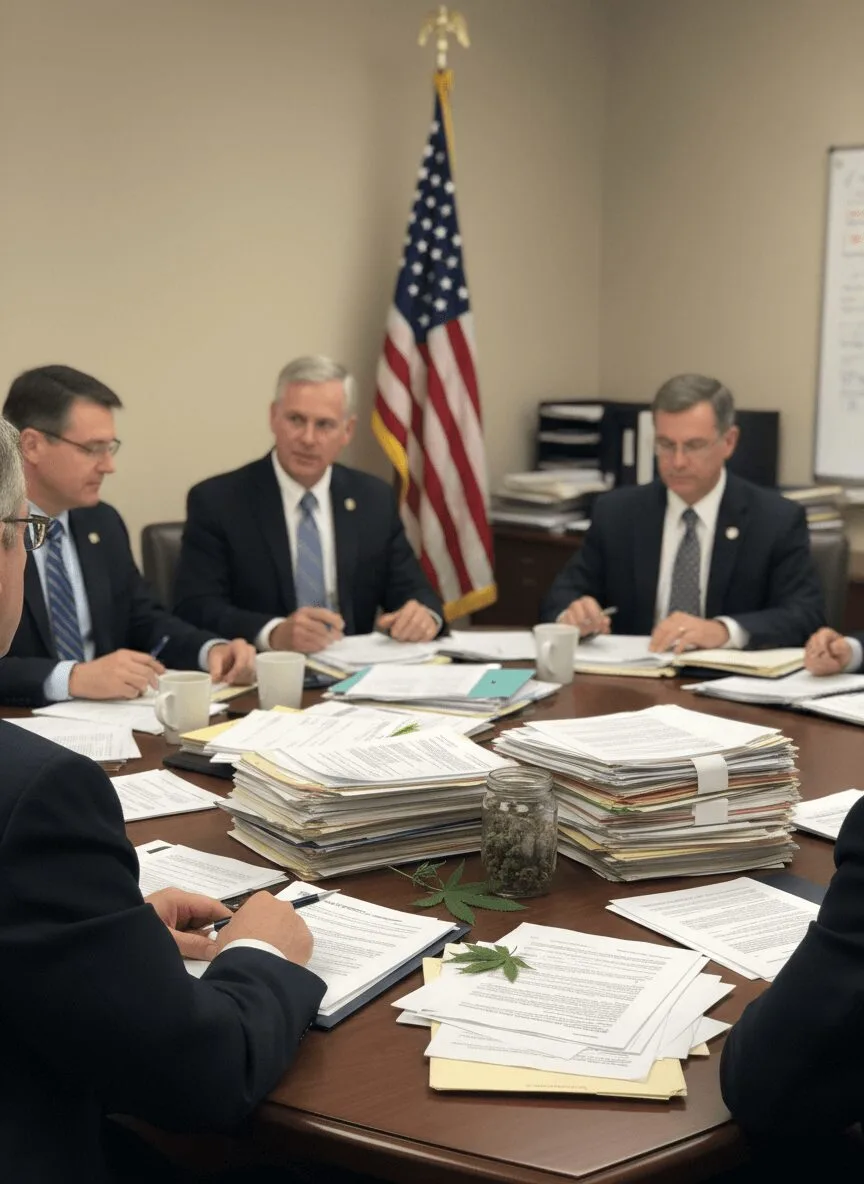
Here’s the deal: In late May 2024, a coalition of nearly a dozen Republican attorneys general publicly opposed the Biden administration’s push to reschedule marijuana from Schedule I to Schedule III. Their letter, sent directly to top federal agencies, as reported by Mondaq, argued that rescheduling would bypass Congress and undermine existing federal drug policy. The AGs from states like Alabama, Arkansas, and Louisiana insisted that such a move “ignores the law and puts public health at risk,” sparking fresh debate in legal circles. The letter specifically highlighted their fear that rescheduling could slacken law enforcement efforts and create a surge of cannabis-related business activities that remain illegal at the federal level, which is similar to concerns around changing laws and enforcement, such as when traffic stops raise new questions about cannabis policy as seen recently.
During the same period, the U.S. Department of Justice (DOJ) and the Drug Enforcement Administration (DEA) were actively conducting their rescheduling review, with powerful momentum from evolving scientific consensus and decades of state-level experimentation. According to Marijuana Moment, the docket has received thousands of public comments both in support and opposition. Meanwhile, national cannabis businesses—including leading multi-state operators—have stepped up advocacy efforts, hoping rescheduling will finally bring banking access, tax relief (goodbye, 280E!), and unlock research barriers holding the industry back. High-stakes lawsuits, regulatory memos, and strong lobbying tactics make this one of the most high-profile issues in today’s cannabis market. As federal changes stir industry hopes, innovations in medical cannabis research continue to emerge nationwide with increased focus on new research opportunities.
Expert Analysis: What Republican AGs Marijuana Rescheduling Means for the Industry
So, is this another buzzkill? Not so fast. While the opposition from Republican AGs is fierce, it’s just one chapter in the evolving cannabis saga. Industry analysts point out that resistance to reform is expected, and often temporary, when big change looms. According to cannabis law expert Harris Bricken, “Whenever there’s a chance for federal change, there’s always a vocal crowd worried about precedent. But the arc of cannabis law always bends toward legitimacy and public health,” (Canna Law Blog).
Supporters argue that Republican AGs marijuana rescheduling pushback signals how impactful federal reform could be. The regulatory domino effect would be massive: more access to research, clarity for medical patients, and growth for local businesses. According to Leafly, industry experts predict rescheduling would unlock financial services for legitimate operators, increase state tax revenues, and encourage policy innovation nationwide. It’s a rare moment when doctors, business owners, and cannabis patients find common cause with legal experts on both sides of the aisle. In the words of industry analyst Tom Angell, “Rescheduling is not the finish line, but it’s a vital step toward rational cannabis policy in America,” (Marijuana Moment). As states like Texas experience rapid growth and new business opportunities in their medical markets, the surge across the state demonstrates the broader implications of shifting federal policy for local economies and patient access.
Future Outlook: Why Optimism Remains Despite Fierce Debate
The fierce debate over Republican AGs marijuana rescheduling might sound like major friction, but it’s also proof that cannabis reform is officially mainstream. Industry history shows the loudest objections often come right before big change. As more voters signal support and more states embrace reform, the odds tilt toward progress. According to data from the National Organization for the Reform of Marijuana Laws (NORML), public approval for at least medical cannabis rescheduling is at historic highs. While it will take ongoing negotiation and education, the cannabis industry’s future is bright—brighter than a grow room at noon.
Whether you’re an entrepreneur, patient, or average voter, expect more lively debates and (eventually) saner policy ahead. Republican AGs marijuana rescheduling may have sparked heated words, but at the end of the day, it’s proof that change is burning brighter on the national stage.
Originally reported by: mondaq.com