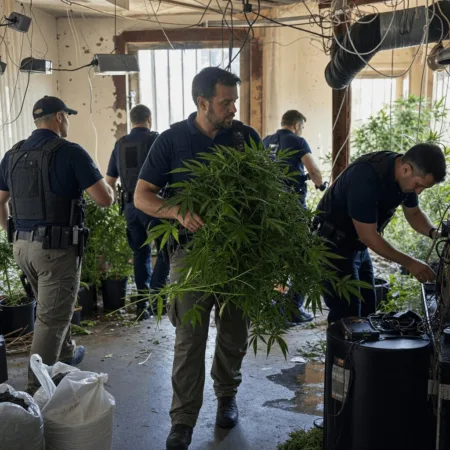
Tifton Marijuana Traffic Stop Uncovers Massive Stash
If you’re following the evolving relationship between cannabis, the law, and southern culture, the recent Tifton marijuana traffic stop is more than just a headline—it’s a sign of the times. It’s yet another example of the collision between old-school law enforcement and modern cannabis realities. Whether you see this episode as a bust or a missed opportunity, it’s part of a bigger industry conversation—shifting state laws, booming markets, and, yes, the South’s unique approach to marijuana enforcement. We’ll get into what happened, why it matters right now, and how the Tifton marijuana traffic stop could fuel deeper changes.
The Legal Backdrop: Cannabis Reform & Enforcement in Georgia
To really get what’s at stake with the Tifton marijuana traffic stop, you need context. Georgia, like much of the Southeast, is still a hotbed of strict marijuana regulation. Even as NORML and major public health groups show evolving public support for reform, possession of just an ounce in Georgia can mean jail time. While a medical cannabis framework exists, it’s highly restrictive, allowing only low-THC oil and leaving most would-be patients underserved. Against a backdrop of neighboring states easing rules and a national market exploding past $30 billion according to New Frontier Data, Georgia’s approach means traffic stops remain real flashpoints. Police prioritize highway interdiction, especially along I-75 corridors used for distribution throughout the Southeast, and cannabis advocates know these stops often yield more headlines than harm reduction. This is reminiscent of how drug enforcement controversies in other regions, such as the recent Washington County meth trafficking case, have sparked debate about policy and enforcement. This context sets the stage for understanding the scale and surprise of the Tifton marijuana traffic stop.
Breaking Down the Tifton Marijuana Traffic Stop: What Happened?
According to WALB News, the Tifton marijuana traffic stop took place on September 12, 2025, along a rural stretch outside Tifton, Georgia. Law enforcement officers, working routine highway patrol, pulled over a worn SUV for a minor traffic violation. Things quickly escalated. Officers reported detecting a strong odor and visible nervousness from the driver, a middle-aged man later identified as a resident from Florida. Upon inspection, police discovered over 400 pounds of vacuum-sealed marijuana packages packed into the vehicle’s trunk and rear seats.
The driver was immediately detained and now faces felony trafficking charges under the Georgia Controlled Substances Act, a statute known for its harsh penalties. Authorities told WALB this marks one of the largest roadside seizures in Tift County’s recent history. As usual, the bust made local news within hours and reignited debate over policing priorities, interstate cannabis smuggling, and the future of southern prohibition. High-profile cases like this echo recent incidents in other states, such as when law enforcement seized both cannabis and cash during a major trafficking arrest in a neighboring community. The Tifton marijuana traffic stop represents just one of dozens of similar incidents reported across Georgia highways this year, painting a picture of a state caught between federal trends and local enforcement realities (Atlanta Journal-Constitution).
Expert Analysis & Cannabis Industry Perspective
So, what’s the bigger takeaway from this Tifton marijuana traffic stop? Let’s get real, seizing hundreds of pounds of flower on a rural highway grabs headlines. But beneath the news alerts lies a much deeper industry reality. States with tighter restrictions inevitably become routes for both legal and illicit trafficking. According to the Marijuana Policy Project, inconsistent regulations keep black markets alive, fueling highway interdictions that often sweep up both minor offenders and big movers.
Quoted in a report from MJBizDaily, cannabis policy expert Dr. Lexi Williams noted, “Prohibition states don’t just interrupt supply, they incentivize dangerous movement and risky behavior on public roads. Until laws catch up with consumer demand, these flashpoints will continue.” This perspective matches industry sentiment that the core issue isn’t cannabis itself, but an outdated legal patchwork. Similar debates about law enforcement techniques and community safety followed the Provo Canyon tragedy, where police action around a fatal crash drew regional scrutiny. The Tifton marijuana traffic stop puts a literal spotlight on those cracks, highlighting the tension between state and federal law and showing how enforcement tactics lag behind public opinion and industry trends.
Looking Forward: Changing Tides & A Path to Progress
Despite the headlines, the Tifton marijuana traffic stop is already fueling conversations far beyond Tift County. As more states establish legal markets, southern law enforcement stands at a crossroads. According to Leafly News, public support for reform in Georgia and neighboring states is growing every year, pushing lawmakers to reconsider harsh penalties and enforcement-heavy strategies. With neighboring Florida and medical programs spreading throughout the South, industry leaders foresee a near-future when costly interdictions give way to smarter regulation and broader social acceptance. Ultimately, the Tifton marijuana traffic stop isn’t just a roadside event—it’s part of a bigger movement toward a more rational, just, and modern cannabis culture. Expect this story to echo in future debates—fueling calls for policy change, new business opportunity, and, hopefully, fewer headlines about seized loads and shattered lives. As Georgia’s cannabis story unfolds, this stop will be remembered as both a cautionary tale and a signal that the times, they are a’ changing.
Originally reported by: walb.com