





The Marijuana Banking Bill: A Deeper Dive
Hey there, fellow cannabis enthusiasts! Today, we’re going to roll up our sleeves and get into the nitty-gritty of the Marijuana Banking Bill. This legislation has been making waves, and we want to break it down for you in a way that’s as smooth as a perfectly rolled joint.
Understanding the Marijuana Banking Bill
So, what exactly is this Marijuana Banking Bill we keep hearing about? Well, my friend, it’s all about bringing some much-needed financial clarity to the cannabis industry. You see, in states where marijuana is legal, cannabis businesses face a tricky situation. They can’t just walk into a bank like you and me because, on a federal level, marijuana is still a no-go.
Now, let’s get into the Senator Warnock angle. He’s the lone Democrat who raised an eyebrow and cast his vote against this bill during a Senate committee markup. But why, you ask?
Senator Warnock’s Stand
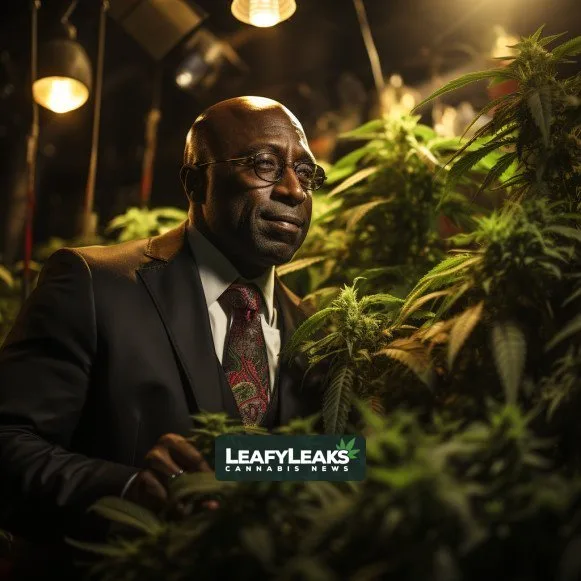
Senator Raphael Warnock from Georgia isn’t just a regular politician. He’s got some serious concerns about this bill, and he’s not afraid to voice them. In a recent interview, he explained that his vote against the Marijuana Banking Bill was all about making things right in terms of equity and justice. He’s worried that if the bill passes without addressing these critical issues, we’ll be missing the bigger picture.
Warnock pointed out something crucial during his interview on Crooked Media’s Lovett or Leave It podcast. He emphasized that black and brown communities, especially, have been deeply affected by the so-called “war on drugs.” And you know what? Marijuana played a significant role in that unjust war.
The Secure and Fair Enforcement Regulation (SAFER) Banking Act
Now, let’s talk about the Secure and Fair Enforcement Regulation (SAFER) Banking Act. This is the bill at the center of the storm. Its primary goal is to protect banks that want to serve state-legal marijuana markets from running afoul of federal regulators. It creates a safe space for banks and cannabis businesses to engage in financial transactions without the fear of federal reprisals.
But here’s the kicker – Warnock believes that while this bill helps banks and businesses, it doesn’t do much for the communities hit hardest by the war on drugs. It’s like giving the keys to the party to everyone but forgetting to invite the guest of honor.
The senator’s question is simple but profound: “Who are we really making safer with this bill?” It’s a valid point to consider. While it may make life easier for banks and businesses, it’s essential to address the historical injustices that have disproportionately affected certain communities.
Warnock’s Proposed Amendments
Warnock wasn’t just a lone voice in the wilderness. He came to the table with some ideas to make this bill more equitable. One of his proposed amendments would have put an expiration date on the bill. It’s like saying, “Hey, if you want this bill to stick around, prove that it’s actually closing the racial wealth gap and making amends for the economic damage caused by the drug war.”
Another one of his proposed amendments would have required the government to study the “racial wealth gap and the percentage of minority-owned cannabis-related businesses before and after the passage of the SAFER Banking Act.” In essence, he wanted a clear understanding of how this bill would impact communities of color.
Why Warnock Is Holding Out
Now, here’s the kicker. Warnock isn’t against easing federal restrictions on cannabis. In fact, he’s all for it. But he wants a more comprehensive approach. He believes that this bill, as it stands, doesn’t go far enough in addressing restorative justice. It’s like trying to roll the perfect joint but realizing you’re missing a crucial ingredient.
During his interview with Jon Lovett, a former speechwriter for President Barack Obama, Warnock reiterated his stance. He understands the need to move things forward, but he’s determined to pair justice with common sense so that everyone can benefit.
A Call for a Cannabis Marshall Plan
Warnock doesn’t stop at pointing out the problem; he also offers a solution. He suggests that as the war on drugs becomes a thing of the past, the United States needs something akin to the Marshall Plan. You know, like the massive post-World War II aid program that helped war-torn countries rebuild.
In Warnock’s eyes, some Black and brown communities in cities like Atlanta, St. Louis, Chicago, and South Central could use a similar plan. They need recognition and support to recover from the damage done by unjust drug policies.
He doesn’t mince words when he highlights the issue of mass incarceration in the United States. We’re talking about a country with just 6 percent of the world’s population but warehouses around 50 percent of the world’s prisoners. It’s a staggering statistic that demands attention.
Watching the Racial Wealth Gap Grow
From his position on the Banking Committee, Warnock feels like he’s watching leaders perpetuate the racial wealth gap even as they discuss marijuana reform. It’s like witnessing a slow-motion train wreck, and he’s calling it out.
Now, let’s shift gears and talk about the odds of this bill passing. According to a recent Canvass Capitol Hill survey, just 13 percent of congressional staffers believe a marijuana banking bill will pass this year. The political divide is clear, with 18 percent of Democratic staffers being somewhat optimistic compared to just 9 percent of GOP staff.
Schumer’s Plan to Move Things Along
Senate Majority Leader Chuck Schumer isn’t one to back down from a challenge. He’s committed to bringing this legislation to the Senate floor and, hopefully, passing it. But he’s not stopping there. Schumer has plans to amend the SAFER Banking Act to include state and local cannabis expungements and gun rights for marijuana users.
Republican Pushback
On the other side of the aisle, we’ve got Republican Senators like Chuck Grassley and Tom Cotton raising concerns. They’re worried about relaxing marijuana laws and see it as a higher priority to permanently prohibit fentanyl analogs.
The Voices of Bipartisanship
Amidst all this political maneuvering, a coalition of 22 state attorneys general is calling on Congress to pass cannabis banking reform. It’s a rare moment of bipartisanship in an otherwise divided landscape.
Wrapping It Up
So, there you have it, my fellow cannabis connoisseur. The Marijuana Banking Bill is a mixed bag of opportunities and challenges. While it aims to bring financial legitimacy to the cannabis industry, it’s clear that the fight for equity and justice is far from over. Thanks to Senator Warnock for shining a light on these important issues.
Author’s Note: Thanks to Ben Adlin for reporting on this matter. Your insights are greatly appreciated!


