THC Vape Student Arrest: Shocking School Incident Revealed
The recent headline-grabbing THC vape student arrest shakes up the national conversation on cannabis and public schools. As more states reshape cannabis laws, parental worries and educational policy get tangled up with market realities. With this story, we dive deep into why the incident matters now—highlighting fast-evolving regulations, student access, and the ongoing clash between old-school zero-tolerance and a new wave of cannabis acceptance. Stick with us as we unpack what happened, why it matters, and what’s next for the cannabis industry as it faces scrutiny—and opportunities—in schools and communities nationwide.
Cannabis, Vaping, and Youth: Background & Context
Let’s set the scene. Over the past decade, America has witnessed a seismic shift in cannabis regulation and culture. According to NORML’s legalization statistics, more than half of US states now permit some form of legal cannabis. With that rise come new consumer products, including THC vapes, which have carved out a huge share of the market, especially among younger adults. The conversation in Pennsylvania has also intensified in the wake of new reforms to the Cannabis Control Board, influencing policy direction across schools and communities. But this rapid expansion collides with persistent concerns about youth access. Federal law still bars cannabis use for those under 21, and, as CDC guidance reminds us, vaping among students is under a glaring spotlight. Schools remain zero-tolerance zones, regardless of local legalization. That’s why a THC vape student arrest inside school walls can quickly spin into a nationwide flashpoint.
THC vape student arrest: The School Incident, Key Developments & Issues
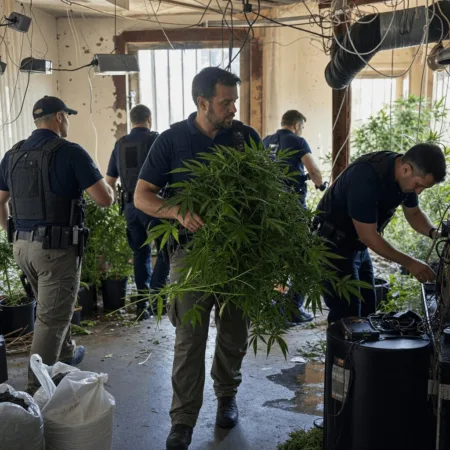
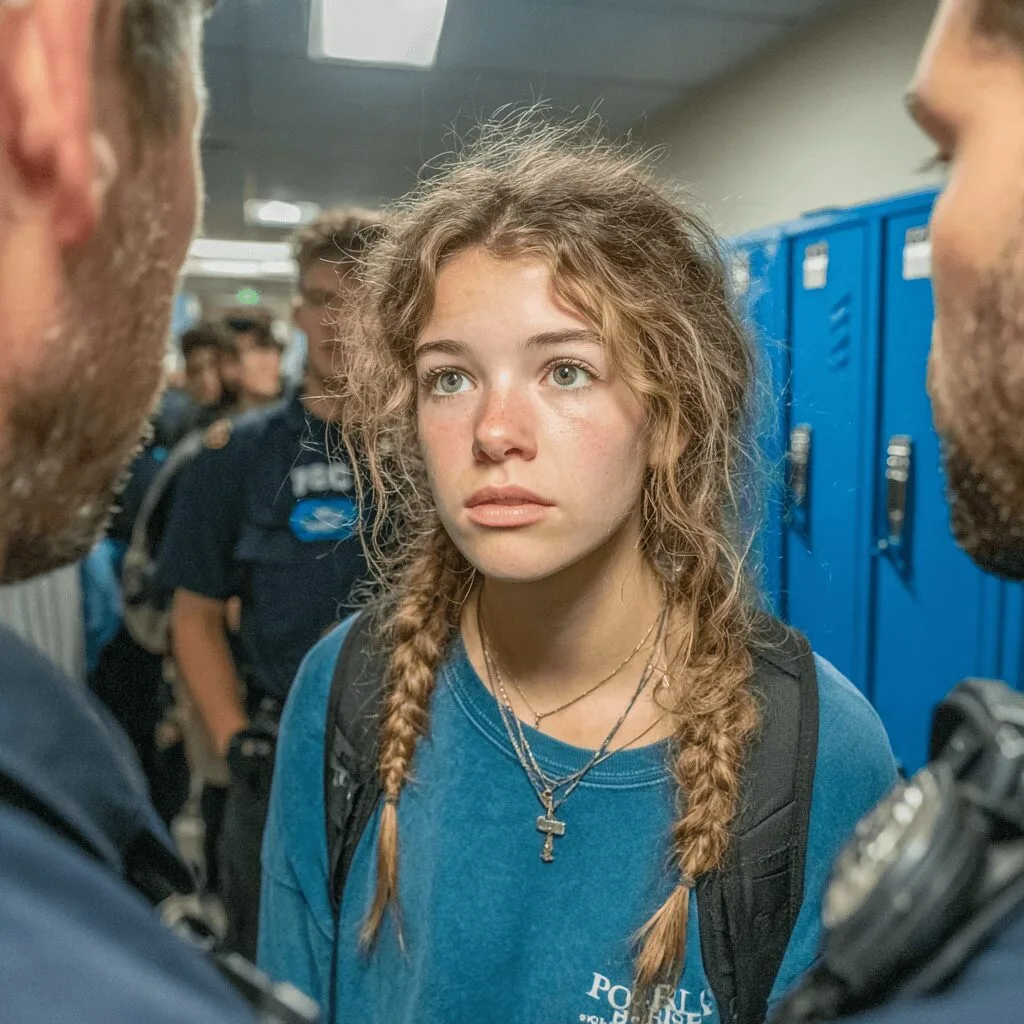
Let’s break down the central facts underpinning this THC vape student arrest. On a recent weekday, police responded to a Pennsylvania high school’s report concerning a suspicious odor and student behavior consistent with THC vape use. According to local law enforcement and as outlined by CrimeWatch PA, officers questioned a teenager and discovered a THC vape pen and a cannabis cartridge in the student’s backpack, tucked alongside school books. Authorities confirmed the item tested positive for THC, leading to an in-school arrest. The district echoed school policy, stating there is zero tolerance for drug possession. The event drew swift attention from parents and local reporters, reigniting debates over campus safety, search procedures, and student privacy. This heightened tension aligns with the growing impact of cannabis-related arrests in other states, similar to what recent medical marijuana arrests in Florida have brought to the forefront. It mirrors a growing pattern: per Education Week, schools across newly legalized states are reporting increases in cannabis-related disciplinary actions since broader legalization efforts began in 2012. The specifics—location, policy response, legal status of the student, and communication protocols—are exemplary of challenges faced by districts nationwide.
Expert Analysis & Insights: Beyond the Headlines
This THC vape student arrest isn’t just a local anomaly, it’s part of a broader tension in cannabis reform. As legalization widens, students gaining access to vapes pose sticky questions for schools and the cannabis supply chain. Some critics, nervous about normalization, point to this case as proof of regulatory failure. But industry-watchers offer a different spin. As cannabis trade publication Marijuana Moment often reports, regulated markets actually cut down on underage access. Licenses, compliance checks, and ID requirements form robust guardrails. There are also initiatives, like those mentioned in the National Medical Cannabis Initiative, providing models for responsible use and youth prevention. Veteran advocate Trulie Frost, featured in Leafly’s coverage of youth prevention, argues, “Criminalizing students doesn’t reduce use, it just drives it underground. Smart policy means education and support over knee-jerk punishment.” The upshot: real solutions come from collaboration between schools, cannabis regulators, and public health authorities, not from criminalizing youth caught in the gap between shifting norms and inflexible rules.
Looking Ahead: Changing Conversations & Future Perspectives
So, what’s next after a headline-making THC vape student arrest? Expect more schools to tighten policies, sure—but those with eyes on the future are calling for a new playbook. Social attitudes are growing more nuanced, as reported by the Pew Research Center: a clear majority of Americans support legal cannabis in some form. Industry leaders, policy advocates, and educators now have an opening to cooperate—instead of clash. That means honest conversations, trusted information, and smarter, more compassionate approaches to student discipline. Looking ahead, cannabis will keep growing, both as a business and a cultural force. These tough moments—like a THC vape student arrest in a Pennsylvania school—aren’t just bumps in the road, but stepping stones towards better laws, safer communities, and a saner future for everyone in the cannabis ecosystem.
Originally reported by: lancaster.crimewatchpa.com