THC trafficking Kinston arrest: Raleigh man caught with pounds
THC trafficking Kinston arrest stories are grabbing headlines for good reason. The cannabis industry is evolving fast, but not everyone is moving at the same pace. With regulations shifting and public attitudes transforming, each high-profile bust—like this one in Kinston—poses real questions about how THC products are controlled, why some operators still work outside the law, and what these incidents mean for consumers and advocates. Let’s break down what happened, why it matters, and what’s next for the cannabis movement.
Regulatory Reality: How Cannabis Laws Shape the Stakes in North Carolina
North Carolina stands at an awkward crossroads when it comes to cannabis law. Despite national momentum, THC remains a Schedule VI controlled substance in the state, making distribution, possession of large amounts, or trafficking a serious felony, and that carries prison time, heavy fines, and long-term ramifications according to the North Carolina General Statutes. Even as hemp-derived products with less than 0.3% Delta-9 THC content are legal, possession of higher concentration products is prosecutable. Socially, the state shows growing acceptance, with public polls by Pew Research indicating rising support for reform, but statutes lag. This push-pull atmosphere leaves room for distinct enforcement approaches from local police all the way to the General Assembly, keeping cannabis-trading gray areas alive even in 2024. Furthermore, as state debates evolve, local jurisdictions increasingly look to models of fair funding and cannabis revenue allocation for counties to balance enforcement priorities and community benefit.
THC Trafficking Kinston Arrest: Key Events & Fallout
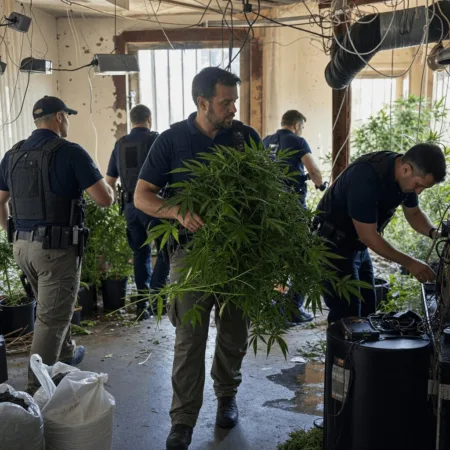
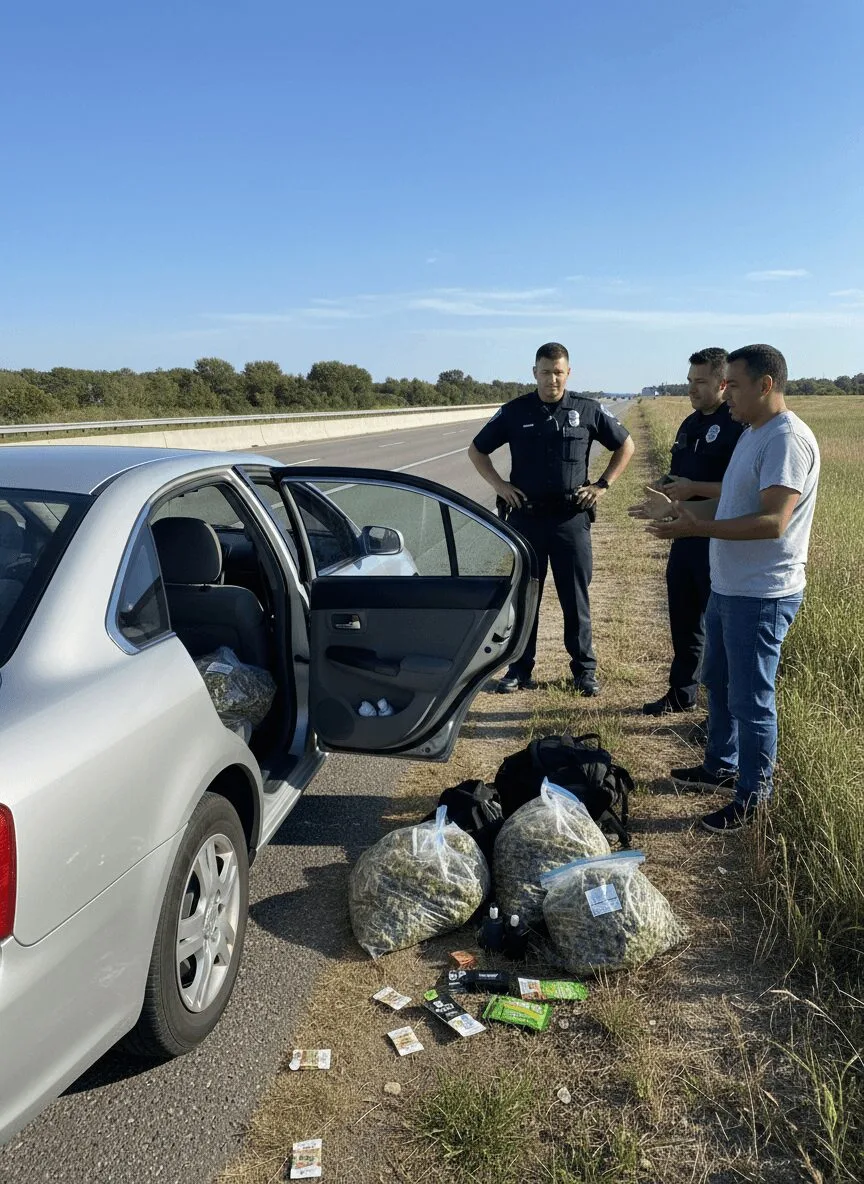
On April 2, 2024, Kinston police made headlines with the arrest of a Raleigh man pulled over for a traffic violation along a busy stretch of highway. According to details first reported by WITN, the routine stop quickly escalated when officers reportedly spotted signs of large-scale THC trafficking within the vehicle. Police stated they discovered “several pounds” of THC-infused cannabis flower and vape products packaged in clear baggies inside the car’s backseat area. While not naming the suspect, authorities clarified that the man was charged with felony THC trafficking, an offense that under North Carolina law can lead to years behind bars, even for a first arrest. This bust highlights law enforcement’s laser-focus on cannabis distribution networks and their willingness to prosecute strictly under existing statutes despite evolving attitudes elsewhere in the country. Across the country, recent high-profile cannabis seizures by police have sparked local debate about the effectiveness and fairness of enforcement strategies.
Expert Analysis & Industry Insight: What This Means for Cannabis in NC
Here’s the real talk, incidents like the THC trafficking Kinston arrest showcase the enduring gap between public sentiment and the letter of the law. Dr. Amanda Reiman, a policy researcher at the Drug Policy Alliance, notes, “States with patchwork cannabis policies see these enforcement spikes as a symptom of regulatory lag, not necessarily a new wave of criminal intent.” Even major industry publications such as MJBizDaily consistently report that consumer demand hasn’t waned as legalization efforts accelerate elsewhere. What’s clear is that medical, recreational, and black market boundaries blur when regulations stutter and supply chains lack transparent pathways. Despite the risks, the business of cannabis remains robust—and each new arrest is a sign that policy, not public demand, is the last frontier for reform. For consumers and brands alike, understanding the liability hazards associated with cannabis products in a changing regulatory environment is more critical than ever.
Forward Momentum: Reform, Reality, and Roadmaps Ahead
As the dust settles from this THC trafficking Kinston arrest, optimism among advocates and industry experts remains strong. North Carolina’s medical marijuana bill continues to circulate in committee, and legislators are hearing from a public that’s grown weary of patchwork enforcement. States like Virginia and Illinois have shown the economic, legal, and social benefits of regulated cannabis markets, and as NORML observes, change is inevitable. For now, every arrest draws attention to regulatory lag—but with mounting momentum and smarter policy conversations, a balanced and sensible cannabis culture is coming into focus. The next chapter is about inclusion, public safety, and freedom to choose—three key values at the heart of any good cannabis reform effort.
Originally reported by: witn.com