THC Ministry Supreme Court case: What Really Happened?
The THC Ministry Supreme Court case stands out as a watershed moment for legal cannabis, religious liberty, and cultural acceptance. From the vibrant streets of Hilo, Hawaii, to the highest judicial halls, this case has sparked fresh debate on cannabis rights, police conduct, and the evolving role of faith-based organizations in cannabis activism. As the national conversation heats up thanks to changing laws and rising public support, understanding what happened and why it matters is crucial for industry players and advocates alike. Let’s break it down—how did the THC Ministry’s case reach the Supreme Court, and what could it mean for the future of cannabis?
Background and Context: Cannabis, Religion, and Law in Hawaii
Before diving into the THC Ministry Supreme Court case, it’s essential to grasp Hawaii’s legal landscape. Since the early 2000s, Hawaii’s relationship with medical cannabis has been cautiously progressive, yet recreational use and cultivation outside sanctioned parameters remains tightly policed. Religious-cannabis organizations, including the THC Ministry, have found themselves in a regulatory gray area inspired by the First Amendment and Hawaii’s tradition of spiritual pluralism. According to NORML’s Hawaii overview, state law protects registered patients, but it doesn’t grant full sanctuary for religious cannabis use. These tensions have led to frequent legal clashes, forcing courts to weigh religious freedoms against state drug laws. The broader context includes rising support for broader decriminalization in Hawaii (Civil Beat, 2024), showing an evolving but still contested cannabis climate, similar to the recent progress seen in communities celebrating significant sales milestones, such as local dispensaries celebrating $1B in cannabis sales in Ohio. This backdrop is what made the Supreme Court’s refusal to hear the THC Ministry’s appeal so critical.
Key Developments & Issues: What Happened in the THC Ministry Supreme Court Case?
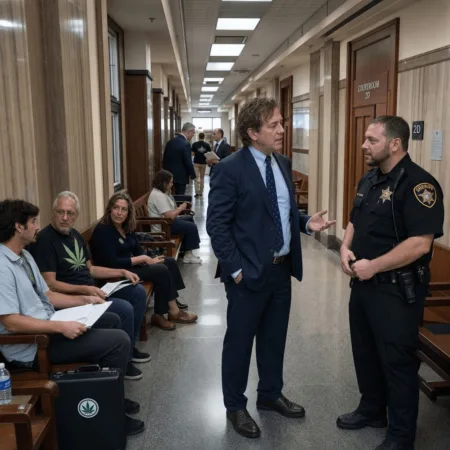
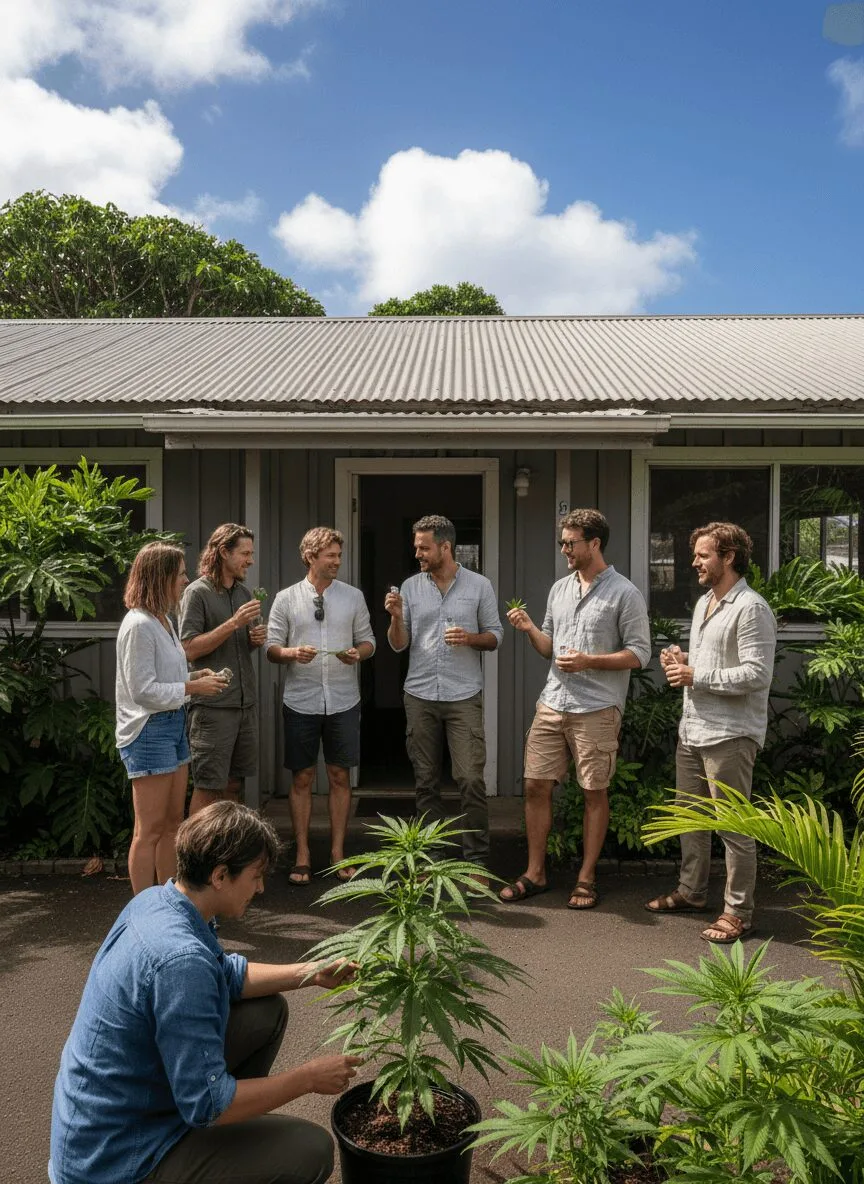
The controversy began back in 2010, when Hawaii law enforcement raided the THC Ministry’s headquarters in Hilo, a group led by Roger Christie, who described it as a spiritual sanctuary for cannabis sacrament. Authorities seized cannabis plants, ministry assets, and arrested several people under charges of marijuana trafficking. Christie and his co-defendants argued in federal court that their activities were protected under the Religious Freedom Restoration Act (RFRA), contending their cannabis use was a legitimate religious practice. Over the years, the case snaked through multiple courts, as covered by Honolulu Star-Advertiser (2026). Ultimately, the U.S. Supreme Court declined to hear the THC Ministry’s appeal in January 2026, letting stand lower court rulings that sided with law enforcement. The refusal closes the door, at least for now, on revisiting the intersection of federal anti-drug law and religious liberty claims. This case highlights ongoing discussions about how regulatory enforcement impacts communities, such as recent incidents like major airport cannabis seizures that have influenced regulation discussions. Legal scholars and industry watchers saw the refusal as a missed opportunity, with unresolved questions remaining for faith-based cannabis users nationwide.
Expert Analysis & Pro-Cannabis Perspective
The THC Ministry Supreme Court case isn’t just about a single bust, it exemplifies broader struggles over cannabis justice. Industry experts, like MG Magazine, highlight that more than thirty religious-cannabis cases have tested the courts, with mixed results. “Refusing to consider religious and cultural context when interpreting cannabis law perpetuates systemic inequities,” argues cannabis attorney Shaleen Title, former commissioner of the Massachusetts Cannabis Control Commission (Leafly News). Broader analysis points to potential market drivers and reform, much like how understanding the real drivers behind the Mississippi medical cannabis industry’s growth can shape future policy directions. This legal defeat, while disappointing, could galvanize broader reform and influence future state and federal debates. Moreover, the societal shift is tangible, as the Pew Research Center reports that the majority of Americans now support legal cannabis. This mainstream backing suggests future cases may have different outcomes before more receptive courts or legislatures.
Future Outlook & Conclusion: Lessons and Hopes After the THC Ministry Supreme Court Case
The outcome of the THC Ministry Supreme Court case stings for advocates of both cannabis justice and religious liberty. But as we look ahead, Hawaii and the nation are inching closer to harmony between policy, personal freedom, and cultural acceptance. Lawmakers, lobbyists, and community groups are working to close the gaps exposed by this case. Industry data, like the MJBizDaily’s 2024 market report, projects ongoing growth and normalization of cannabis businesses. While the Supreme Court punted on this specific matter, the cultural and legal momentum is undeniable. As new bills advance and more voices demand reform, even setbacks like this can drive progress in the end. If one thing’s for sure, it’s that the tides of cannabis freedom in Hawaii aren’t receding—just regrouping for the next big wave.
Originally reported by: staradvertiser.com