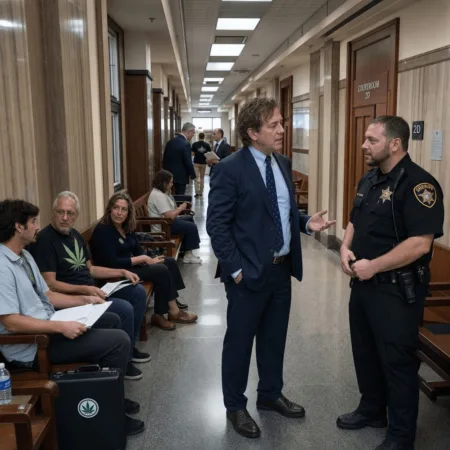
THC limits Kentucky lawmakers: Hemp Debate Heats Up
There’s something special brewing in the Kentucky Capitol hallways, and it isn’t just the local bourbon. The ongoing noise around THC limits Kentucky lawmakers is heating up, sparking debates hotter than a pre-roll under a heat lamp. With fresh hemp product innovations and evolving consumer demand, lawmakers are up to their necks in questions: Are the proposed THC limits too strict? Too relaxed? As new regulations roll out and legacy hemp farmers clash with high-flying industry upstarts, this debate is reshaping the Bluegrass State’s cannabis scene right now.
Kentucky’s Legislative Crossroads: Hemp, THC, and Policy Backdrop
Kentucky’s connection to hemp runs deep, this crop fueled local economies long before cannabis was popular nationwide. But as the national legalization of hemp under the 2018 Farm Bill converged with a growing market for delta-8 and other hemp-derived cannabinoids, regulatory confusion ensued. On one hand, the federal government caps THC in hemp at 0.3%, but state-level enforcement and interpretation often diverge. Kentucky, a state historically wary of recreational cannabis, is now a national microcosm for the debate over how much THC is too much, even if the plants themselves can’t get you higher than a flat tire. Lawmakers, consumers, and business owners are all wrestling with questions raised by recent federal definitions of ‘hemp’ and ‘marijuana’. Socially, Kentucky voters lean conservative, but survey data show rising acceptance for regulated hemp and medical cannabis, which in Oak Grove has led to local events around acquiring medical marijuana cards, reflecting national trends in community empowerment and Pew Research findings. These shifts are making the current power struggle particularly tense and consequential.
Inside the Fire: Recent Battles on THC Limits Splitting Kentucky Lawmakers
The last legislative session saw Kentucky lawmakers debate a range of bills targeting THC in hemp products, focusing especially on delta-8 and related cannabinoids. According to WUKY News, bills introduced in October 2025 aimed to set explicit THC caps for retail hemp products. Lawmakers struggled to reach consensus, with rural legislators pressing for stricter caps and others, often from urban districts, warning that aggressive limits would devastate Kentucky’s fast-growing hemp industry. One significant proposal would have aligned state law with federal THC limits (0.3% delta-9 THC by dry weight), but added further restrictions on the total amount of intoxicating cannabinoids per serving and per package. Industry leaders, including representatives from established Kentucky hemp brands, voiced concerns over ambiguous labeling rules and enforcement headaches. Legislators on both sides cited public safety, economic impact, and industry integrity. Ultimately, the session ended with a deadlock, pushing the issue into 2026. This mirrors the way issues like THC gummies reaching schools have sparked safety debates elsewhere, highlighting the far-reaching implications for policy and public health.
Expert Takes: Why the THC Debate Is Bigger Than Kentucky
If you’re wondering whether this legislative squabble is unique, you’re not alone. According to Marijuana Moment, “States across the country are rewriting the playbook for cannabinoid regulation, and Kentucky’s conversation is pivotal for the South.” National cannabis law expert and author Jonathan Caulkins said, “The complexity in Kentucky reflects what’s happening everywhere.” The push-and-pull between state and federal guidelines has created, well, a buzz, pun intended. Recent investigations highlight that artificially low THC caps can squeeze small farmers but do little to curb the black market. Meanwhile, industry advocates stress that Kentucky’s reputation as a legacy producer is on the line, especially as new cannabinoids proliferate. The recurring refrain among analysts is that the limits Kentucky lawmakers might set could ripple out across nearby states still mulling their own hemp product policies. Legal experts and business owners emphasize that reasonable limits balanced with strict testing and honest labeling can support both consumer safety and industry innovation, which is especially important for patients considering the latest approaches to medical marijuana access in local communities.
Where Do We Go From Here? Hope, Hurdles, and Hemp’s Horizon
No matter how tense the current showdown gets, the future’s still bright for Kentucky hemp. The ongoing THC limits Kentucky lawmakers saga could finally bring clarity and stability to everyone from back-of-the-barn growers to shiny new dispensaries on Main Street. As recent polls confirm, public support keeps climbing, which means lawmakers can’t afford to ignore consumer demands for access, quality, and transparency. Will Kentucky become a southern trailblazer for modern hemp regulations? If the industry keeps adapting—and lawmakers keep dialoguing—instead of butting heads, the state could lead the charge. The lesson of the year so far: It’s not just about setting THC limits Kentucky lawmakers can agree on, but building a hemp sector that works for all, from policy nerds to everyday patients and everybody in between.
Originally reported by: wuky.org