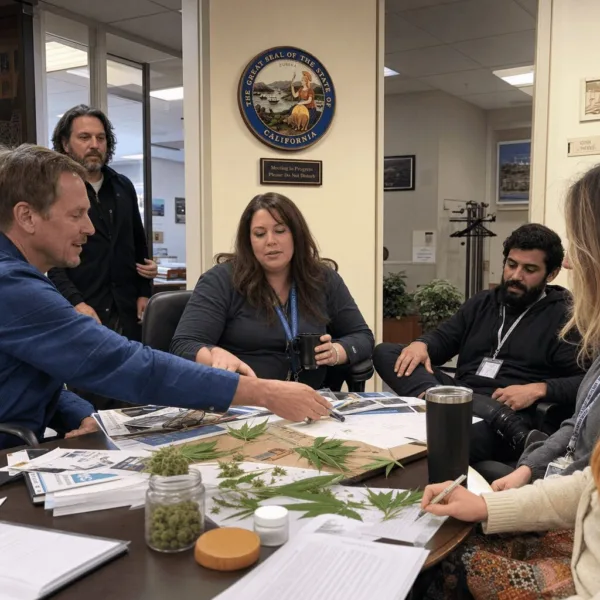



The spotlight is firmly on the recent THC edibles Moorhead school incident, underscoring how the cannabis market’s rapid evolution can impact even those unprepared for it. As students in Moorhead, Minnesota, faced unexpected health scares linked to edibles, questions emerged about safety, regulation, and the fine line between legal access and youth protection. Let’s break down what happened, why it matters, and what it really means for the cannabis community and policy makers across the US.
Regulatory Background: Cannabis Laws, Market Growth, and Social Concerns
The THC edibles Moorhead school case comes as cannabis edibles become increasingly mainstream. Minnesota legalized edible THC products derived from hemp in 2022, spurring tremendous growth in retail sales, innovation, and new product launches. States like Colorado have taken a bold stance as seen through recent developments in hospitality and event-friendly cannabis policies, offering valuable lessons on adapting regulation in a fast-growing market (explore how cannabis hospitality events are shaping state policies). But as reported by Marijuana Moment and confirmed by Minnesota Department of Health officials, the landscape remains complicated by patchwork regulation and limited oversight for product appearance, packaging, and marketing. As kids grow curious and these products look more like regular candy, schools and parents express legitimate worries about accidental use. Public health agencies, like the CDC, have consistently stressed the importance of child-resistant packaging and public education as key to reducing accidental exposures, especially as legal products become more common in households.
What Really Happened at Moorhead School: Key Facts and Developments
The news broke when ten Moorhead middle schoolers reported feeling ill after eating candies later identified as THC edibles, according to local police and InForum News. The incident took place on May 15, 2024, causing an immediate stir among parents, educators, and police. Investigators quickly determined that the candies contained measurable amounts of THC, the psychoactive ingredient found in cannabis. Further inquiries pointed to the edibles coming from a local retail location, not a regulated dispensary. Community reactions echoed trends seen across America as cannabis use surpasses old social norms, reflecting broader national shifts in attitudes and policy (see how cannabis has overtaken alcohol in popularity). School authorities collaborated with law enforcement, and paramedics responded promptly, and thankfully, all students recovered with minor symptoms. This event echoes trends seen in other states, as documented by the New York Times on rising youth exposures, and highlights potential gaps in packaging, supply chain oversight, and community education.
Pro Perspectives: Analysis, Solutions, and Responsible Advocacy
Incidents like the THC edibles Moorhead school case demand a cool-headed, informed response. While critics may blame legalization, the core issue here is clear, safe product handling and education need to keep pace with market changes. As Betty Aldworth, former executive director of Students for Sensible Drug Policy, notes in Leafly: “We have to invest in real education for youth and consumers, not just scare tactics. Regulation works when paired with honest, practical messaging.” Responsible retailers, parents, and policymakers must collaborate to ensure packaging is child-resistant, formulations are unique, and youth know how to spot the difference between cannabis and regular treats. Looking at wellness trends, older adults also play a role in shaping safer practices as more seniors seek out these products for health benefits, revealing changing community needs and approaches (read more about how seniors are reshaping wellness with cannabis). Recent best practices from states like Colorado and California suggest clear labeling, distinct edible shapes, and strict age verification help prevent accidental exposures, without curtailing adult access or undermining cannabis’ legitimate place in the community.
Looking Forward: Lessons, Growth & Positive Change
The THC edibles Moorhead school episode, while concerning, is sparking broader discussion about how the cannabis industry will address new challenges as legalization spreads. Progress is already underway—Minnesota regulators and key industry voices are working on new packaging rules and stronger public campaigns. Meanwhile, responsible cannabis companies are investing in consumer education and innovative, child-safe designs. As social acceptance of cannabis continues to expand, the goal remains clear: maintain safety, foster trust, and ensure no one—especially youth—is harmed through unintended access. As highlighted by NORML, ongoing reform and education are essential ingredients for the responsible, thriving cannabis future we all envision.
Originally reported by: inforum.com