





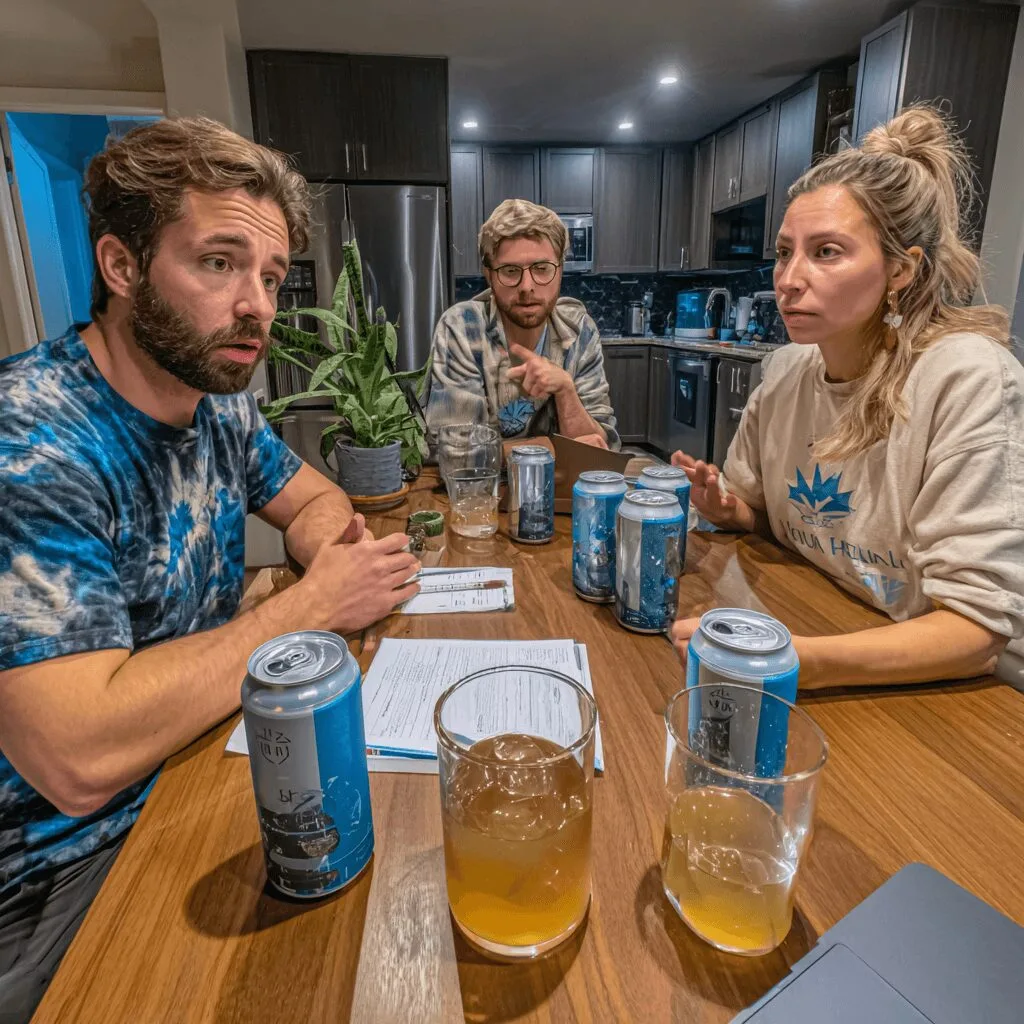
THC drinks criminalization is suddenly at the center of cannabis industry buzz. Recent moves by Congress threaten to dramatically reshape the booming market for hemp-derived beverages. As lawmakers consider new federal restrictions, everyone from casual consumers to seasoned entrepreneurs is asking what comes next. Are THC drinks about to vanish from your local shelves? Let’s break down the latest developments, why they matter right now, and what it all means for the future of cannabis in America.
Background: Why THC Drinks Criminalization Is Making Headlines
The rise of THC drinks, those fizzy, hemp-derived beverages that put a new spin on happy hour, has been one of the hottest trends in the cannabis space. Driven by creative product launches and loosening regulations at the state level, these beverages have landed everywhere from music festivals to local grocery stores. But the legal status of hemp-derived cannabinoids, especially Delta-9 THC in beverage form, has been murky since Congress passed the 2018 Farm Bill. Under that law, hemp and its derivatives (with less than 0.3% Delta-9 THC by dry weight) are federally legal. However, state regulators and public health groups have raised questions about the supposed legal loophole letting psychoactive drinks hit the mainstream. Recent increased scrutiny of youth access to these beverages draws attention to public health concerns, much like the pressing issues seen with how cannabis impacts youth psychiatric emergencies. Many states have rushed to set their own rules, some banning these products outright, others taxing and testing them more strictly (as reported by Leafly News). But federal ambiguity persists. Now, as Congress eyes a wider crackdown, both the industry and its fans find themselves in the crosshairs of evolving policy.
Key Developments: What Congress and Regulators Are Doing About THC Drinks Criminalization
Let’s talk specifics. In April 2024, federal lawmakers tucked a controversial ban on hemp-derived THC drinks into a much-discussed budget bill. According to CBS8, the measure is designed to close the so-called ‘loophole’ in the 2018 Farm Bill that allowed for the legal sale of intoxicating hemp-derived products, including sparkling THC drinks. If passed, this legislation would criminalize the sale, possession, and distribution of these beverages nationwide, effectively reshaping the sector overnight. Key players in this movement include Rep. Mary Miller (R-IL), who has been vocal about the need for stricter federal oversight, and a coalition of lawmakers focused on youth safety. Their proposed amendment would mean products like hemp-derived seltzers containing psychoactive THC are treated much more like controlled substances. As Congress considers sweeping action on THC drinks criminalization, some are drawing parallels to broader nationwide crackdowns, similar to what is discussed in upcoming hemp crackdown legislation and its impacts on the cannabis industry. Industry groups like the U.S. Hemp Roundtable are sounding the alarm, warning that the move could devastate small businesses and disrupt years of slow but steady progress in normalizing cannabis consumption through legal, regulated drinkable formats. Within days of this proposal, beverage companies and retailers began reviewing their inventory and discussing contingency plans. Major retailers in states like Minnesota and Texas started pulling high-THC hemp drinks from shelves, citing legal uncertainty and mounting pressure from law enforcement and health authorities (per Marijuana Moment). The practical impact of THC drinks criminalization became apparent almost immediately, fueling calls for clarity from policymakers and the public alike.
Expert Analysis and Counterpoints: Is THC Drinks Criminalization the Right Solution?
The ongoing debate around THC drinks criminalization is layered with nuance and competing interests. On one hand, safety concerns about mislabeled or overly potent hemp-derived beverages are legitimate. Yet on the other, criminalizing a fast-growing segment of the legal cannabis market risks undermining both progress and innovation. Discussions about illicit cannabis market dangers recall incidents like violence tied to the underground marijuana trade, reinforcing worries that prohibition approaches may cause more harm. Longtime advocates highlight that responsible regulation, not prohibition, should be the guiding principle. As Leafly’s cannabis policy analyst Bruce Barcott puts it, “The dark ages of cannabis prohibition didn’t make anyone safer. Smart, science-based regulation of THC drinks is the path forward, not fear-driven bans.” Many in the industry agree. States like Minnesota have demonstrated that it’s possible to combine rigorous testing, age verification, and clear labeling, offering a template that balances safety with consumer choice (see Star Tribune’s coverage). Industry leaders point out that blanket THC drinks criminalization could push consumers toward less safe, unregulated alternatives. As a result, the market could go underground, re-creating the very risks prohibitionists claim to address. Ultimately, solutions might look more like Canada’s: federally-licensed production, standardized dosing, and taxes funneled into public education and addiction services (as covered by CBC News).
Future Outlook: Where Does the THC Drinks Market Go from Here?
Despite uncertainty around THC drinks criminalization, optimism remains strong among industry veterans. Cannabis legalization continues advancing in both culture and courts, with new states embracing reform every year. While a federal crackdown could send shockwaves, it also creates an opportunity to develop smarter, more consistent rules—rules that protect public health while supporting innovative business models and responsible adults’ right to choose.
Leading researchers and market analysts (see Brightfield Group) predict demand for low-dose cannabis beverages will outlast legislative whiplash. Over time, expect to see more collaboration between lawmakers, scientists, and the cannabis community. In the big picture, THC drinks criminalization isn’t the end—just another chapter in the long story of cannabis normalization. The future? It’s still sparkling.
Originally reported by: cbs8.com


1 Comment
Pingback: Discover National Hemp THC Ban Effects on Texas Markets