


Texas Senate THC Priorities: What’s Driving Dan Patrick’s Agenda?
The Texas cannabis conversation is heating up again and everyone’s got their eyes on the action. The buzz around Texas Senate THC priorities is louder than ever as lawmakers—inspired by shifting markets and new policy pushes—tackle everything from product regulation to criminal law in the Lone Star State. In the wake of recent Senate updates, cannabis advocates and industry insiders are watching closely to see just how far Texas is willing to go. Here’s why this moment matters, who it’ll impact, and exactly what’s changing on the ground.
Background: How Did We Get to These Texas Senate THC Priorities?
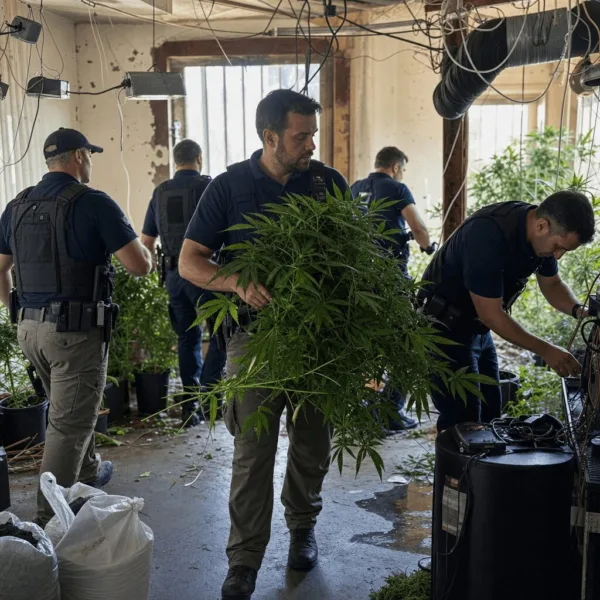
Let’s be real, Texas has never exactly been the first to RSVP to the cannabis party. While federal shifts and booming markets in states like California and Colorado have made national headlines (see Leafly’s legalization tracker), Texas has kept THC regulations tight. THC, that’s the stuff making waves in hemp, gummies, vape pens, and medical marijuana, has been the subject of ongoing legal and social debate here for years. Although the Texas Department of State Health Services and state legislators have allowed low-THC oils for certain medical patients since 2015, broader reform has lagged behind public sentiment. In fact, certain counties have seen law enforcement taking significant action, as witnessed in cases that have stirred local debate over cannabis policy and justice, like a recent drug raid in Zapata County. Texas Senate THC priorities ramped up recently as lawmakers faced mounting pressure from entrepreneurs, consumer safety advocates, and voters concerned about product safety, illicit sales, and business fairness. With industry growth accelerating nationwide (see MJBizDaily’s industry factbook), Texas political leaders have been forced to reconsider their stance, or risk being left in the dust.
Key Developments & Issues: Dan Patrick’s Agenda, And the Real-World Impact
Here’s where things get spicy. In early 2024, Texas Lt. Gov. Dan Patrick announced new Texas Senate THC priorities, throwing high-THC hemp product regulation into the legislative spotlight. According to ValleyCentral’s recent reporting, the Senate’s focus includes curbing questionable sales practices, clarifying licensing for retailers, and updating criminal penalties for illicit products. Patrick’s agenda is pushing for:
- A crackdown on delta-8 and delta-9 THC products sold outside licensed dispensaries—one move that echoes recent headlines about THC vape pen possession arrests stirring legal debate across the state
- Stricter testing and labeling requirements to protect consumers from unsafe products—an issue other states have tackled recently, sparking national trends
- Clearer rules for legal sale and distribution to help law enforcement distinguish legal hemp from illegal marijuana
Major advocacy groups like Texas NORML and consumer watchdogs have chimed in, warning about the risks of unregulated sales and untested cannabinoid concentrations. Meanwhile, headlines across Texas business outlets show the hemp industry booming, even in regulatory gray zones, with hundreds of stores popping up in cities from Dallas to McAllen. Amid this, retail licensees, medical patients, and skeptical law-and-order types are all itching to see which bills actually move and how police will enforce the nitty-gritty of the law.
Expert Analysis & Cannabis Industry Insights on Texas Senate THC Priorities
So, what does this all mean on the ground? First, the impact of Texas Senate THC priorities is about more than just the legality of your favorite edible. Tightened rules could reshape the industry’s future here, potentially boosting consumer confidence but also raising barriers for smaller dispensaries and growers. As Marijuana Moment regularly reports, market uncertainty crushes innovation and disincentivizes investment—something we can’t afford if Texas hopes to compete nationally. Industry veteran and policy analyst Kevin Caldwell put it bluntly: “When regulations are unpredictable, small businesses take the hit, not just the big corporate growers.” (Benzinga). Meanwhile, the way other states are enforcing testing, such as the shift in Maine’s mandatory medical cannabis testing policies, is influencing how Texas stakeholders and lawmakers approach product safety, enforcement, and industry standards. At the same time, federal legalization debates and new research into medical cannabis efficacy are giving lawmakers more confidence that sensible reforms can offer real public health benefits while shrinking the illicit market. The question is whether Texas wants to lead, or keep chasing.
Future Outlook & Conclusion: Will Texas Seize the High Ground?
Even if some in the Senate are feeling a little straight-laced, long-term optimism is running high. If lawmakers channel the energy behind current Texas Senate THC priorities into practical, modern reforms, the state could see a wave of regulated business growth, new jobs, and safer access for patients and adults. According to the U.S. Cannabis Report, states that adopt clear THC legislation almost always see positive impacts in tax revenue, public health, and law enforcement focus. The culture is shifting fast—Texans want options, and industries want clarity. As the policy process unfolds, advocates, entrepreneurs, and everyday consumers will keep pushing for smarter regulation, common sense, and a little bit of Lone Star boldness. Stay tuned; the future for Texas cannabis is anything but mellow.
Originally reported by: valleycentral.com