



Temporary Cannabis Moratorium: Planning Board’s Next Move
If you’ve been following the local cannabis policy scene in Maine, you know the landscape’s never boring. Today, the temporary cannabis moratorium is at the center of the buzz. Skowhegan’s recent move to endorse a pause on new cannabis licenses is a big deal for local entrepreneurs, consumers, and policymakers alike. With state regulations changing rapidly, understanding what this temporary cannabis moratorium means could make or break future business plans—and maybe change the game for the entire industry. In this guide, we’ll break down what’s happening, why it matters, and where things could go next.
What’s Driving the Push for a Temporary Cannabis Moratorium?
Maine’s adult-use cannabis market has grown by leaps and bounds since voters approved legalization. However, local officials frequently face a tug-of-war between economic opportunity, community concerns, and the need to play by constantly evolving state rules. Recently, the Maine Office of Cannabis Policy (official state portal) updated its regulations, requiring municipalities to align with new standards for retail, cultivation, and testing. Skowhegan’s Planning Board argues that their temporary cannabis moratorium isn’t about slamming the brakes on progress, it’s about giving the town breathing room to fine-tune their own ordinances and ensure compliance. Local community conversations often focus on balancing responsible growth, preventing business saturation, and protecting public safety. These issues are similar to debates documented in other states, particularly as seen in recent analyses on how regulatory changes shape purchasing rules in different legal markets. Advocates point out that a well-implemented pause can set up a long-term win for everyone, provided it doesn’t turn indefinite or exclusionary. According to Leafly News, plenty of towns navigating similar issues find moratoriums help them keep up with shifting legal terrain without losing sight of local values.
Core Issues: What Skowhegan’s Planning Board Just Did, and Why It Matters
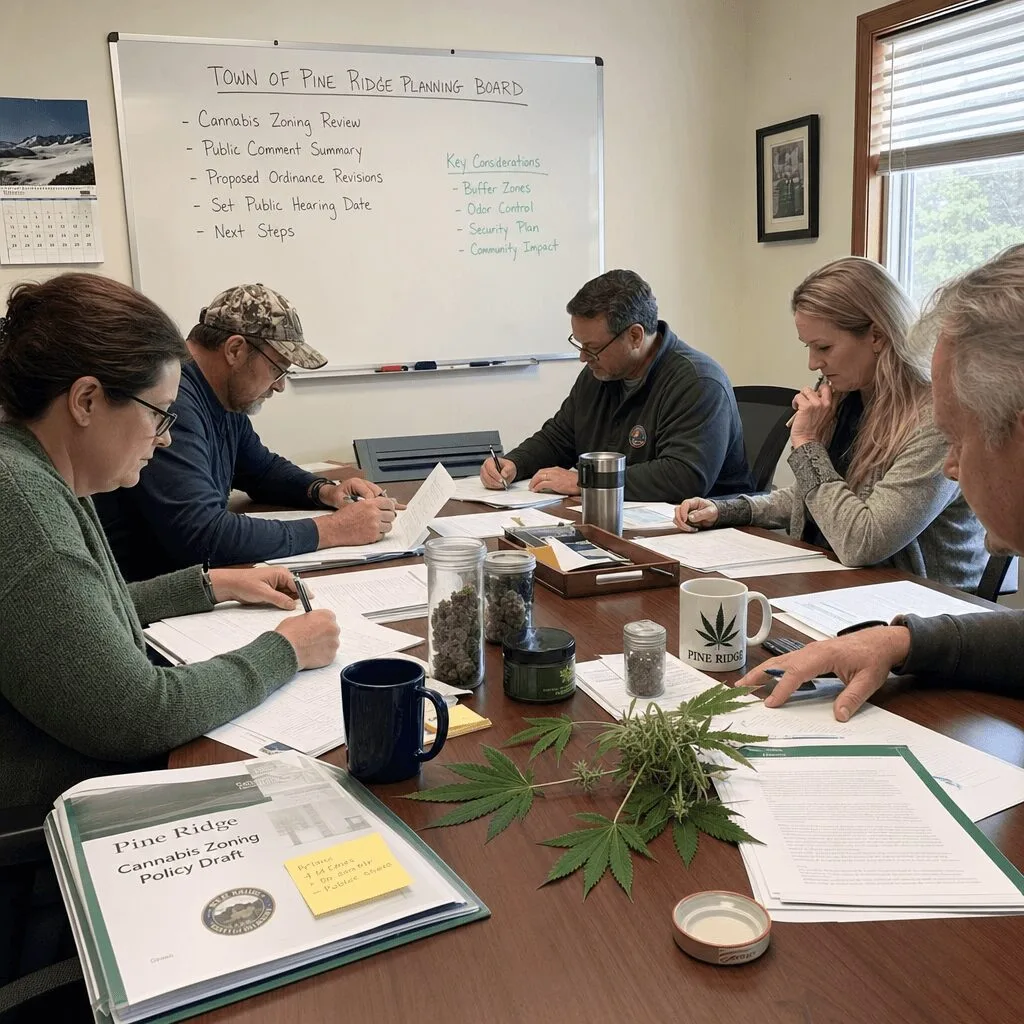
This past week, Skowhegan’s Planning Board held an open meeting to decide next steps for cannabis zoning. After robust public input, the board formally endorsed a temporary cannabis moratorium, setting the stage for a closer look at their licensing process. According to reporting from Central Maine News, the moratorium is designed to keep new cannabis businesses on hold while town ordinances catch up to evolving state-level rules issued by the Office of Cannabis Policy. It’s worth noting that the board is not out to ban cannabis or target existing operators; no retroactive enforcement is planned. Instead, newly proposed businesses, especially retail shops and cultivation sites, will face a waiting period until updates are hashed out and adopted, likely extending through late 1782051835. This aligns with a broader trend across Maine, where towns in Somerset County and beyond are making similar decisions to hit pause on cannabis licenses while new regulations work their way from Augusta down to the local level. The effort is about making sure Skowhegan doesn’t inadvertently run afoul of new compliance mandates, ensuring that everyone—growers, shopkeepers, and consumers—can move forward confidently under the updated legal framework. These actions also echo moves made in other municipalities, such as when local councils take bold steps toward cannabis reform in response to regulatory needs.
Industry Analysis: What Does This Temporary Cannabis Moratorium Mean for Mainers?
Pausing cannabis permitting may sound like a bummer, especially if you’re waiting to launch your dispensary dreams. But the rationale is more strategic than punitive. “Temporarily slowing the approval process can give both municipalities and businesses a stronger foundation for sustainable, compliant growth,” explains longtime industry analyst Tom Angell via Marijuana Moment. The temporary cannabis moratorium isn’t just municipal foot-dragging, it’s a necessary halfway point as local leaders await clearer details on state law. The real risk? If moratoriums stick around too long, they can stifle healthy market growth, perpetuating black-market activity, and reducing consumer access. But, when handled transparently and kept truly temporary, most experts agree they pave the way to a better-regulated, fairer, and more sustainable local industry. This sentiment echoes comments from the Cannabis Business Times, which noted in a recent report that “well-constructed pauses are now seen as best practice for fast-moving markets, giving all stakeholders time to breathe and calibrate.” The way cannabis tax revenue is transforming communities nationwide highlights the importance of responsible policy transitions to maximize benefits for local economies.
Looking Ahead: Why A Temporary Pause Could Benefit Everyone
Here’s the positive spin: a temporary cannabis moratorium, when handled with clarity and good faith, can strengthen community trust. It gives towns a chance to set the ground rules before the green rush leaves them playing catch-up. As more Maine communities test this approach, industry experts are keeping a close eye on how these moves boost consumer safety, foster business innovation, and promote responsible growth. According to projections from Statista, the legal cannabis market’s long-term expansion relies on smart regulatory pivots and local buy-in. Expect Maine’s experience to serve as a model (or cautionary tale) for towns across the Northeast. Bottom line: if Skowhegan’s pause leads to clearer, fairer laws, everyone—patients, business owners, and local residents—stands to win in the years ahead.
Originally reported by: citizenportal.ai