Shocking Teen Marijuana Robbery Homicide: What Really Happened?
The tragic issue of teen marijuana robbery homicide is front and center in the national spotlight. With cannabis legalization spreading, communities face complex questions about youth access, black market risks, and legal repercussions. A recent headline-grabbing incident—a teen marijuana robbery homicide involving a fatal encounter—forces us to look deeper. This overview explains why the story matters, what really happened, and what it signals for the cannabis industry and society at large.
Understanding the Roots: Laws, Markets, and Social Pressures
The teen marijuana robbery homicide case unfolds against a backdrop of evolving cannabis laws and shifting market dynamics. States like New York and Illinois have legalized recreational cannabis, aiming to disrupt the illegal trade (The New York Times), and similar discussions about market shifts have emerged in regions where craft beer and cannabis intersect, as seen in Michigan’s evolving brewery culture. Yet, delays in regulated markets and harsh penalties for underage involvement fuel risky street-level transactions. Despite progress, youth can still face barriers accessing the adult-use market, which sometimes pushes them toward the shadow economy. According to NORML, underage possession remains severely penalized in most states. Overlay this with ongoing stigma, limited education, and uneven enforcement, and you get a potent recipe for desperate decisions and tragic outcomes like a teen marijuana robbery homicide.
Unpacking the Incident: Facts, Motives, and Legal Fallout
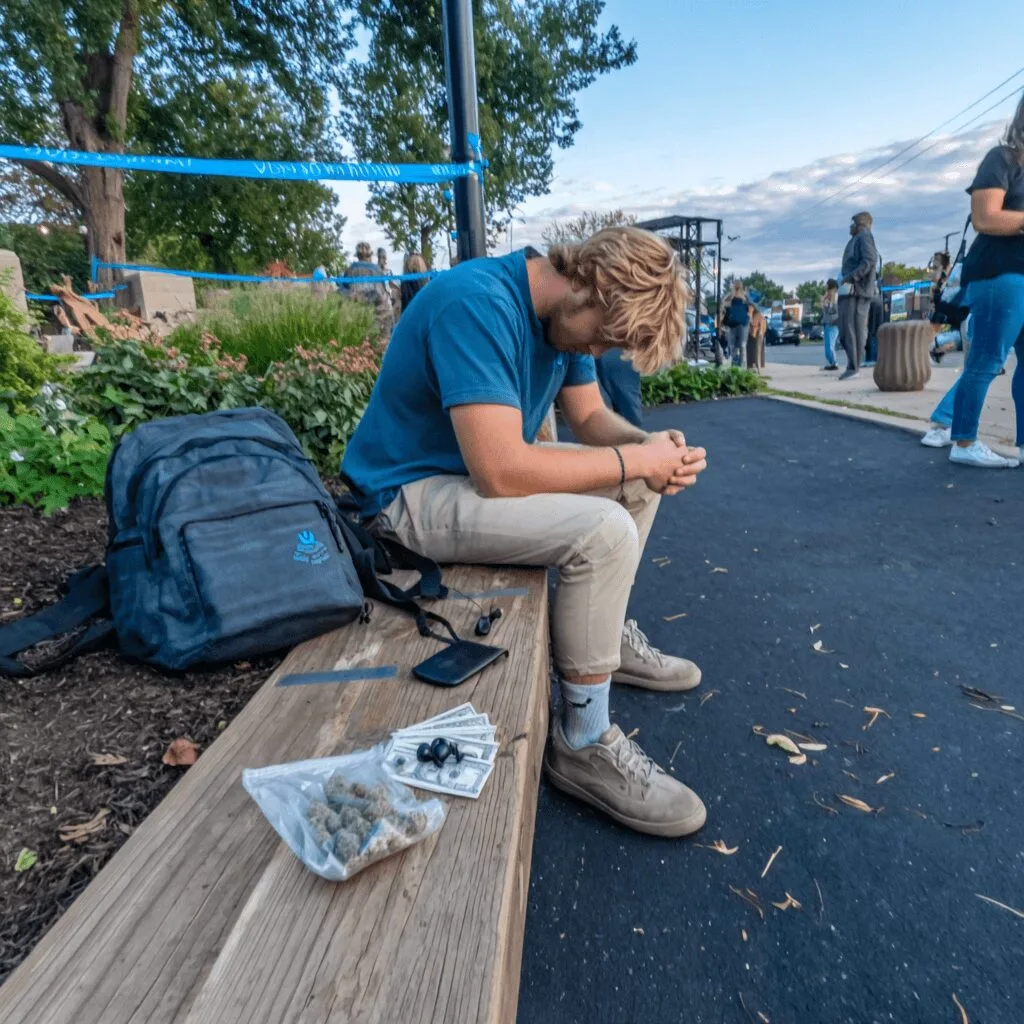
Let’s break down what really went down in this teen marijuana robbery homicide, as reported by dedicated news outlets such as WNYT. In Albany County, NY, a 17-year-old attempted to steal marijuana from a man in a suburban neighborhood. The encounter tragically escalated, resulting in a fatal shooting. Prosecutors stated that the teen planned the robbery believing there was little chance of significant repercussion. Law enforcement quickly investigated the scene after witnesses reported suspicious activity near the park. Recent measures and legal updates from around the country—such as the evolving landscape in Ohio’s marijuana reform efforts—highlight how regulatory uncertainty still leaves gaps exploited by black-market sales, even after partial legalization. According to recent court documents, the teen pled guilty to manslaughter and is now headed to prison. New York’s strict laws mean adult charges apply, illuminating how quickly youthful misjudgments spiral into lifelong consequences. The case is a gut-check on current gaps as black-market sales persist, even after partial legalization.
Expert Analysis & Industry Reflections
As cannabis advocates, we must acknowledge the pain of a teen marijuana robbery homicide, while refusing to blame the plant for societal failings. This crime was about desperation, risky access points, and a lack of guidance more than cannabis per se. Dr. Amanda Reiman, policy expert and contributor to Marijuana Moment, said, “Criminalizing youth doesn’t address root causes. We need education, safe markets, and supportive community resources.” The illicit market thrives wherever youth feel excluded from legal protections. Legalization alone isn’t a silver bullet—it demands comprehensive social programs, restorative justice, and harm reduction strategies. Recent advocacy around protecting children, as shown by the push for stronger THC child safety laws, further illustrates the multi-faceted approach needed. Leading industry reports from Leafly have pointed to successful declines in youth cannabis arrests post-legalization where education and supervision keep pace.
A Path Forward: Hope, Reform, and the Cannabis Community
Cases of teen marijuana robbery homicide highlight gaps that informed reform can address. The slow, sometimes rocky rollout of regulated sales needs acceleration—and so does community investment in youth support, prevention, and mental health, as recommended by the Drug Policy Alliance. We’re seeing positive examples, like Colorado’s drop in teen cannabis arrest rates aligned with robust after-school programming. Social acceptance of cannabis can’t be blind; it must include open dialogue about risks and new protections for at-risk youth. The road ahead is bright if the cannabis industry and communities stand together, learn from hard lessons, and invest in solutions that deescalate harm before it can begin. This isn’t just about weed—it’s about youth safety, justice, and the healing promise of real reform.
Originally reported by: wnyt.com