




Synthetic Cannabis Testing: How Prosecutors Tackle New Threats
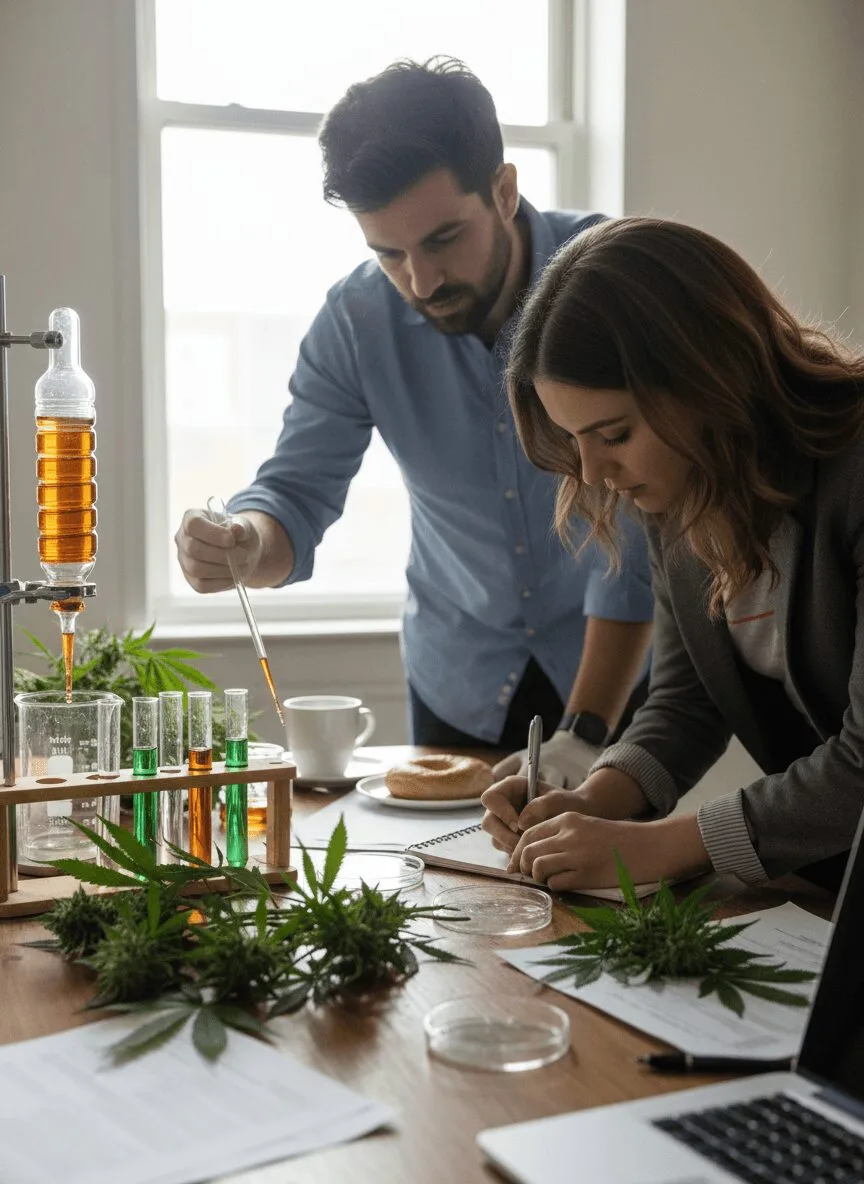
The world of cannabis never sits still, but lately, synthetic cannabis testing has become a red-hot topic. As new, lab-made cannabinoids trickle (sometimes flood) into the market, regulators and prosecutors are scrambling to keep up. Consumer safety, legal oversight, and industry reputation are all on the line. In this article, we’ll explore what’s driving the push for advanced synthetic cannabis testing, dig into how prosecutors are setting the pace, and consider what it all means for the future of cannabis culture and business.
Why Synthetic Cannabis Testing Really Matters: Industry, Law, and Society
Let’s face it, the cannabis industry has grown from secretive side streets to mainstream avenues. That growth, documented in reports from the Marijuana Business Daily, brings new market entrants, tech innovations, and unfortunately, new kinds of risks. The rise of synthetic cannabinoids like K2 and Spice, often far more potent and unpredictable than their natural relatives, freaks out lawmakers and health experts. These compounds, sometimes slipped into “legal high” products, challenge standard cannabis testing protocols. With the evolving legal landscape, especially in states pushing forward on cannabis reform such as recent developments in Virginia marijuana retail legalization, regulatory scrutiny increases significantly. The FDA and DEA regularly update their scheduling and advisories around these substances. Courts are watching closer than ever, since some of the new synthetics sneak past current laws entirely. Meanwhile, as legalization spreads, just look at the push in states like New York and Illinois, there’s real pressure on labs and prosecutors to develop tools that keep consumers safe and the illicit market in check. Reliable synthetic cannabis testing is now a cornerstone for both law enforcement and the licensed canna-biz world. Without it, no one really knows what’s actually in that vape cart or edible.
Key Developments: New Testing Methods, Legal Moves, and Industry Repercussions
Just this March, South Korea’s prosecutors made headlines by announcing a cutting-edge synthetic cannabis testing protocol now being rolled out nationwide. According to a Sedaily news report dated March 15, teams in the Seoul Central District Office developed a new method targeting previously undetectable synthetic cannabinoids. The system screens for dozens of designer analogs, some new enough to barely have street names. Authorities say this directly curbs the spread of intoxicants with high risks of adverse effects, especially among youth. As per Korea’s National Institute of Scientific Investigation, the new protocol uses advanced chromatography and mass spectrometry, allowing for much quicker prosecution and a more proactive seize-and-test policy at the border. High-profile cases, such as ongoing indictments in Warren County, reflect how U.S. states are watching these developments closely since similar compounds have shown up in American illicit markets. Prosecutors elsewhere, including authorities in Germany and the UK (source: UK government), have launched rapid-response testing frameworks of their own. Industry insiders note that this regulatory agility keeps illegal labs guessing, and serves as a template for international enforcement efforts. For practitioners and insiders, keeping up with the week’s most essential cannabis and psilocybin news is now more crucial than ever.
Expert Analysis: What This Means for Cannabis, Consumers, and the Law
The real game-changer here comes down to confidence. As synthetic cannabis testing tech improves, legal markets can root out bad actors without the heavy-handed crackdown that’s marred past prohibition eras. Cannabis industry analyst James Calder, in a report for Cannabis Business Times, says: “Advanced synthetic cannabis testing helps separate the regulated from the reckless. Consumers and business owners both win when labs set high standards and the government gets specific.” This reflects a wider trend toward rigorous lab work in every corner of the industry, even if it means extra investment up front. For communities grappling with complex crime and safety dynamics, local stories such as the intersection of prosecution and cannabis issues in Alachua County highlight the regulatory and social stakes. Don’t forget, the illicit market thrives when buyers feel uncertain about what’s actually in their stash. With new detection protocols, even clever chemists have a harder time sneaking unknown or dangerous synthetics into consumer products. That’s crucial for brands who play by the rules and want to grow loyal customer bases. Beyond safety, prosecutorial clarity also keeps minor possession charges from ballooning into felony-level accusations—now, exact ingredients can be properly identified, so innocent CBD or hemp products don’t get lumped in with synthetic drugs. This is an overdue upgrade, and it shows regulators are learning from both the medical marijuana playbook and the pitfalls of knee-jerk drug bans that hurt patients and consumers alike.
Looking Forward: Smarter Testing, Safer Consumers, Stronger Industry
It’s easy to be skeptical—after all, drug laws have a rocky history. But this time feels different. Synthetic cannabis testing is no longer just a side note; it’s the main event for anyone serious about the future of cannabis. As jurisdictions refine their protocols, consumers get safer products and honest businesses gain ground against fly-by-night outfits. According to Leafly, increased transparency and tech-forward testing have already elevated consumer trust and industry legitimacy in legal states. With so many eyes on this issue, we can expect even better tools, clearer regulations, and—if we all play it right—a continued march toward a smarter, safer, and fairer cannabis community worldwide.
Originally reported by: en.sedaily.com