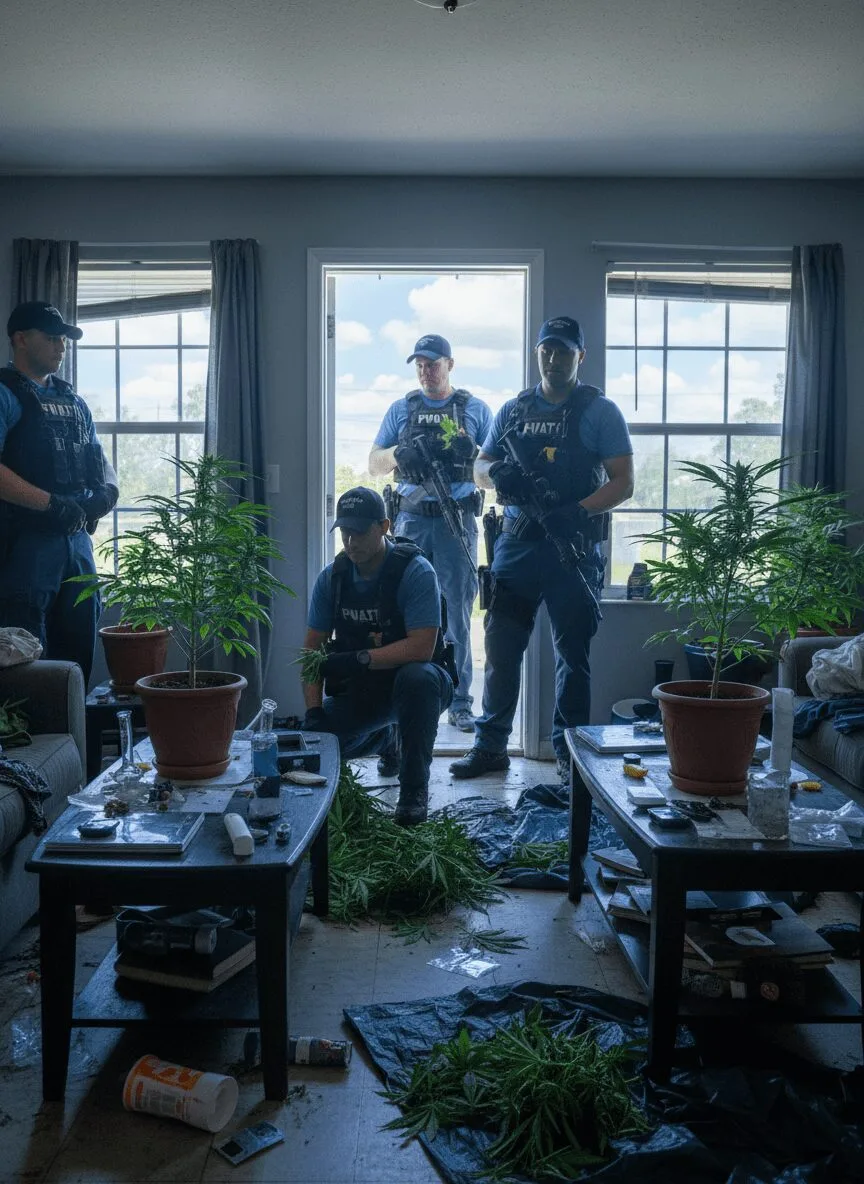
SWAT fentanyl trap house bust: Florida raid reveals deadly stash
Let’s be real: the cannabis industry’s reputation is constantly challenged by headline-grabbing events. The recent SWAT fentanyl trap house bust in Florida is a glaring example, bringing together drug enforcement urgency and the ongoing nationwide debate over safe access. With millions watching, this case presses industry insiders, consumers, and regulators to rethink lines between illicit narcotics and legal cannabis. This article breaks down the raid, social context, and where cannabis stands amidst sweeping policy changes and increased law enforcement scrutiny.
Understanding the Regulatory and Social Backdrop
In recent years, the line between legal cannabis and dangerous narcotics has become ever more complex, especially in states with rapidly evolving regulations. NORML reports that Florida’s medical marijuana program operates alongside ongoing crackdowns on unlicensed activity. However, the opioid crisis, often driven by synthetic drugs like fentanyl, has forced police and lawmakers to intensify their vigilance. The state legislature continually tightens oversight, blurring the average person’s perception between legal marijuana and high-risk substances. Public misinformation, as shown in Pew Research findings, reaches new heights—with over 90% of Americans supporting medical cannabis but remaining wary due to rumors about unregulated markets. Innovative cultivation trends have added further dimension, as seen in the emergence of disruptive under-canopy cannabis lighting that’s shaping compliance and growth nationwide. Add in sharp media coverage, and you’ve got wild confusion over what’s safe, what’s legal, and what’s out of bounds. It’s in this high-pressure climate that landmark cases like the SWAT fentanyl trap house bust become headline news.
Key Developments: What Really Happened in the Florida Trap House Bust
The SWAT fentanyl trap house bust in West Palm Beach went down like a scene pulled from gritty television. According to CBS12 News, law enforcement raided a modest home following a months-long investigation into major drug trafficking operations. SWAT officers uncovered over 100,000 potentially lethal doses of fentanyl, alongside cocaine, MDMA, firearms, large amounts of cash, luxury watches, and—critically—several pounds of marijuana. This blending of deadly opioids and marijuana made street-level law enforcement both complicated and controversial. For example, some states highlight similar complexities, such as the consequences of failed drug bans in Indiana as detailed in the aftermath of the Indiana hemp drug ban’s failure. Ultimately, authorities seized the contraband, apprehended suspects, and sent a strong warning to traffickers—yet the mingling of cannabis in the seizure fueled heated debates among both opponents and supporters.
Expert Analysis and Balancing the Cannabis Narrative
Let’s clarify the conversation—cannabis and fentanyl belong to entirely separate risk categories. When enforcement and reportage link the two, it often hinders rational policy and public understanding. As MJBizDaily analyst Eric Schwartzman observes, “Combining THC-rich cannabis with high-risk narcotics in enforcement reporting only distorts public health priorities and slows progress on rational regulation.” The SWAT fentanyl trap house bust brings intense scrutiny on enforcement intensity, but the case illustrates the particular dangers of opioids rather than regulated cannabis. Reporting cannabis seizures alongside opioids can give rise to confusion or reinforce outdated stigma, obscuring the clear differences in health impact and regulation. Advocates and industry figures are working to educate both lawmakers and the public using models from states like Colorado, with broader oversight and reduced black market risk. In community settings, the intersection of gambling, cannabis, and small town dynamics—which you can see discussed in how cannabis and gambling impact daily life in small-town Missouri—highlights the wider societal context that shapes these narratives. The real focus remains on smart regulation to protect consumers and prevent dangerous drug activity, not confusing or criminalizing regulated cannabis.
The Path Ahead: Industry Optimism After the SWAT Fentanyl Trap House Bust
While the Florida raid may stoke fresh debate, let’s not let fear drive policy. The SWAT fentanyl trap house bust should remind us more than ever to differentiate between legitimate cannabis industry players and groups trafficking high-risk substances. Industry standards and transparent regulation are moving in a positive direction, according to Leafly. With strong advocacy, public education, and clearer legal pathways, cannabis is carving out its rightful place apart from the opioid crisis. The future is bright for responsible cannabis progress—so long as we all tune out the noise, focus on the facts, and keep pushing for reform that protects both public health and consumer freedom.
Originally reported by: cbs12.com