




Sussex County marijuana zoning: Retail rules may change
If you’ve been following the rapid growth of legal cannabis across Delaware, you know things are heating up in local municipalities. The debate around Sussex County marijuana zoning is center-stage right now, as the county rethinks its approach to cannabis retail locations. With adult-use legalization moving forward statewide, local governments are wrestling with how, where, and what kind of cannabis shops should open. For people on both sides of the issue, these decisions could shape the vibe—and accessibility—of legal cannabis for years to come. Let’s roll up the big developments, key conflicts, and what these changes could mean for Sussex County’s budding industry.
Understanding Sussex County Marijuana Zoning: Legal and Social Context
To really get the scoop on Sussex County marijuana zoning, you have to zoom out to see Delaware’s legalization landscape. In 2023, Delaware became the latest state to legalize recreational cannabis, as lawmakers overturned a gubernatorial veto to green-light adult-use sales. The law put much of the zoning power in the hands of local counties, like Sussex, so the rules aren’t one-size-fits-all. Zoning isn’t just legal stuff, it’s also about balancing economic growth (hello, new jobs and tax revenue!) with community concerns (think school proximity, neighborhood aesthetics). According to the U.S. News & World Report Delaware profile, Sussex County is known for its blend of small-town charm and rapid growth, attracting both retirees and young families. These shifting demographics echo trends seen as new cannabis products enter the market, and the way different age groups respond brings to mind the ongoing discussion about how cannabis can impact cognitive performance in older adults and the real-life effects. Those demographics add extra spice to the zoning debate, since stakeholders hold different views on what responsible dispensary siting looks like. There’s also the reality that a patchwork of zoning restrictions, if done wrong, can bottleneck the whole supply chain, slowing the launch of new shops, hurting patient access, and limiting economic opportunities.
Sussex County Marijuana Zoning in the Headlines: What’s Happening Now?
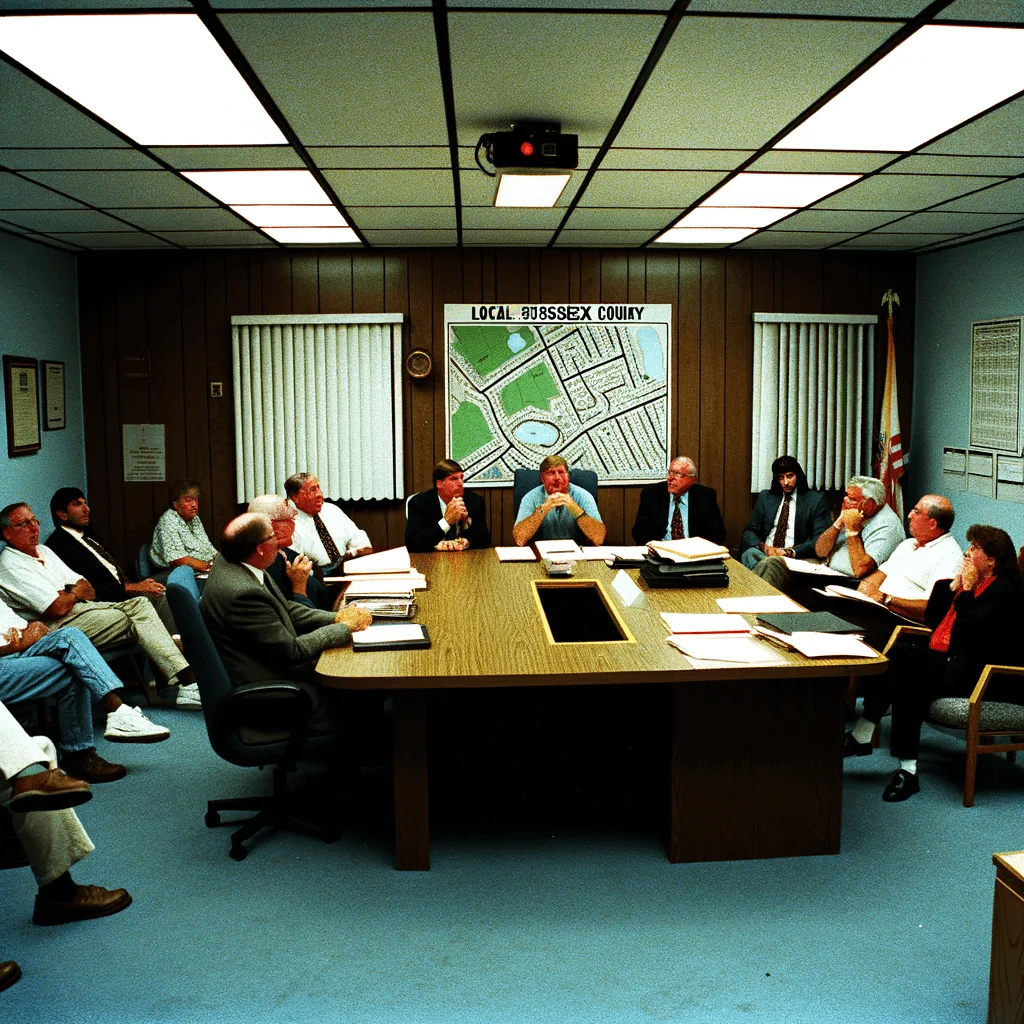
Here’s the lowdown, in early June 2024, Sussex County officials signaled they may overhaul the existing zoning rules for retail marijuana businesses, responding to pressure from both pro-cannabis advocates and local residents. As reported by WBOC News, the county’s current rules place strict limits on where cannabis dispensaries can set up shop, for example, requiring significant distances from schools, churches, and some residential areas. At recent public meetings, county staff laid out proposed amendments that could loosen, but also clarify, those regulations. Officials discussed tweaking buffer zones and considering more business-friendly locations like certain commercial corridors. These city council debates mirror similar business and legal shifts happening in New York, especially as regions across the country, such as in New York’s evolving cannabis scene, prepare for the expansion of retail marijuana. Residents packed the room, voicing opinions both for and against any changes. One local business coalition argued that over-restrictive zoning shuts out smaller, independent entrepreneurs, while some citizens expressed concerns about youth exposure and increased traffic. The county council is expected to vote on the proposed amendments by mid-summer 2024, setting the stage for how, and when, the first retail shops could open their doors.
Expert Analysis and Industry Insights on Sussex County Marijuana Zoning
Cannabis zoning, believe it or not, is as much an art as a science. You want access and fairness, but also to avoid Overgrow 2.0 nightmares next to schools, right? From an industry perspective, the way Sussex County handles marijuana zoning is pivotal. “Local zoning can make or break grassroots cannabis entrepreneurs,” notes MJBizDaily columnist and cannabis policy expert John Schroyer. “It’s about striking a balance so innovation and small business don’t get stomped out by excessive red tape.” Many industry analysts refer to data from NORML, showing that states with more flexible local zoning have more diverse and resilient dispensary ecosystems, which translates to more mom-and-pop shops and fewer monopolies. Similar battles over legal definitions and industry protections have played out in other regions, highlighting how cannabis trademark laws are shaking up federal court rulings and creating waves for local businesses. Flexibility also boosts consumer access and helps normalize (yep, we’re going there) cannabis in the mainstream marketplace. Still, zoning is a delicate dance, lean too relaxed, and you risk community backlash; clamp down too hard, and all you do is help the legacy market thrive—because people will still find ways to buy weed. One WBOC meeting attendee, representing a state-licensed cannabis grower, put it bluntly: “If Sussex County wants a safe, transparent industry, fair zoning is essential. Otherwise, the black market wins. Simple as that.”
Looking Forward: Sussex County Marijuana Zoning and the Road Ahead
So what’s next for Sussex County marijuana zoning—and what does it mean for Delaware’s cannabis evolution? The upcoming council vote is likely just round one, as new ordinances get tested and tweaked in real life. Industry veterans are watching closely, since the county’s approach could set the tone for the rest of the First State. According to Cannabis & Tech Today, flexible, well-crafted local rules help legal markets succeed and keep illicit sales in check. There’s real optimism among advocates and entrepreneurs that Sussex County can get it right—paving the way for more inclusive, accessible cannabis retail. If the process stays transparent and community-focused, Sussex County marijuana zoning could become a future-looking model for other small-town markets nationwide. There’s never been a more exciting—and critical—time for people who care about policy, equity, and the future of legal weed. Here’s to the growth ahead!
Originally reported by: wboc.com


