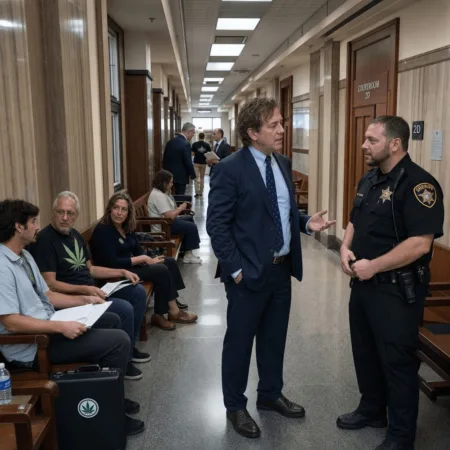
Supreme Court marijuana issue: What You Need to Know Now
Big waves are crashing through the world of cannabis. The Supreme Court marijuana issue is back in the spotlight, stirring up legal debates and shifting the ground under everyone from Wall Street to local dispensaries. Major legal battles, policy twists, and cultural shifts all intersect here, making this moment critical for industry insiders, consumers, and advocates alike. We’ll break down what’s fueling this urgency, how high-level decisions affect real lives, and why the Supreme Court marijuana issue could redefine the future of American cannabis. Buckle up—change is coming fast.
The Landscape: Cannabis, Law, and Social Friction
The Supreme Court marijuana issue didn’t spring up overnight. Its roots run deep in America’s tangled regulatory scene. Despite overwhelming support for legalization (Pew Research, 2023), federal law still classifies marijuana as a Schedule I substance. This contradiction creates a clash between federal oversight and state-by-state legalization, with 33 states and the District of Columbia allowing medical or recreational use, yet cannabis businesses remain boxed out of traditional banking and interstate commerce (NORML).
This patchwork approach breeds challenges. Patients, cultivators, retailers, and investors all work within a legal gray area. Law enforcement and prosecutors sometimes wield federal power even where state reforms are robust. As the DEA and FDA navigate rescheduling recommendations and medical guidelines, confusion reigns for both the marketplace and personal freedoms. The Supreme Court marijuana issue sits at the epicenter of this historic showdown. Meanwhile, recent changes such as the Texas hemp THC rule change continue to affect local shops, further complicating the national picture.
Pivotal Moves: The Supreme Court Marijuana Issue Hits Center Stage
March 2026 brought the Supreme Court marijuana issue front and center once again. In a high-profile challenge, litigants asked the Court to directly address whether decades-old federal restrictions trump progressive state reforms, an explosive legal question hanging over the $30B cannabis industry (Marijuana Moment).
At the heart of the case is a coalition of patients, business owners, and civil liberties groups. They’ve argued that federal Schedule I status unjustly criminalizes conduct that state laws expressly permit. This coalition cites how proud families, medical patients, and even veterans relying on cannabis as medicine are left in legal limbo, a point echoed by state attorneys general from California, Illinois, and New York who filed amicus briefs.
A recent case in question hinges on a business facing federal charges despite strict local compliance (Press Democrat, March 14, 2026). The justices have been asked to decide if Congress must resolve this policy contradiction or if the judiciary should step in. The Supreme Court marijuana issue has never been so urgent or consequential. Tensions are also apparent in situations where odor or other signs of marijuana lead to escalated police encounters, as captured in reports highlighting police chases initiated by marijuana odor and the resulting legal haze.
Meanwhile, federal agencies are reviewing cannabis’s scheduling status, with the HHS recommending a softer classification and the DEA considering the move. The outcome could ripple across employment law, state markets, and criminal justice reform.
Expert Analysis: Real Impacts, Big Debates, Brighter Paths
When it comes to the Supreme Court marijuana issue, the stakes couldn’t be higher. From economic reformers to medical users, thousands are closely watching. Leading cannabis experts stress that these legal uncertainties freeze investment, harm small business, and undermine public health advancements. As Leafly’s Legal Editor explains: “With courts flip-flopping and agencies slow-walking reform, cannabis stakeholders are caught in the crossfire. Only real, top-level policy clarity will unlock our industry’s potential.”
But there’s optimism too. A growing body of peer-reviewed research now supports cannabis for managing chronic pain, PTSD, and other conditions (JAMA), while public opinion keeps swinging in favor of broader legalization. The Supreme Court marijuana issue may finally force a legal reckoning, one way or another. Industry leaders, including the CEOs of Cresco Labs and Curaleaf, call for “safe harbor” guidance to protect compliant operators from federal overreach (Forbes).
Most advocates agree, a patchwork of state laws can’t last forever. Clear direction from the highest court could unlock billions in economic activity, level the playing field, and, most importantly, restore justice for those harmed in the drug war’s wake. For those concerned about individual health, it is critical to be aware of marijuana health risks every patient should know, underscoring the complexity of legalization debates. “Rescheduling or descheduling cannabis isn’t just a business move; it’s a human rights issue,” said NORML’s Deputy Director Paul Armentano (NORML News).
What’s Next? Hope, Change, and the Road Ahead
No matter where the gavel falls, one thing’s clear: the Supreme Court marijuana issue marks a tipping point. Public support is more powerful than ever. State markets are thriving. The possibility of cannabis’s full legalization or significant reform has never looked brighter. As regulators in places like Illinois and California demonstrate, change is possible and already underway.
While we wait for the Supreme Court’s word, industry heavyweights, medical professionals, and ordinary citizens have joined together, demanding evidence-based, commonsense reforms. Their efforts continue to shift minds from Congress to the local coffee shop. According to MJBiz Daily, legal sales surpassed $30 billion last year—a testament to both market demand and responsible stewardship.
The Supreme Court marijuana issue could finally snap the stalemate, opening up new economic opportunity, research breakthroughs, and healing for countless communities. Here’s to a future where policy, business, and common sense walk the same path—toward justice, equity, and, maybe one day, nationwide legalization.
Originally reported by: pressdemocrat.com