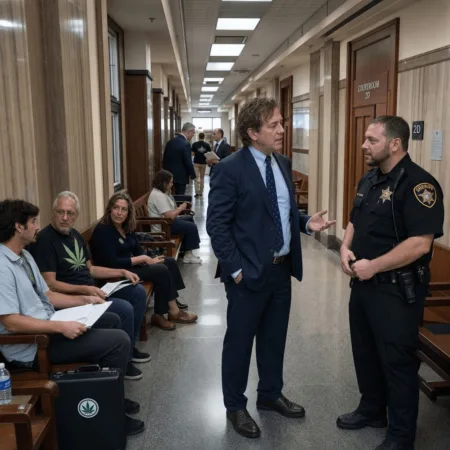
Support for Legalizing Psychedelics: The New Marijuana Debate
Support for legalizing psychedelics is more than just a buzzword catching headlines—it’s quickly shaping up to be the next big debate following marijuana reform. In recent months, we’ve witnessed a surge of fresh polls, passionate town hall debates, and bold legislative moves. Americans’ shifting attitudes are unmistakable, and the parallels to the early days of cannabis legalization couldn’t be clearer. As state lawmakers, advocacy groups, and everyday folks consider new reforms, it’s crucial to understand why support for legalizing psychedelics is gaining momentum from coast to coast. This breakdown covers fresh polling data, legal trends, and what this means for the future of social acceptance.
Understanding the Background: Social, Legal, and Regulatory Factors
Cannabis advocates have watched a decades-long tide turn, but now support for legalizing psychedelics is riding a similar current. Decades after cannabis was vilified, people in California and Oregon have led pioneering decriminalization efforts not just for weed, but for entheogens like psilocybin and ayahuasca. The CDC notes that public health priorities now include rethinking how we classify and control these substances. While the Controlled Substances Act still classifies most psychedelics alongside dangerous narcotics, recent court decisions and policy changes hint at green shoots of reform. Cities like Denver and Oakland have already decriminalized specific psychedelics, and states such as Oregon are rolling out licensed psilocybin therapy programs, signaling a major shift. Culturally, powerful documentaries, testimony from veterans, and major industry reports highlight how the conversation has moved far beyond Woodstock stereotypes. Today’s focus? Responsible adult use, mental health potential, and equity in access, all highlighting that public support for legalizing psychedelics is reaching new highs as communities reconsider old approaches.
Key Developments & Issues: From Polls to Policies
Support for legalizing psychedelics just hit a new high, at about the same place marijuana reform stood in the ’90s according to a recent national poll cited by Marijuana Moment. This poll highlights that nearly 30% of Americans are already in favor of full legalization, while over 60% support medical or therapeutic use. Major advocacy organizations like the Multidisciplinary Association for Psychedelic Studies (MAPS) and key legislators are pushing for research exemptions, compassionate use laws, and local decriminalization efforts. Oregon’s Measure 109 set a landmark precedent in 2020, legalizing regulated psilocybin services and prompting state agencies to create a regulatory framework. Meanwhile, Colorado, Michigan, and California have seen a flurry of bills, petitions, and city council votes aiming to decriminalize or legalize psilocybin, MDMA, and more. Veterans and mental health professionals have become the new face of the movement, demanding access for PTSD and depression. Lawmakers from both sides of the aisle are taking note, citing emerging clinical research and constituent demand as driving forces behind legislative softening. Growing support for medical cannabis can be seen in public debates, such as those leading to open discussions breaking taboos in local communities.
Expert Analysis, Insights, and a Pro-Cannabis Perspective
What does this mean for the cannabis industry and beyond? Support for legalizing psychedelics may feel like déjà vu to those tracking legislative change. As legal cannabis expands, now a $25+ billion industry, according to Benzinga, psychedelics could follow a similar trajectory, offering new medical, therapeutic, and commercial opportunities. Social attitudes are thawing, with prominent psychiatrists and addiction specialists pointing to robust clinical outcomes. Dr. Ethan Russo, a respected neurologist and cannabis research pioneer, says, “The momentum behind psychedelic reform mirrors what we saw twenty years ago with cannabis, stigma fading, research growing, and public opinion shifting fast.” (Leafly). At industry expos and advocacy panels, experts argue that early, responsible regulation is key to preventing the missteps of prohibition. Conversations emphasize racial justice, safe access, and strong oversight. The bottom line, the cannabis world is watching and informing the next wave of reforms. Furthermore, industry reports indicate these changes may redefine future markets, as seen in recent analyses of cannabis industry trends. Insiders argue that greater support for legalizing psychedelics can help broaden the conversation around plant medicine, ending a century-long legacy of criminalization that’s disrupted millions of lives.
The Road Ahead: Looking Forward with Optimism
As support for legalizing psychedelics keeps building, the cannabis industry offers a blueprint for measured, responsible progress. State reforms continue to boost tax revenues, spur small business growth, and drive discussions about social justice. With research, advocacy, and honest community dialogue leading the way, it seems the U.S. is primed for another groundbreaking shift. Change might not come overnight, but momentum is clear. According to NORML, the pace of drug policy reform is the fastest it’s been in decades. As public support, legislative wins, and clinical research keep stacking up, advocates everywhere have good reason to feel hopeful for a future where psychedelics and cannabis can both play legitimate, beneficial roles in society.
Originally reported by: marijuanamoment.net