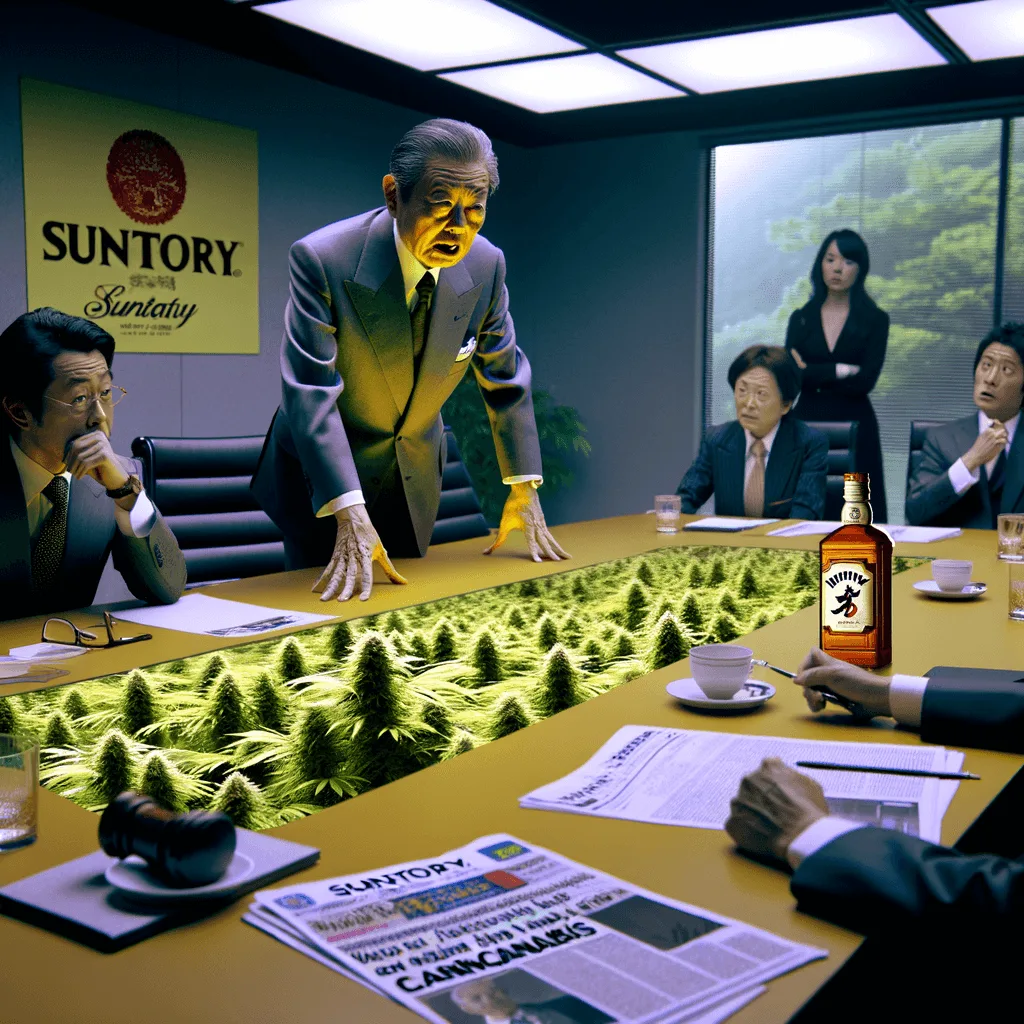
Suntory CEO Resignation Cannabis: Shocking New Scandal
So here we are—another major industry player caught up in a wave of cannabis controversy. The Suntory CEO resignation cannabis story has heads spinning from Tokyo to Toronto. From the latest regulatory crackdowns to shifting public perception, these headline moments are changing global conversations around leadership, accountability, and—yeah—how cannabis is really treated in the boardroom. This scandal isn’t just corporate gossip—it’s a lens on broader debates touching finance, wellness, and society at large. Stay tuned as we dig deep into the Suntory CEO resignation cannabis drama, unpacking what it means for business and the ever-evolving cannabis culture.
The Regulatory and Social Landscape: Cannabis, Corporations, and Culture Clashes
Let’s get real. Cannabis has always been a complicated topic in both business and law, especially in conservative markets like Japan, where Suntory calls home. Despite shifting global tides, Japan’s drug laws remain among the world’s strictest (Nippon.com reports). Even the purchase of supplements containing cannabis derivatives, CBD or otherwise, can spark a legal frenzy. The Japanese Cannabis Control Law strictly prohibits not only recreational cannabis but also non-prescribed possession of certain wellness supplements. Culturally, there’s little tolerance for high-profile figures entangled in cannabis-related investigations. In contrast, American students may pay closer attention to recent critical changes in Alabama hemp THC law which reflect shifting attitudes and evolving regulations. For companies listed on the Tokyo Stock Exchange, a scandal has regulatory repercussions and shakes investor trust in ways Western audiences might underestimate. Then factor in Japan’s rising wellness market (Statista overview), where consumer demand is colliding with strict drug enforcement. The Suntory CEO resignation cannabis story is a testament to this clash of tradition and modernity.
Key Developments: What Went Down with Suntory’s CEO and Cannabis Drama
According to Reuters, this story kicked off when police launched an investigation on September 2, 2025. Suntory, an iconic beverage conglomerate, publicly confirmed that its top exec, Tak Niinami, stepped down after authorities initiated a probe concerning his purchase of a supplement containing cannabis derivatives. In the U.S., similar enforcement controversies, such as Texas bans shaking up THC vape shops, have demonstrated how swiftly laws and corporate response can influence entire markets. Specifically, authorities were probing whether the supplement breached domestic cannabis and supplement laws, bringing both company and individual into the hot seat. Suntory made Niinami’s resignation effective immediately, stating regulatory compliance and consumer trust as the top priorities amid law enforcement’s ongoing investigation. The event has sent ripples not only through Suntory’s share price but also across Japan’s corporate sector, which rarely sees its chief executives embroiled in cannabis-related controversy. This Suntory CEO resignation cannabis episode immediately became headline news, sparking debates about transparency, wellness product regulation, and corporate ethics within Japan’s fiercely competitive beverage and wellness markets. Finance media and industry analysts, including updates from Nikkei Asia, highlighted the rare nature of CEO-level resignations tied to the purchase of non-psychoactive cannabis supplements.
Breaking It Down: Industry Insights, Analysis and Pro-Cannabis Counterpoints
This Suntory CEO resignation cannabis episode dives right into the friction between evolving global norms and Japan’s rigid legal stance. While compliance remains critical, the reality is that the world is moving forward. The World Health Organization has repeatedly emphasized the safety of non-psychoactive cannabis-derived wellness supplements (World Health Organization). Meanwhile, global experts are calling for nuanced regulations: “It’s essential that legislative frameworks catch up with medical and wellness science. Not every supplement deserves to be categorized under hardline cannabis laws,” points out Dr. Ethan Russo, neurologist and cannabis researcher, as cited by Project CBD. In the U.S., the hemp-derived CBD market has exploded, and legal approaches have shifted accordingly (Forbes Industry Review). Debates about the regulation of cannabis often include the safety of children potentially exposed to THC products, highlighting the real-world impacts on cannabis culture and modern family life. Japan, though, is lagging in regulatory reform, so when a high-profile exec gets caught up in outdated statutes, it shows how global business strategy now collides with rapid market evolution. We need debate anchored in science, not just stigma. Most importantly, companies and leaders shouldn’t be prematurely condemned while legal and scientific lines are still being drawn.
Future Outlook: Cannabis Culture, Corporate Response, and A Path Forward
The Suntory CEO resignation cannabis story isn’t the end—it’s a call for smarter dialogue and regulatory progress. Japan isn’t immune to global cannabis market expansion; consumer interest is real, and so are the wellness benefits acknowledged by top researchers (JAMA Medical Journal). Companies can leverage this as a case to push for evidence-based modernization, aligning policy with contemporary wellness trends. In a market that increasingly values health transparency, corporations like Suntory must adapt to change—not resist it. Looking forward, expect continued advocacy for sensible reform, more open conversations, and eventually, a regulatory environment that catches up with both consumer demand and scientific insight. If there’s one thing this Suntory CEO resignation cannabis episode demonstrates, it’s that society’s views—and the laws that shape them—are changing, with or without corporate scandals.
Originally reported by: reuters.com